Saudi education authorities have allowed the sale of coffee and tea only in secondary schools. These popular drinks remain banned in kindergartens, primary, and middle schools.
This policy is part of the Education Ministry‘s updated guidelines on health requirements for school canteens. These changes took effect with the start of the current academic year, which began last month.
New Serving and Sugar Restrictions
The ministry specified that the size of hot drink cups must not exceed 240 ml. Additionally, sugar in hot drinks should not surpass two teaspoons, and this limit applies only when sugar is requested.
Extensive List of Banned Foods
The new regulations ban several unhealthy products from school canteens. These include sugary drinks, energy drinks, fizzy drinks, and flavored vitamins. They also prohibit sports drinks, cold tea, and juices with less than 30% fruit content or containing coloring materials.
The rules also ban ice cream, mortadella, chocolate-covered biscuits, peanuts, flavored milk, croissants, and chips. Additionally, they no longer allow evaporated and condensed milk, milk with artificial flavors or colors, and flavored yogurt.
Strict Nutritional Standards for Packaged Foods
Packaged food available in schools must adhere to strict nutritional guidelines. Fats, sugars, added sugar, and salt must account for less than 20% of the recommended daily intake per serving.
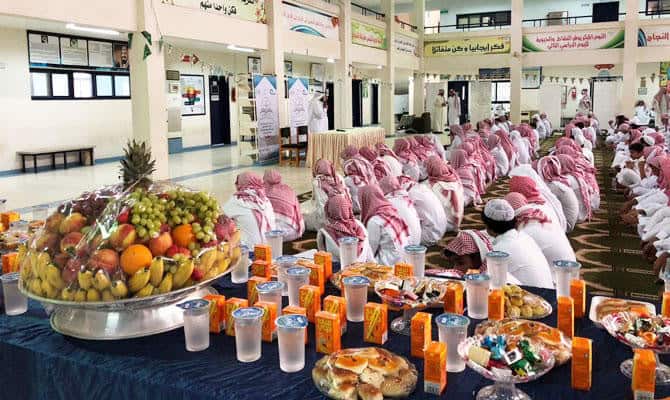
The ministry aims to create a safe and healthy school environment by promoting balanced nutrition. These measures seek to raise awareness about the importance of healthy eating and ensure that students have access to nutritious options in school canteens.