Responsible Tech: Riyadh Shapes AI Governance Future at UNESCO Ethics Summit
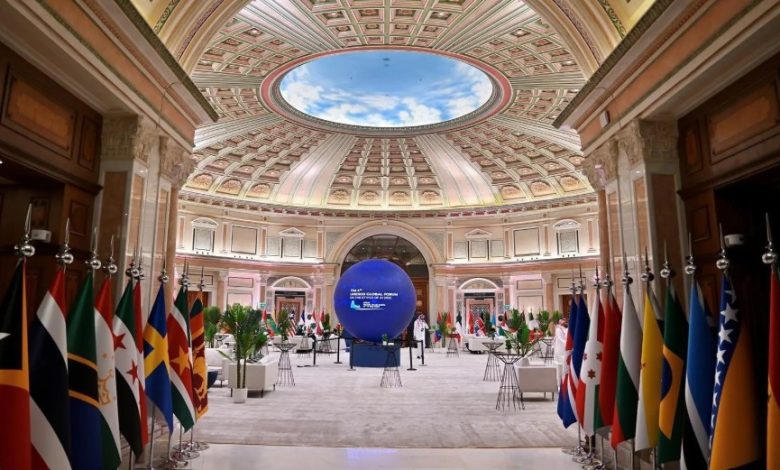
As artificial intelligence (AI) capabilities accelerate, the need for a governance framework grows to keep the technological advancement anchored in human rights, transparency, and accountability. To this end, Riyadh is hosting the fourth UNESCO Global Forum on the Ethics of AI (GFEAI 2026).
Bringing together world leaders, ministers, tech executives, and UN officials, the summit positions Saudi Arabia as a global hub for ethical AI research and policy.
Riyadh Redefines AI Governance
Driving the News: Riyadh is hosting the fourth edition of GFEAI 2026 from September 14-17, welcoming ministers, decision-makers, experts, academics, representatives of international organizations, and public- and private-sector officials affiliated with technology and AI sectors.
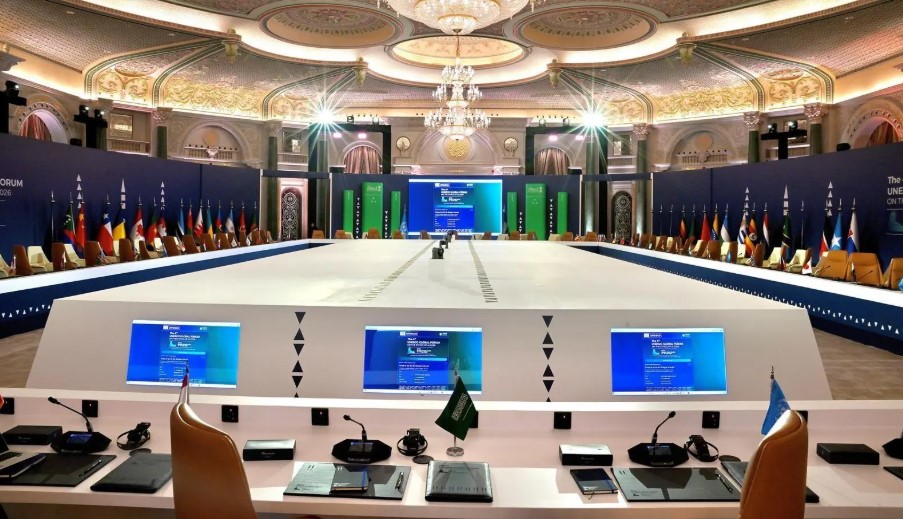
The Big Picture: The forum is co-hosted by the Saudi Data and AI Authority (SDAIA) and UNESCO, in collaboration with International Center for AI Research and Ethics (ICAIRE) and the Saudi National Commission for Education, Culture and Science, signaling a major push for global AI diplomacy.
By the Numbers:
- 4 days
- 100+ speakers
- 8000 participants
- 50 countries
- 30 sessions and specialized workshops
UNESCO Ethics Framework: 5 Years in Action
Zoom In: The forum marks five years since the 2021 adoption of the “Recommendation on the Ethics of Artificial Intelligence” – UNESCO’s first-ever global standard on AI ethics. Applicable to all 194 member states of UNESCO, the implementation of this framework began in 2022, with the launch of the first Global Forum on the Ethics of AI.

The Impact: The resulting Ethical Impact Assessment (EIA) framework seek to align AI systems with the Recommendation on the Ethics of AI, designing measures aimed at reducing potential risks and unintended consequences of deploying AI.
GFEAI 2026: Agenda & Key Objectives
State of Play: GFEAI 2026 focuses on addressing related to AI ethics and governance amid rapid technological advances. It aims to foster global dialogue on responsible AI governance, enhance the exchange of expertise and best practices, and explore avenues for harnessing AI technologies to support sustainable development and promote societal prosperity.
Key Topics:
- AI ethics and governance
- Capacity building
- Responsible innovation
- International policies
Why It Matters: Amid AI’s rapid advancement, multiple risks and complex ethical challenges emerge, including autonomous agents, deepfakes, copyright, and automated decision-making. This necessitates adopting strategies to preserve data privacy and ensure the responsible and safe utilization of these technologies.
Framing AI Policies
The Context: At GFEAI 2026 in Riyadh, UNESCO will launch 3 products to strengthen its support for Member States in building ethical and inclusive AI policies and laws.
- Upgraded Readiness Assessment Methodology (RAM 2.0): Refined to better incorporate feedback from marginalized and underrepresented groups, including women, people with disabilities, and indigenous populations.
- RAM Data Analysis: A comprehensive overview of RAM’s findings, highlighting emerging global trends in AI governance.
- Environmental AI Toolkit: A strategic resource helping policymakers curb AI energy demands while deploying technology for environmental conservation and climate resilience.
Vision 2030 & AI Infrastructure
Between the Lines: The fourth edition of GFEAI coincides with Saudi Arabia’s designation of 2026 as the Year of Artificial Intelligence, further cementing the Kingdom’s leadership in digital transformation and advancing its Vision 2030 goal of becoming an active player in shaping the future of AI globally.

Go Deeper: Under Vision 2030, Saudi Arabia has solidified its status as a pioneering e-governance leader, transforming from a tech consumer into a super-connected digital economy. This global leadership is underpinned by the Kingdom’s rapid digital transformation, reflected in its rising international performance metrics.
Saudi Arabia’s Global Rankings:
- E-Government Services: Saudi Arabia ranked 6thglobally, 1st regionally, in the UN E-Government Development Index (EGDI) 2024.
- IMD Competitiveness:The Kingdom ranked 13th globally and 3rd among G20 economies in the IMD World Competitiveness Yearbook 2026.
- Digital Maturity: Saudi Arabia ranked 1st regionally for the fourth consecutive time in the 2025 Government Electronic and Mobile Services Maturity Index (GEMS) and ranked 2nd globally in the World Bank’s 2025 GovTech Maturity Index (GTMI).
The Catalyst: The Riyadh-based ICAIRE is designated as an official UNESCO Category 2 Centre, acting as a global hub for advancing ethical AI research, policy coordination, capacity building, and awareness.
The Bottom Line: Hosting the UNESCO Global Forum on AI Ethics is strong evidence that Saudi Arabia’s rapid digital expansion is backed by world-class governance, solidifying Riyadh’s status as a global anchor where cutting-edge AI innovation meets responsible, human-centric ethics.