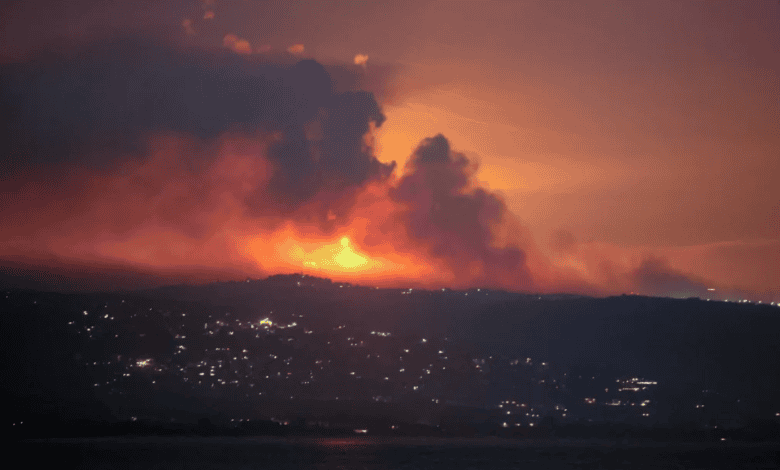
Israel carried out a wave of airstrikes in southern Lebanon early Sunday in what it described as “pre-emptive strikes” ahead of a planned large-scale attack for Hezbollah.
Meanwhile, the Lebanese group responded by launching barrages of rockets and drones against northern Israel to retaliate for the killing of one of its top commanders last month, reported the Associated Press (AP).
The exchange of heavy fire is a significant escalation of the months-long cross-border conflict, threatening to spark an all-out war that could drag the US, Iran and militant groups in the region. Furthermore, it could undermine efforts to reach a ceasefire agreement in Gaza, where the war between Hamas and Israel has been raging for 10 months.
Major Escalation
The Israeli military said that Hezbollah was planning to strike Israel with a heavy barrage of rockets and missiles. According to CNN, the Israeli military said that 100 fighter jets “struck and destroyed thousands of Hezbollah rocket launcher barrels” at several launch sites across Lebanon on Sunday.
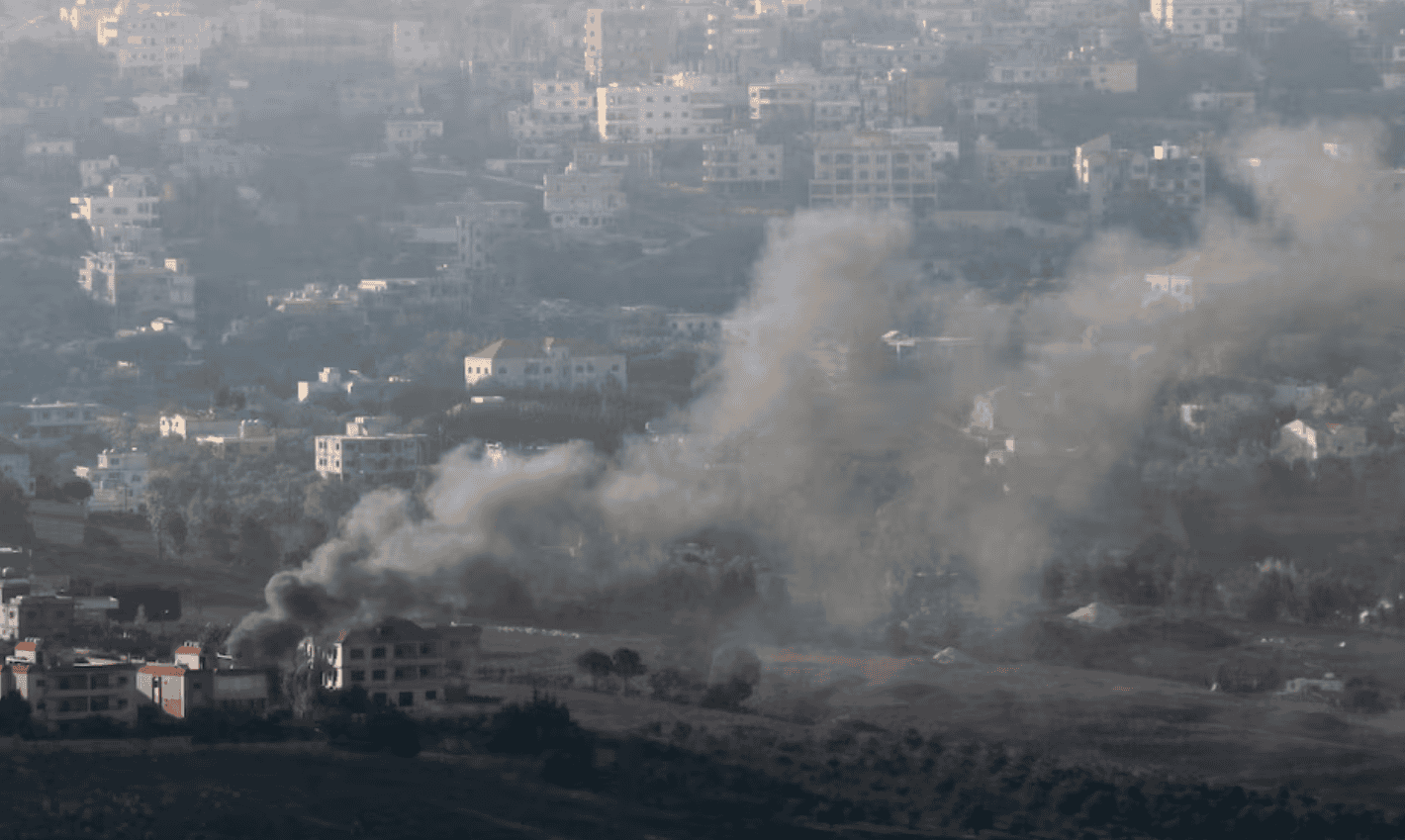
At the start of a cabinet meeting, the Israeli Prime Minister, Benjamin Netanyahu, said that the military had destroyed “thousands of rockets that were aimed at northern Israel” and urged citizens to comply with the Home Front Command’s directives.
Netanyahu said: “We are determined to do everything to defend our country, to return the residents of the north securely to their homes and to continue upholding a simple rule: Whoever harms us — we will harm them.”
Hezbollah Responds
Shortly after the Israeli airstrikes, Hezbollah said it had launched an attack on Israeli military positions as an initial response to the killing of its commander, Fouad Shukr, in an Israeli airstrike last month.
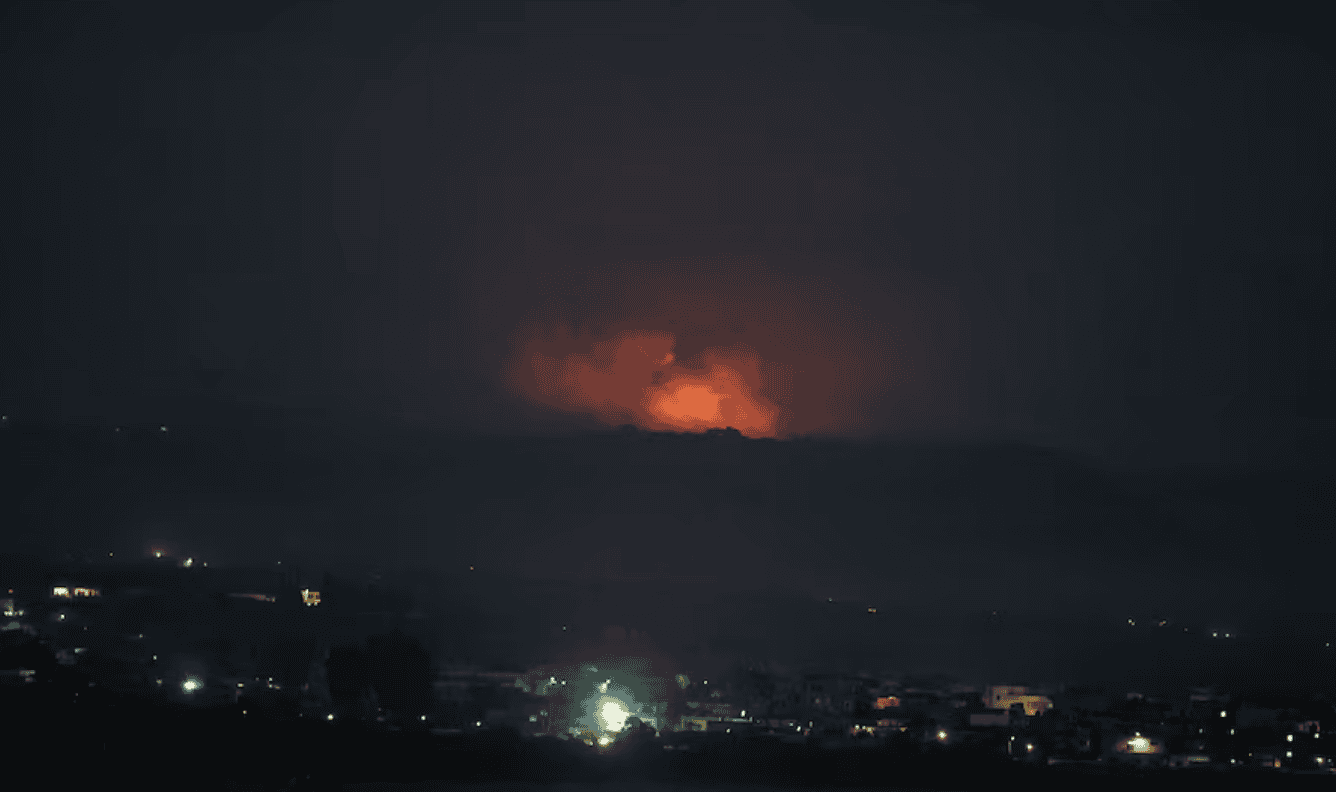
Warning sirens sounded in several areas across northern Israel, and the country closed its Ben-Gurion international airport and diverted flights for approximately an hour. Moreover, the Israeli Home Front Command raised the alert level in the north.

Hezbollah declared that its attack on Israel involved more than 320 Katyusha rockets targeted at multiple sites in Israel and a large number of drones. The Iranian-backed group said that the strikes targeted a “qualitative Israeli military target that will be announced later” in addition to “enemy sites and barracks and iron dome platforms.”
Later, Hezbollah announced that the “first phase” of its retaliatory strikes “has ended with complete success.” It said that all the launched drones hit their targets, listing 11 bases, barracks, and military positions in northern Israel and the occupied Golan Heights.
Minor Damage
The Lebanese group also dismissed Israel’s claim that its pre-emptive strikes had prevented a stronger Hezbollah attack. Meanwhile, Israeli military spokesperson, Lt. Col. Nadav Shoshani, downplayed the impact of Hezbollah’s strikes, saying that initial assessments found “very little damage” in Israel.
The exchange of heavy fire between Israel and Hezbollah appears to have ended by mid-morning, with both sides claiming they only aimed at military targets. The Israeli airstrikes killed at least three people in Lebanon, whereas there are no reports of causalities in Israel.
US Reaction
The White House said that the US President, Joe Biden, was closely monitoring events in Israel and Lebanon. The National Security Council spokesperson, Sean Savett, said: “At his direction, senior US officials have been communicating continuously with their Israeli counterparts.”
He reiterated the US support for Israel. “We will keep supporting Israel’s right to defend itself, and we will keep working for regional stability,” Savett added.
According to the Pentagon, the US Secretary of Defense, Lloyd Austin, spoke with his Israeli counterpart, Yoav Gallant, about Israel’s defenses against Hezbollah. A Pentagon statement said that Austin stressed the US “ironclad commitment to Israel’s defense against any attacks by Iran and its regional partners and proxies.”
The US chairman of the Joint Chiefs of Staff, General CQ Brown, is on a visit to the Middle East, with expectations that he will visit Israel, Egypt and Jordan.
US and European diplomatic efforts have been ongoing over the recent weeks to de-escalate the situation in an attempt to avoid the expansion of the conflict into a wider regional war.
Israel-Hezbollah Tensions
Hezbollah and Israel have been exchanging fire almost daily since the October 7 attack and the following Israeli war in Gaza. While both sides have been avoiding major escalation, the attack on the Israeli-occupied Golan Heights and the assassination of Shukr in Beirut seem to have shifted that precarious balance.
Furthermore, the latest strikes between Israel and Hezbollah came as Egypt hosts a new round of ceasefire talks to end the war in Gaza and reach a hostage deal. Hezbollah has said it will stop the fighting if there is a ceasefire in Gaza. Before the strikes, US officials expressed optimism about the talks, saying they were at “an advanced stage.”