Iran is reviewing a proposed agreement with the US to halt their ongoing war, Iranian media reported on Tuesday, as US President Donald Trump confirmed that negotiations remain active and suggested a deal could materialise within a week.
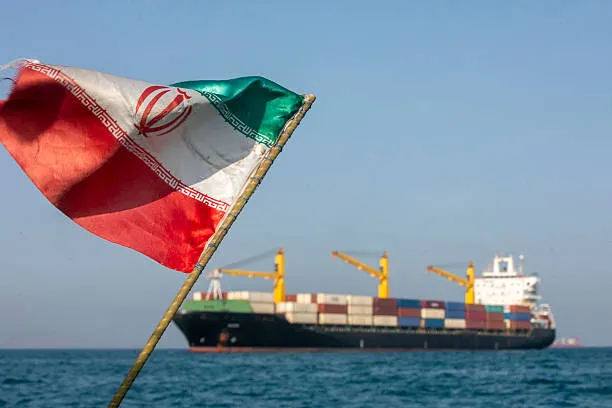
More than three months after the US and Israel launched strikes against Iran, the conflict has hardened into a stalemate. Meanwhile, Iran’s effective closure of the Strait of Hormuz, which previously carried roughly a fifth of global oil and liquefied natural gas supplies, continues to inflict economic pain worldwide.
Tehran has not yet responded to a proposed final text of a temporary agreement. Furthermore, it is approaching the talks with a “stern” stance, citing a history of American non-compliance and deep-seated mistrust, according to a source cited by Mehr News Agency. Trump, however, said on Monday that a deal to extend an early-April ceasefire and reopen the strait remained within reach.
A Fragile Ceasefire and a Wider Regional Crisis
The war, which began on 28 February, has killed thousands, mainly in Iran and Lebanon, as it has also triggered renewed conflict between Israel and Lebanese militant group Hezbollah, with Israel now conducting its deepest incursion into Lebanese territory in 25 years.
Israel struck a series of towns in southern Lebanon on Tuesday, even as US mediation appeared to have narrowly averted a broader escalation the previous day. Lebanon announced a partial ceasefire on Monday, under which Israel would halt strikes on Beirut and its southern suburbs while Hezbollah would stop attacking Israel. However, the agreement failed to reassure the 1.2 million Lebanese displaced by the conflict, as an Israeli drone over Beirut kept residents on edge throughout Tuesday.
“Every time we return to our homes, there is a warning for us to be displaced again,” said Faten Al Chehime, who fled her Beirut home to a displacement camp on Monday, just two weeks after returning, as Lebanon plans to seek an expanded ceasefire in Washington talks on Wednesday.
Maritime Threats Escalate
In the broader negotiations, Iran wants an end to hostilities on all fronts, access to frozen oil revenues, export waivers, a lifting of the US port blockade, and continued leverage over the Strait of Hormuz. Iran’s Revolutionary Guards confirmed on Tuesday that 24 vessels had transited the strait in the past 24 hours after obtaining navy clearance, a signal of how tightly Tehran controls the waterway.
Adding to maritime tensions, shipping giant MSC confirmed that projectiles struck one of its vessels at Iraq’s Umm Qasr port on Monday. Iran’s Revolutionary Guards claimed responsibility, calling it retaliation for a US attack on an Iranian vessel in the Gulf of Oman.