
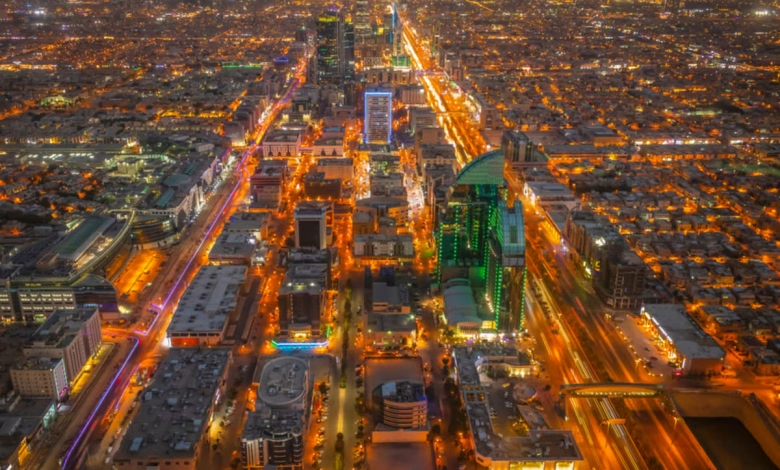
What began as a goal included in Saudi Vision 2030 has emerged as one of Saudi Arabia’s most significant social and economic reforms.
Homeownership has evolved into one of the strongest measures of Saudi Arabia’s urban transformation. Through expanded housing support, financing solutions and pioneering residential projects, the Kingdom has increased its homeownership rate from 47% in 2016 to 66.24% by the end of 2025, moving steadily toward its 70% goal.
Expanding Access to Homeownership
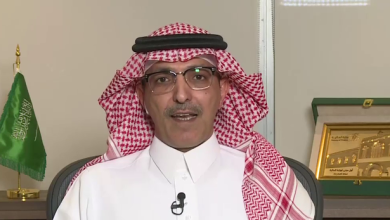
Speaking at the UN General Assembly High-Level Meeting on the Urban Agenda in New York, Minister of Municipalities and Housing Majed Al-Hogail, highlighted Saudi Arabia’s revolutionary transformation from developing urban policies to delivering tangible results on the ground.
As part of this progress, Saudi Arabia submitted its updated 2026 National Report to UN-Habitat, recording the Kingdom’s urban transformation over recent years and showing the role of strategic planning in achieving measurable outcomes. According to Al-Hogail, more than one-quarter of Saudi families benefited from housing support services between 2018 and 2025, reflecting the Kingdom’s unwavering support to broaden homeownership and streamline access to affordable housing under Vision 2030.
Connecting Cities Through Smart Mobility
The Kingdom’s urban transformation goes far beyond housing to the creation of more connected cities. Public space per capita has grown from 5.2 square meters to 6.9 square meters, while the Bahja program has delivered more than 12 million square meters of community spaces.

Urban mobility has also emerged as a cornerstone of this remarkable transformation. The Riyadh Metro carried more than 100 million passengers during its first nine months of operation. Meanwhile, urban bus services recorded over 96.8 million passenger journeys in 2025. Together, these efforts portray a vivid image of Saudi Arabia’s investment in integrated transport networks designed to foster connectivity, cut off reliance on private vehicles and contribute to a higher quality of urban life.
Empowering Communities Through Inclusion
Apart from this, Al-Hogail highlighted significant milestones in labor market inclusion, with women’s participation in the workforce increasing from 22.8% to 36%, while the employment rate of people with disabilities doubled, reflecting the Kingdom’s push to promote a more inclusive and empowered society.
In parallel with these reforms, community engagement has also taken a center stage. The number of nonprofit organizations has exceeded 7,213, marking a hike of over 341% and highlighting the expanding role of civil society in supporting Saudi Arabia’s development agenda.
The Green Pillar of Urban Transformation
Complementing these efforts, Saudi Arabia continues to advance the Saudi Green Initiative and the National Renewable Energy Program, Al-Hogail said. Together, these initiatives are helping build greener, more climate-resilient urban environments while advancing the Kingdom’s broader vision for sustainable development.
Sustainability remains a key pillar of the Kingdom’s urban agenda. By launching initiatives such as the Saudi Green Initiative and the National Renewable Energy Program, Saudi Arabia is making bold strides toward greener, more resilient cities while aligning urban growth with long-term environmental objectives.
Related Topics:
Saudi Arabia REDF Launches Alternative Financing to Boost Homeownership
Makkah Taxi Fleet Paves Way for Sustainable Urban Transport
Saudi Arabia Empowers Homeownership with SAR 5.3 Billion Financing