By: Ranim Elgabakhngi
Tourism is at the forefront of Saudi Arabia’s Vision 2030, for the sake of transforming the economy through an ambitious journey of change with two projects known as NEOM and Red Sea.
As 2025 unfolds ahead of us, what can visitors truly expect from them?
A Luxury Eco-System Hub
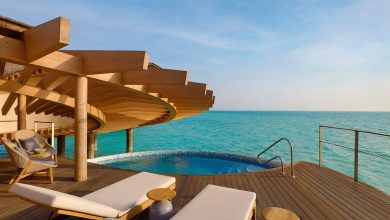
By mid-2025, the Red Sea Project made noticeable strides, without question, by opening several sustainable resorts that offer a special, world-class experience, such as Six Senses Southern Dunes and The St. Regis Red Sea.
All are accessible via The Red Sea International Airport (RSIA). With Shura Island also emerging as a major draw, it served to represent how the Red Sea Project could be, and potentially will be, a major game-changer in tourism.
A Glimpse of the Future
While NEOM remains equal in ambition as the Red Sea Project, it’s more of a long-term play for 2025, with the first luxury island destination known as Sindalah Island opening its doors to welcome visitors as it positions itself as a yachting hub. However, The Line, Trojena for winter sports, and Oxagon, which is the floating city, are all still under development. Some infrastructure remains visible but not operational for tourism yet.
Expectations to Hold
Of course, The Red Sea Project will remain the leading luxury eco-tourism destination, while NEOM’s Sindalah Island will gain high traction as an exclusive escape for high-net-worth individuals.
“The Line” will remain under construction, not being a primary tourist attraction just yet. And the overall visitor numbers to Saudi Arabia will continue to rise, exceeding forecasts.
For 2025, The Red Sea Project is the immediate “go-to” for luxury eco-tourism.
NEOM, through Sindalah, offers a high-end niche, while its larger projects provide an amazing look at future urban innovation.
Saudi Arabia continues its rapid tourism growth by focusing on luxury, sustainability, and unique cultural experiences that complement each individual’s visit.