
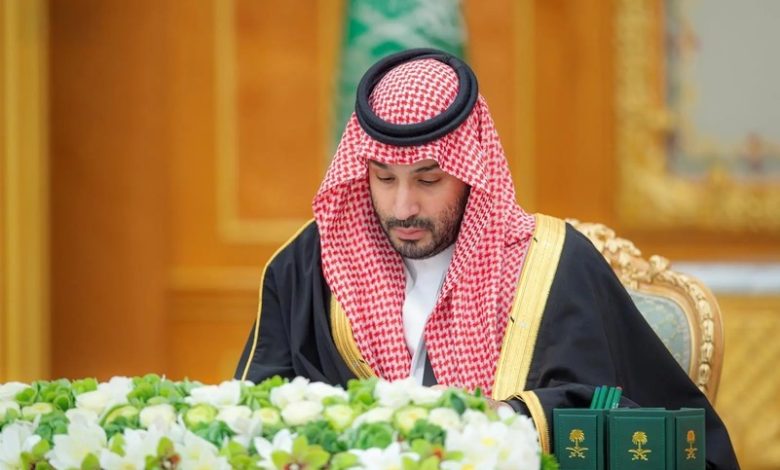
Driving the news: Saudi Crown Prince and Prime Minister Mohammed bin Salman vowed to keep strengthening the Kingdom’s defense capabilities as Saudi Arabia approved its 2027 state budget. The plan sets spending at SAR 1.392 trillion ($371.2 billion) for fiscal year 1448/1449 AH. Revenue should reach SAR 1.202 trillion ($320.5 billion), which leaves a projected deficit of SAR 190.6 billion ($50.8 billion).
Why it matters: The budget pairs national security with growth and citizen welfare. Therefore, it shows how Riyadh plans to protect its gains as Vision 2030 enters its third phase.
Security and Stability Come First
Zoom in: The Crown Prince said national security and stability form the foundation for preserving development gains. He stressed that the Kingdom will keep developing its military and defense capabilities. He also expressed pride in the officers and personnel of the armed forces and security sectors. Moreover, he praised those who guard the Kingdom’s borders for their efforts and sacrifices.
He then set out the Kingdom’s course under King Salman’s leadership. “The Kingdom is moving forward to expand opportunities for our sons and daughters, and to preserve the stability, security and sovereignty of the homeland, which we will not allow anyone to undermine,” he said. “We will defend its resources with all strength and resolve.”
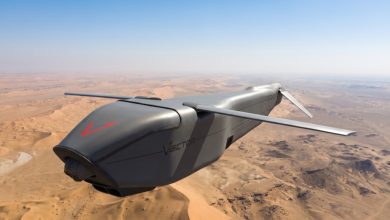
The big picture: Defense spending sits alongside a growing local industry. Ahmed Al-Ohali, governor of the General Authority for Military Industries, has said local content makes up 40% of Saudi military spending. He has also said 344 Saudi companies operate in the sector.
Citizens First in Vision 2030’s Third Phase
The Crown Prince said the budget reflects the government’s pledge to put the nation’s advancement and citizens’ interests first. It also aims to protect development gains for this generation and the next. He credited King Salman’s guidance and the efforts of the Kingdom’s sons and daughters. He explained that the third phase of Vision 2030 builds on reforms from the first two stages. “We are amplifying the Vision’s impact on people’s lives, and turning its gains into lasting strength for our economy and renewed opportunities for future generations,” he said.
Furthermore, he pledged to widen development opportunities, invest in Saudi talent and build a more diverse, competitive economy. Its impact, he said, will reach beyond 2030.
Estimates for 2026 show real non-oil GDP growth of 2.5%. The Crown Prince said that figure reflects progress in diversification. The Ministry of Finance also expects overall GDP to shrink 3.6% in 2026 on lower oil activity, before growing 12.8% in 2027.
Energy Security and Long-term Planning
Internationally, the Crown Prince stressed that the Kingdom has proven itself a sustainable and reliable energy supplier. He linked that role to strategic investment in energy and logistics infrastructure. These assets keep oil and non-oil exports flowing through the East-West pipeline and the western coast ports, he said. He also pledged continued cooperation with producing countries and wider economic partnerships for regional and global stability.
The budget sits within a long-term financial plan. According to the Crown Prince, it balances sustainable growth, development priorities and healthy public finances. It also keeps flexibility in directing resources and funding programs with economic and social impact.
Social protection stays a central priority. The government will make support more effective and direct it to the groups that need it most. In addition, it will keep investing in infrastructure, essential services, and transport and logistics. These steps connect the regions, raise investor appeal and help the economy adapt to global supply-chain shifts.
By the numbers:
- Approved 2027 spending: SR1.392 trillion ($371.2 billion).
- Estimated 2027 revenues: SR1.202 trillion ($320.4 billion).
- Projected 2027 deficit: SR190.56 billion ($50.8 billion), or 3.6% of GDP.
- Revised 2026 estimates: SR1.44 trillion ($384 billion) in spending and a SR245 billion ($65.3 billion) deficit, or 4.9% of GDP.
- GDP outlook: forecasts point to 10.9% real growth in 2027, after an estimated 2.1% contraction in 2026.
- Non-oil momentum: 2.5% non-oil growth expected in 2026; non-oil activities hit a record 57.7% of GDP through the first nine months.
- Public debt: SR1.92 trillion ($512 billion) forecast by end-2027, or 35.9% of GDP.
- Central bank reserves: SR399 billion ($106.4 billion) projected for 2027.
- Tax revenues: SR414 billion ($110.4 billion), up 4.5% year on year.
Efficiency, the Private Sector and National Funds
Zoom in: The Crown Prince urged higher spending efficiency and measurable results. He called for tying resources to national strategies and getting more from government assets. Government entities, he said, carry responsibility for quality follow-up, transparency and project results.
He credited reforms with widening the economic base and strengthening competitiveness. Meanwhile, a growing financial sector under strong regulation funds the economy and private-sector expansion. A strong fiscal position also supports market access and funding diversification. The government will manage public debt at sustainable levels and keep substantial reserves.
The private sector also won his praise. Continued reforms will make the investment climate more stable and attractive, and will support small firms, local content, non-oil exports and jobs.
The Public Investment Fund (PIF) will keep developing promising sectors in partnership with the private sector. Its investments will localize knowledge and build national talent. Likewise, the National Development Fund will raise financing efficiency, direct funds to national priorities and encourage private participation.
What’s next: Spending should reach about SAR 1.544 trillion by 2029. The Ministry of Finance also plans to keep borrowing in local and international markets under its medium-term debt strategy. Finance Minister Mohammed Al-Jadaan has said the Kingdom manages its public finances from a long-term perspective amid an uncertain global economic environment. Moreover, that approach should guide spending as the third phase of Vision 2030 unfolds across every sector.