Gulf Unity on Display: Saudi Arabia Rallies Behind Bahrain After Iranian Drone Attacks
On Sunday, November 15, 2026, the sound of sirens echoed across Bahrain as air defenses intercepted incoming Iranian drones.
The blatant attack – which broke a nearly two-month lull in Iranian hostilities – prompted an immediate and forceful response from Saudi Arabia and Gulf allies, who reaffirmed their unwavering support for Bahrain and rejected any infringement on regional security.
Saudi Backing for Bahrain
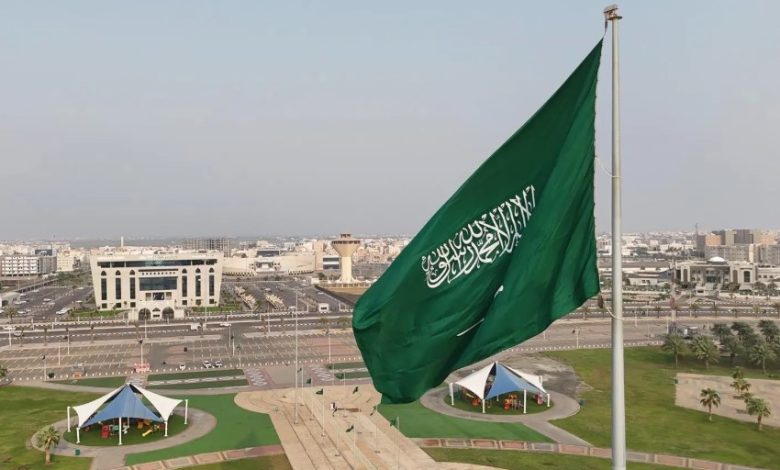
Driving the News: Saudi Arabia strongly condemned the Iranian drone attacks on Bahrain, reiterating Riyadh’s full solidarity with Manama in any measures it takes to safeguard its sovereignty and security.
The Big Picture: In a statement on November 15, the Saudi Foreign Ministry noted that the Kingdom denounced the attacks as a violation of international law and the principles of good neighborliness. Riyadh called for an immediate halt to Iranian attacks against regional countries and serious steps to achieve security and stability for the region’s nations and peoples.
Why It Matters: The Saudi statement reflects a unified Gulf stance on recent regional developments and a deep alignment in confronting shared threats to security and stability.
What Happened in Bahrain
The Context: Iran’s Islamic Revolutionary Guard Corps (IRGC) said that it had targeted a US defense radar at the Al-Rifaa helicopter base in Bahrain with six drones, claiming that the attack was in retaliation for “hostile US actions.”
The Backstory: In recent weeks, the US military has carried out a series of strikes against Iranian targets, including Qeshm Island in the Strait of Hormuz.
Bahrain’s Response: On November 15, the Bahrain Defense Force (BDF) General Command said that its air defense systems intercepted and destroyed incoming Iranian drones before they could achieve their objectives, following the interception of two drones on Friday, November 13, in what it described as a “systematic hostile approach.”
In a statement, the Bahraini Foreign Ministry said that these attacks constitute a resumption of Iran’s aggression against Bahrain and other countries in the region, violating international law and the UN Charter, as well as UN Security Council (UNSC) Resolution 2817 (2026).
Moreover, Bahrain rejected the use of its territory to settle accounts and held Iran fully responsible for the attacks and their consequences. It reaffirmed its inherent right to individual and collective self-defense under Article 51 of the UN Charter and to take all necessary measures to protect its sovereignty and the security of its citizens and residents.
Catch Up Quick: The UNSC adopted the Bahraini-sponsored Resolution 2817 in March 2026. The resolution condemns Iranian missile and drone attacks against GCC countries and Jordan, demands the immediate cessation of all attacks, and addresses interference with maritime navigation in the Strait of Hormuz and Bab al-Mandab.
GCC & Arab Solidarity
State of Play: The Iranian attacks on Bahrain triggered a wave of Gulf and Arab condemnation, demonstrating a broad Arab consensus on regional security and stability.
GCC Position: GCC Secretary-General Jasem Albudaiwi issued a strong condemnation of the “treacherous” Iranian attacks on Bahrain, noting that the continuation of these hostile acts constitutes a flagrant violation of Bahrain’s sovereignty and a grave disregard for international law and the UN Charter, posing a direct threat to regional security and stability.
In His Words: “The security of the Kingdom of Bahrain is an integral and indivisible part of the shared Gulf security, and any infringement on the sovereignty of any member state is an infringement on the security of all GCC states.” – Jasem Albudaiwi, GCC Secretary-General.
Regional Backing: In separate statements, the foreign ministries of Qatar, Jordan, Egypt, and Palestine denounced the Iranian attacks on Bahrain for constituting a dangerous escalation that could undermine diplomatic efforts to achieve regional stability. They expressed their full solidarity with Manama, supporting any measures it takes to safeguard its sovereignty and security.
The Urgency for Collective Deterrence
Between the Lines: In its statement, the Bahraini Foreign Ministry noted that Manama would coordinate closely with fellow GCC states under the Joint Defense Agreement, which considers aggression against any member an attack against all, as well as with its allies and partners.
Zoom In: On November 10, GCC Defense Ministers decided to establish a forward headquarters for the Unified Military Command in Kuwait and allocate appropriate forces to it – a move aimed at strengthening the Gulf’s collective military action by accelerating coordination, logistics, and communication.
Reality Check: Speaking before the UN Security Council on November 13, Albudaiwi stated that GCC states have endured more than 7,000 Iranian missiles and drones against airports, ports, oil and gas facilities, power stations, water desalination plants, residential areas, and civilian facilities since the outbreak of the US-Iran conflict on February 28, 2026.
The Bottom Line: By rallying behind Bahrain, Saudi Arabia underscores a strategic and diplomatic alignment with GCC partners and Arab allies in rejecting Iranian threats to regional stability.