
Toward Manufacturing: Saudi-Turkish Defense Localization Accelerates Under Vision 2030
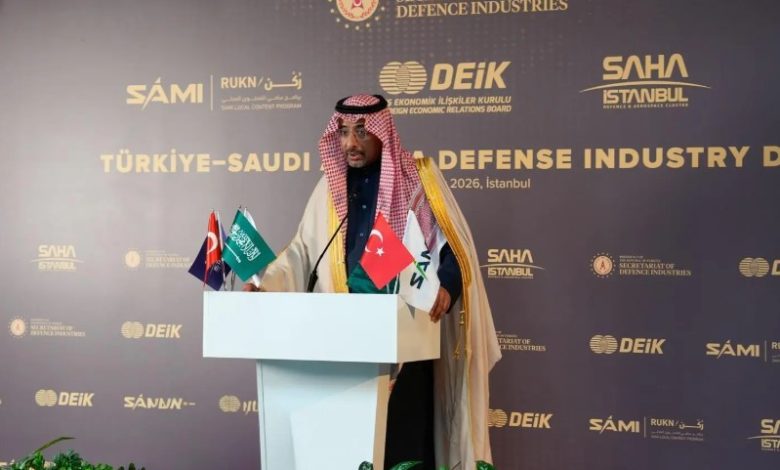
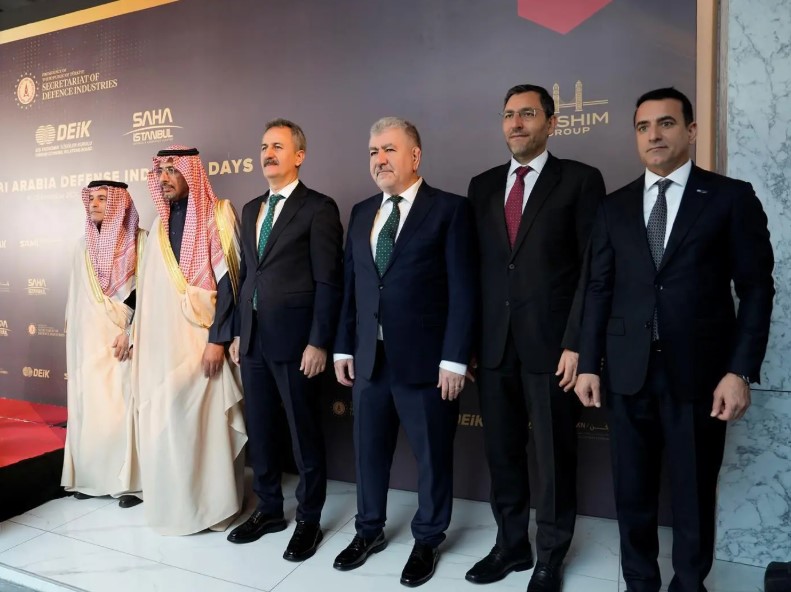
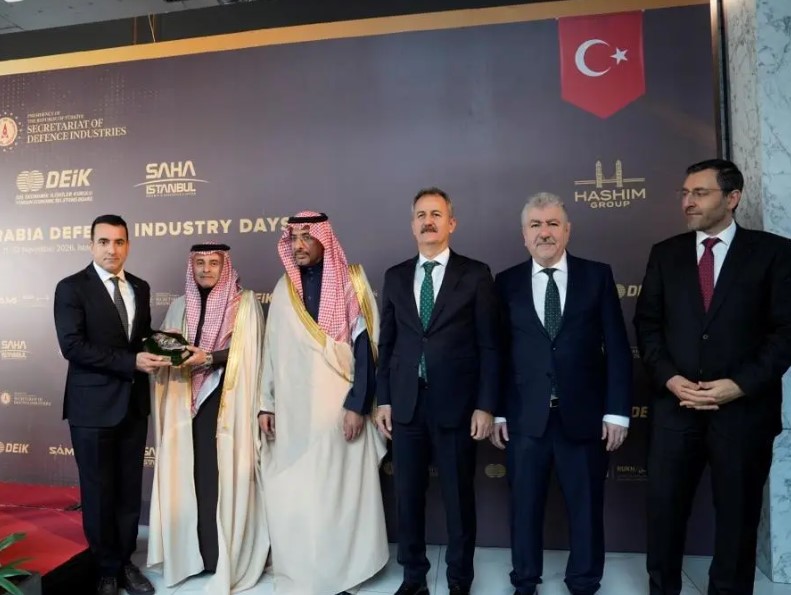
Defense industry leaders from Saudi Arabia and Türkiye gathered in Istanbul for the Defense Industry Days event, exploring opportunities for local manufacturing and technology transfer.
Building on their robust bilateral ties and the newly ratified Makkah Defense Alliance, Riyadh and Ankara are elevating their partnership from a traditional buyer-seller relationship toward joint industrial localization, co-production, and research and development, advancing the objectives of Saudi Vision 2030.
The Istanbul Momentum
Driving the News: More than 70 Turkish companies and 30 Saudi firms held over 600 business meetings during the Saudi-Türkiye Defense Industry Days event in Istanbul, held on November 11-12, 2026. The event was organized by the Turkish Foreign Economic Relations Board (DEIK), the defense industry cluster SAHA Istanbul, and Saudi Arabian Military Industries (SAMI).
The Big Picture: Over two days, Saudi and Turkish defense officials and industry leaders examined promising opportunities in the sector, leveraging Türkiye’s experience in the defense industry and Saudi Arabia’s appeal for investors.
Why It Matters: Given Vision 2030’s goal of localizing 50% of military spending and the defense partnership under the Makkah Alliance, the event provides Riyadh and Ankara with a pivotal platform for enhancing domestic manufacturing and production.
The Defense Localization Momentum
Between the Lines: Saudi and Turkish officials highlighted their interest in deepening the defense partnership utilizing Turkish robust engineering base and Saudi capital and industrial potential.
For Saudi Arabia: Saudi Minister of State, Cabinet Member, and Acting Governor of the General Authority for Military Industries (GAMI) Bandar Al-Khorayef described Türkiye’s defense ecosystem as “pioneering and worth learning from.” Speaking at the forum and in an interview with Anadolu Agency, he emphasized that Riyadh is moving beyond off-the-shelf procurement toward long-term partnerships, technology transfer, and joint R&D – backed by Saudi investor incentives and the strong youth demographics and human capital of both nations.
For Türkiye: Turkish Defense Industry Agency (SSB) President Haluk Gorgun highlighted the scale of Türkiye’s defense sector, spanning around 4,500 defense SMEs, over 1,400 projects, and a roughly $120 billion portfolio. He pointed to a growing momentum with over 75 meetings held over the past 3.5 years with Saudi bodies, including GAMI, SAMI, and the General Authority for Defense Development (GADD).
Building the Supply Chain
State of Play: During the event, SAMI, in collaboration with DEIK, the Saudi-Turkish Business Council, and SAHA Istanbul, organized the first RUKN Supplier Day under its Local Content Program (RUKN). It brought together over 100 companies, including ASELSAN, HAVELSAN, ROKETSAN, and FNSS, alongside Saudi and Turkish government and defense-sector representatives.
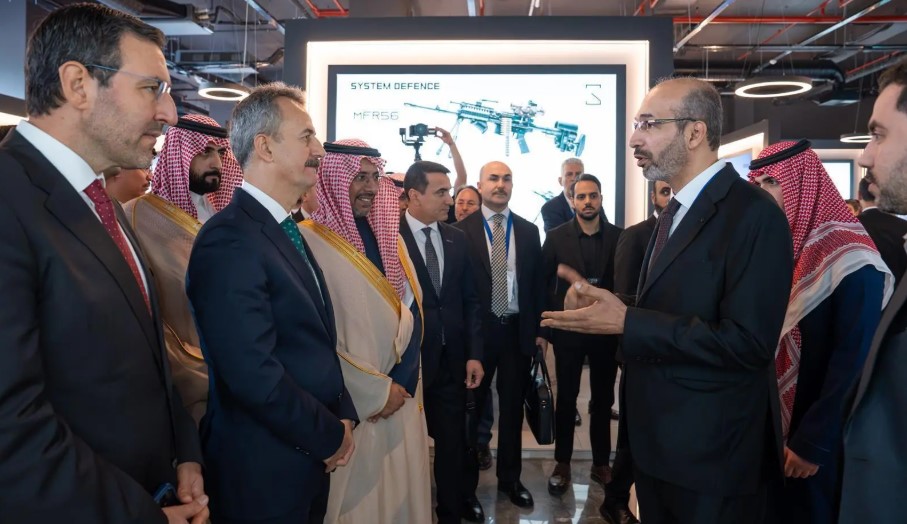
Zoom In: Five core SAMI subsidiaries (SAMI Advanced Electronics, SAMI Ammunition, SAMI Alsalam Aerospace, SAMI Land, and SAMI Autonomous) led workshops, roundtables, and B2B meetings evaluating Turkish supplier capabilities against 95 specific industrial requirements covering aerospace sustainment, land systems, autonomous/unmanned platforms, munitions, defense electronics, and advanced manufacturing.
What He Said: “Through RUKN, this gathering connected our companies with qualified suppliers and industrial partners. Our ambition goes beyond contracts to lasting partnerships that strengthen local manufacturing, develop Saudi suppliers, and enable technology and knowledge transfer in line with Saudi Vision 2030.” – Eng. Thamer bin Mohammed Al-Muhid, CEO of SAMI Group.
The Regulatory Backing: Attending the RUKN Suppliers Meeting, Al-Khorayef underscored that building reliable, diversified supply chains is essential for production continuity and military readiness – a goal RUKN advances by linking Saudi factories directly with qualified global suppliers. On the sidelines of the event, he also held bilateral talks with SSB President Haluk Gorgun and toured Turkish drone pioneer Baykar to review on-the-ground manufacturing capabilities.
Vision 2030: The Road to Localization
The Target: Under Vision 2030, Saudi Arabia targets a 50% localization rate of military spending by the end of the decade. Thanks to the efforts of GAMI, SAMI, and GADD, this rate has surged from 4% in 2018 to 27.3% by the end of 2025.
Go Deeper: Saudi Arabia and Türkiye are planning to establish defense centers of excellence inside the Kingdom to anchor local engineering, testing, and manufacturing.
Priority Sectors:
Speaking at the Defense Industry Days event, SAHA Istanbul Vice Chairman and Roketsan CEO Murat Ikinci identified four priority areas for rapid joint R&D and engineering:
- Autonomous systems
- Integrated air and missile defense
- Propulsion technologies
- Space systems
What to Watch: Ikinci noted that Roketsan has already initiated partnerships with SAMI and the Saudi National Company for Mechanical Systems (NCMS), with plans to expand into the broader SME supply chain.
From Defense Deals to the Makkah Alliance
The Anchor: The Istanbul event builds on three years of robust defense partnership grounded in bilateral deals.
- 2023: The Saudi Defense Ministry signed a multi-billion-dollar export contract with Turkish drone giant Baykar, alongside follow-up agreements to localize manufacturing of the Akıncı Unmanned Combat Aerial Vehicle (UCAV) inside the Kingdom.
- 2026: Saudi Arabia and Türkiye signed an MoU during the World Defense Show in Riyadh for joint local production of the Turkish indigenous Gökbey multirole helicopter.
Looking Ahead: Discussions are also underway for Saudi Arabia’s joint investment and participation in Türkiye’s KAAN stealth fighter jet program – an initiative that Turkish President Erdogan explicitly confirmed could be activated as a full partnership.
Makkah Defense Alliance: On August 7, 2026, Saudi Arabia, Türkiye, and Pakistan signed the Makkah Joint Defense Agreement, which stipulates that an attack against any one of the three countries will be considered an attack against all three, laying the ground for collective deterrence, coordinated military response, and joint industrial development. The pact was ratified by the Turkish Parliament on November 5 and the law was officially published in the Turkish Official Gazette on November 14.
The Bottom Line: The Saudi-Türkiye Defense Industry Days event ushers in a new era where Riyadh emerges as a regional manufacturing and innovation hub, establishing the Kingdom as a beacon of security and stability.