Wearables 2.0: Your New Primary Care Doctor
By: Ranim Elgabakhngi
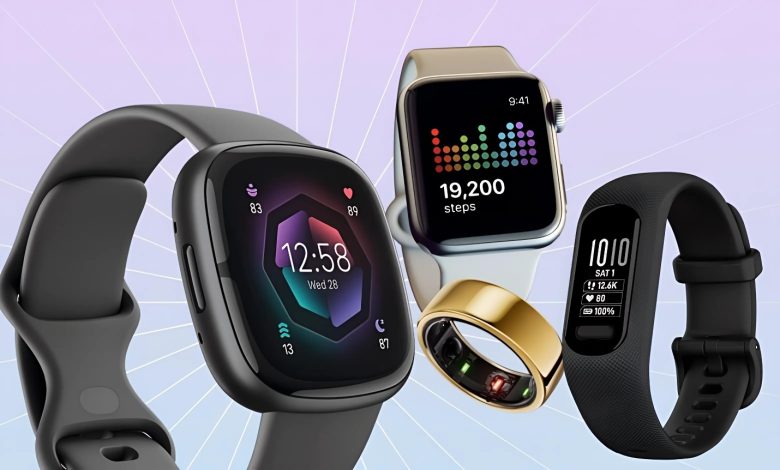
Wearables have transitioned from common pedometers to help us with step counts to being an important piece of tech that utilizes clinical-grade sensors and whose sophisticated AI would deliver accurate health insights, moving healthcare from reactive health to proactive health.
Medical-Grade Data
Modern wearables provide medical-grade metrics and algorithms for measurements of blood pressure, continuous glucose monitoring (Dexcom G7), and ECG (Apple Watch Series 10), with multi-lead capabilities. We are able to connect together and feed data to AI and machine learning algorithms to analyze input data and help with predictive analytics to pinpoint proclivity to conditions such as atrial fibrillation before it is diagnosed, just like tiny sensors.
Seamless Integration & Proactive Management
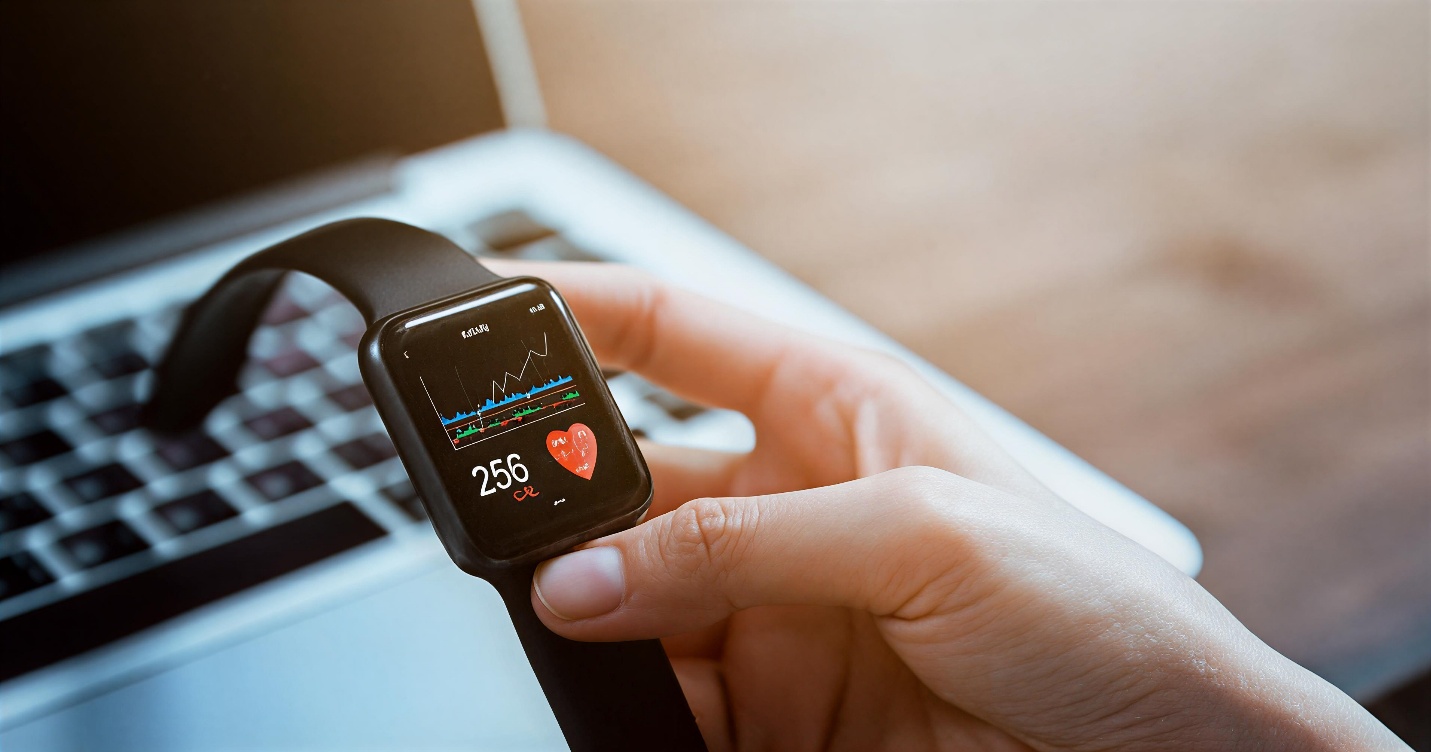
Wearables are at the forefront of remote patient monitoring (RPM) as they are advanced to the point of being capable of posting vital data from the wearable device to providers in real time and tracking active wellness, chronic illness, or postoperative recovery, without requiring in-person visits. For example, Biobeat (a wearable patch tracking blood pressure), it provides health data for healing ailing patients.
AI Personalization & User Experience
Devices like Oura Ring 4 utilize machine learning to analyze the data captured and organize the information into insights with an unprecedented level of personalization, meaning the information can offer personalized advice on appropriate recovery after assessing your sleep patterns and stress levels. Moreover, many devices today are being produced without screens, disruptive displays, or alerts. Smart rings like Circular Ring 2 represent a new genre of tracking devices with continuous tracking and a battery life that will not impact user experience.
Data Privacy & Security
The integration of healthcare, in-depth, means data safety has never been more important. Companies will be using strong encryption and strict data protection regulations such as HIPAA to give users more control over their sensitive health data. Furthermore, enabling the end user to have more control will build trust with their data and ensure data privacy and security.
Overall, wearables 2.0 are a major step towards creating a more personalized, preventative, and healthier future for users and making proactive wellness initiatives more available to everyone.