
King Salman Orders Financial Relief Package for Saudi Citizens Ahead of 2027 Utility Reforms
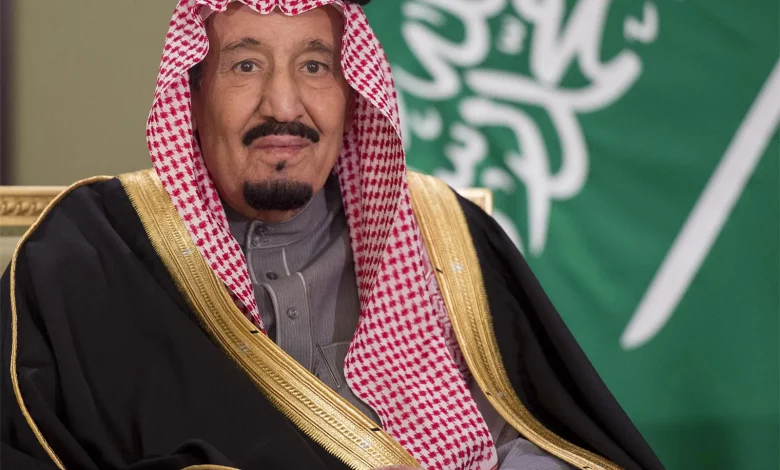
Driving the news: King Salman issued royal directives outlining comprehensive financial relief measures for Saudi citizens, acting on recommendations submitted by Crown Prince and Prime Minister Mohammed bin Salman. The announcement coincides with new electricity and water rates from Saudi Energy and the National Water Company, which take effect on 1 January, 2027.
Why it matters: Riyadh is moving quickly. The Kingdom announced direct financial support at the same moment it announced the tariff changes. Moreover, it is lifting wage floors for Saudis in the private sector.
What the Royal Directives Deliver
The details: First, the package adds SAR 500 ($133) to the monthly allowance of civilian and military employees. This covers staff on civil service pay scales and operating-program items. Retirees and eligible family members of deceased social insurance beneficiaries receive the allowance too.
Second, families that receive social security get separate monthly support of SAR 500 ($133). The support follows the program’s existing rules and mechanisms. The directive states that it eases the financial impact of the tariff adjustments. Local reports add that covered civil service employees receive a fixed SAR 500 each, starting 1 January, 2027.
Zoom in on jobs: Private-sector Saudis benefit as well. The directive raises the minimum wage at which an employer counts a Saudi worker as a full unit under the Nitaqat localization program. The floor rises to SAR 5,000 ($1,333) six months after the measure starts. It then climbs to SAR 6,000 ($1,600) twelve months after that first increase. The changes aim to boost wages and support Saudi employment in the private sector.
Zoom in on bills: Both utilities replace the monthly meter service fee with a fixed monthly charge. Electricity customers pay according to breaker capacity, and water customers pay according to meter diameter. Saudi Energy is the new name of the Saudi Electricity Company, which rebranded in February 2026.
Saudi Energy said the announced prices exclude VAT. Consumption before 1 January, 2027 follows the old tariff. In addition, the utility prorates the fixed charge when a bill covers more or fewer than 30 days.
By the numbers:
- SAR 500 ($133): new monthly allowance for civilian and military employees, retirees and eligible survivors.
- SAR 500 ($133): monthly support for families on social security.
- SAR 6,000 ($1,600): yearly value of the monthly allowance for each recipient.
- SAR 5,000 ($1,333): new Nitaqat wage floor for counting a Saudi worker in full, starting six months after the measure begins.
- SAR 6,000 ($1,600): second Nitaqat step, twelve months later.
- 1 January, 2027: start date for the new electricity and water tariffs.
- 5%: Saudi unemployment in the second quarter of 2026, down from 6.8% a year earlier.
- 5 million+: Saudis working in the private sector by the end of 2025.
- SAR 3 billion ($800 million): Citizen’s Account payout to 9.8 million beneficiaries and dependents in May.
- SAR 277 billion+ ($73.9 billion): total Citizen’s Account payments since the program launched.
Saudi Arabia’s Fast-Moving Welfare Playbook
The bigger picture: Saudi Arabia has a clear record of pairing economic adjustments with direct support. For example, in January 2018 King Salman ordered a monthly cost-of-living allowance of SAR 1,000 ($267) for government staff and military personnel. Pensioners and social security beneficiaries received SAR 500 ($133) a month. Today’s package follows the same approach and also targets private-sector wages.
Meanwhile, the Citizen’s Account program keeps cash flowing to households. In May 2026, it deposited SAR 3 billion ($800 million) for 9.8 million beneficiaries and dependents. Together, these programs form a layered safety net. Allowances reach salaried staff and retirees. Social security reaches families in need. Citizen’s Account reaches low- and middle-income households.
The labor market gives the new wage floor a solid base. Unemployment among Saudis fell to 6.5% in the second quarter of 2026 from 6.8% a year earlier. The Kingdom also reached its Vision 2030 unemployment target of 7% by the end of 2024. Consequently, the higher Nitaqat floor aims to turn job growth into better-paid jobs for citizens.
What’s next: The new tariffs and the SAR 500 allowance start on Jan. 1, 2027. The Nitaqat wage floor then follows in two steps. Employers should plan for SAR 5,000 ($1,333) first and SAR 6,000 ($1,600) later. Meanwhile, households can review their new rates through the utilities’ websites and apps.