
As regional uncertainty and shipping disruptions put trade flows under pressure, Saudi Arabia is relying on investments in alternative routes to help sustain the movement of energy and goods.
Resilience Through Diversification
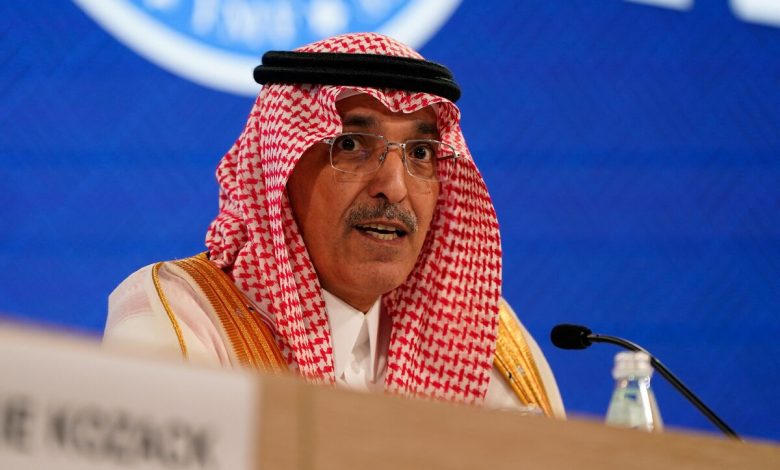
Saudi Finance Minister Mohammed Al-Jadaan underscored the importance of building a resilient economy capable of addressing prolonged disruptions, emphasizing diversification, sustained growth, and the effective management of economic risks.
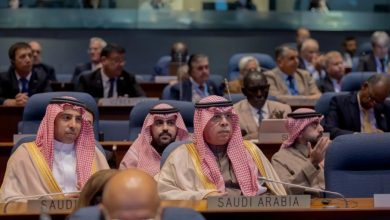
Al-Jadaan highlighted these priorities during the third G20 Finance Ministers and Central Bank Governors Meeting in Bangkok, Thailand, on Thursday. The meeting took place alongside the 2026 Annual Meetings of the International Monetary Fund (IMF) and the World Bank Group, with Al-Jadaan leading the Saudi delegation.
He called for fiscal policies that preserve the foundations of economic growth, emphasizing that international cooperation remains essential to maintaining stability.
In this sense, he illustrated that reliable energy supplies at reasonable prices and uninterrupted access to essential goods can ease inflationary pressures and reduce the strain on national budgets, helping governments navigate periods of uncertainty.
How Can Countries Limit Supply Disruptions?
Al-Jadaan also pointed to Saudi Arabia’s investments in alternative routes as a compelling example of how infrastructure and diversified transport networks can help sustain energy supplies and trade during periods of disruption.
Such investments also help limit the effects of shipping interruptions on markets and commodity flows, underscoring the importance of resilient supply chains to economic stability.
Building resilience against prolonged disruptions requires more than accumulating financial reserves. Al-Jadaan noted that countries must manage their resources effectively over time while maintaining the flexibility to address new economic pressures.
He identified economic diversification, stronger energy and food security, and reliable infrastructure and supply chains as key priorities for reducing vulnerability.
Their significance continues to grow as interruptions to trade affect the movement, availability, and cost of essential goods.
AI Readiness Becomes an Economic Priority
Al-Jadaan also broadened the discussion to include the growing economic significance of artificial intelligence (AI), noting that preparedness for its adoption has become more than a technological concern. It is increasingly tied to sustainable growth and economic stability, requiring policies that help economies adapt to technological change while preserving opportunities for long-term development.
He also underscored the role of multilateral financial institutions in supporting vulnerable economies facing financing pressures.
Through financial and technical assistance, as well as advisory services, these institutions can help countries navigate economic shocks and safeguard stability, he said.
What Shaped Al-Jadaan’s Bangkok Talks?
During his visit to Bangkok, Al-Jadaan held meetings with ministers, government officials, and representatives of international financial institutions and credit rating agencies.
Discussions covered global economic developments, policies to reinforce stability, and the latest developments and reforms in the Saudi economy, reflecting the Kingdom’s continued engagement in international economic and financial affairs.
Related Topics:
Aramco President: Rebuilding Global Oil Inventories Could Take Two Years
IsDB Commits Millions to Infrastructure, Development Across Africa and Beyond
Saudi Arabia’s Business Confidence Signals Resilience Across Key Economic Sectors