
Stitching Heritage into Careers: Saudi Arabia Trains Next-Generation Embroiderers in Wrth Program
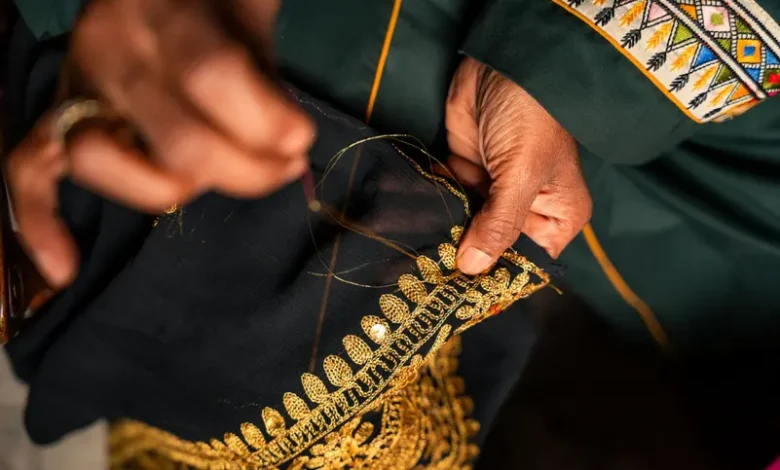
Driving the news: Saudi Arabia’s Royal Institute of Traditional Arts (Wrth) has opened registration for an 18-month traditional embroidery apprenticeship. The program trains specialist practitioners, sharpens their product design skills and helps them launch their own craft businesses.
Why it matters: The Kingdom is turning a centuries-old craft into a viable career. Moreover, the program links heritage preservation to economic diversification under Vision 2030.
Zoom in: Classes begin on 3 January, 2027, at the institute’s campus in Riyadh’s Al-Futah district. Craftspeople and specialists will supervise trainees across three levels. Each level combines historical knowledge, hands-on practice and professional skills.
From traditional Stitches to Product Design
Participants first study the history and fundamentals of traditional embroidery. They then learn how to select suitable materials. Furthermore, they master traditional stitches, sewing techniques and hand embroidery.
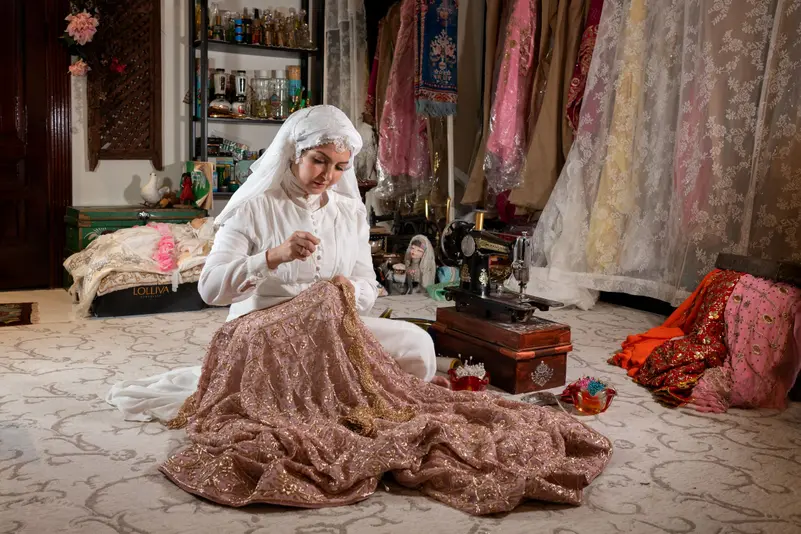
Trainees also design embroidered products. They create pieces that blend heritage methods with contemporary styles. As a result, the craft keeps its identity while it reaches new uses and new buyers.
The institute’s course outline adds that trainees practice hand, digital and machine embroidery. They also learn careful fabric handling. Applicants must commit to full-time study. Employed applicants must submit written approval from their employers.
The program goes beyond craft training. Business tracks cover time management, productivity analysis, project planning and feasibility studies. Trainees also learn product pricing and marketing. Consequently, graduates can turn their skills into jobs or small enterprises. This approach supports the long-term survival of traditional crafts.
By the numbers:
- 18 months: program length, across three training levels.
- 3 January, 2027: start date at the Riyadh campus.
- 1, 2026: registration deadline.
- 8-19, 2026: interviews and practical admission tests.
- SAR 0 ($0): tuition for Saudi nationals across Wrth programs.
- 4,855: licensed Saudi artisans as of 2025.
- 7,000+: children aged 8 to 12 in Wrth’s fourth summer program.
- 6: new academic programs Wrth opened for registration in 2025.
- 2021: Wrth’s founding year
Saudi Arabia Backs Its Artisans
The apprenticeship fits a wider national push. In September 2024, the Council of Ministers named 2025 the Year of Handicrafts. Culture Minister Prince Badr bin Abdullah bin Farhan said Saudi handicrafts reflect society’s creativity, including textiles and handmade embroidery. The ministry aims to strengthen Saudi crafts at home and abroad and to lift their contribution to the economy.
The institute already plays a central role. In 2025, it opened registration for six academic programs, including master’s degrees. It also offers self-paced courses in eight traditional art forms. Wrth’s Najdi woodworking and door arts apprenticeship in Unayzah also lasts 18 months. Moreover, Saudi citizens attend it free of charge. At Expo 2025 Osaka, Wrth showcased a Saudi artisan pairing Al-Ahsa Bisht embroidery with a Japanese kimono.
The Ministry of Culture also backs artisans commercially. Its retail policy launched handicraft stores, including two at King Khalid International Airport in Riyadh. As a result, licensed artisans gain easier access to buyers. A project called Artisans House also offers awareness, training and product development for craft practitioners. Meanwhile, the Saudi International Handicrafts Week, known as Banan, gives artisans yet another global showcase.
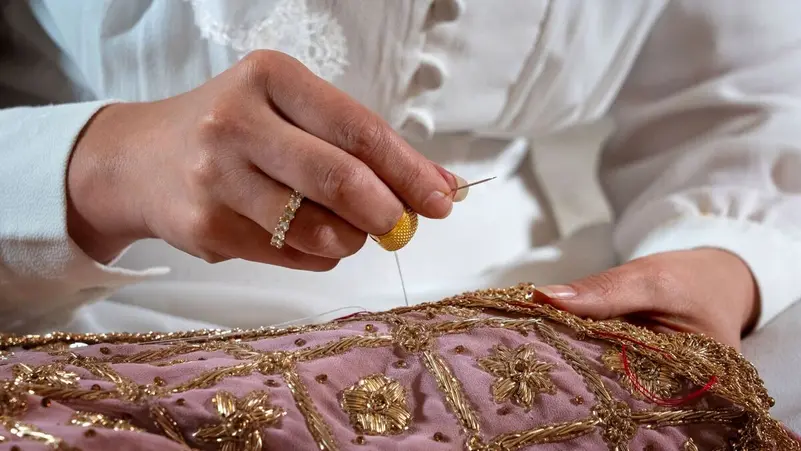
The handicrafts year followed earlier cultural themes. Previous years celebrated Arabic calligraphy, Saudi coffee, Arabic poetry and the camel. Dr. Dalia Al-Yahya, general manager of the Year of Handicrafts, told Arab News the initiative “has a great impact on traditional handicrafts.”
Wrth also reaches younger generations. Its fourth summer program targeted more than 7,000 children aged 8 to 12 in Riyadh, Hail and Abha.
The big picture: Saudi Arabia increasingly treats traditional arts as both cultural treasure and economic opportunity. Each region of the Kingdom holds distinct stitching traditions. Wrth’s beginner embroidery course, for example, teaches students to compare Najd and Asir stitches. Training the next generation of embroiderers keeps those traditions alive. It also builds a skilled workforce for the creative economy. That balance explains why Wrth pairs craft training with business skills.
What’s next: Applicants can register through the institute’s website until 1 November, 2026. Interviews and practical admission tests will follow between 8 and 19 November.
Since its founding in 2021, Wrth has trained national talent in traditional arts and crafts. Its programs pass craft skills to younger generations and protect Saudi cultural heritage.