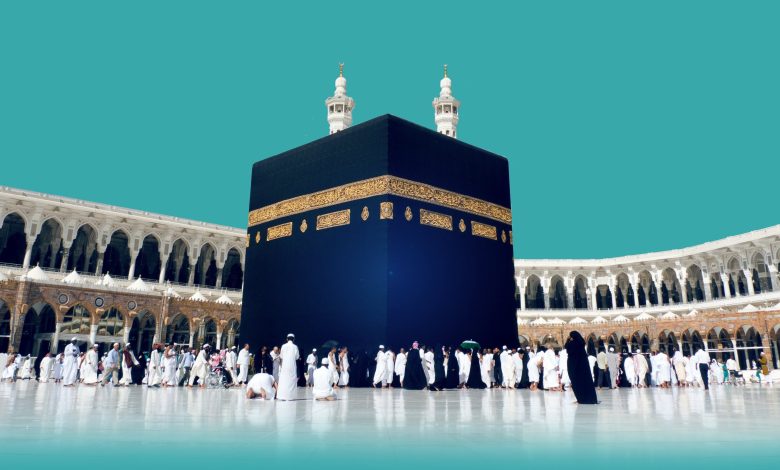
Saudi Arabia welcomed more than 15.2 million Umrah performers during the first quarter of 2026. This impressive milestone illustrates the rapid progress of Saudi Vision 2030 and its Pilgrim Experience Program. Consequently, the Kingdom moves steadily toward hosting 30 million international pilgrims annually by 2030.
Why it matters: Saudi leadership treats the service of the Two Holy Mosques as a sacred national duty. Therefore, the Kingdom spends billions of dollars to modernize infrastructure, enhance medical care, and expand accommodation. These investments guarantee safety, spiritual enrichment, and comfort for every pilgrim.
The big picture: Saudi authorities revolutionized the pilgrimage journey through comprehensive digital platforms. Specifically, the Ministry of Hajj and Umrah launched the Nusuk application. This platform enables international visitors to issue e-visas within minutes. In addition, holders of standard tourist visas can perform Umrah without procedural obstacles.
Transforming the Pilgrimage Experience
GASTAT recorded 15,233,767 total Umrah performers in Q1. That included 5.77 million international visitors and roughly 9.46 million domestic performers. Men made up 59.4% of the total. Saudi nationals accounted for 28.9% of all pilgrims who performed Umrah during the quarter.
Airports handled 86% of international arrivals, while land ports covered 13.6% and sea routes just 0.4%. January was the busiest month for foreign pilgrims, drawing 2.24 million arrivals. Domestic Umrah, meanwhile, peaked in February at 4.56 million performers. March brought the quietest stretch for international arrivals, at 1.39 million.
Age patterns stood out, too. International pilgrims aged 55 to 64 formed the largest share, at 18.8%. Domestic pilgrims skewed younger, with the 25-to-34 bracket leading at 25.3%. Madinah also drew large crowds: 3.74 million international and nearly 2 million domestic visitors toured the Prophet’s Mosque during the quarter.
By the numbers:
- 15,233,767 total Umrah performers in Q1 2026
- 5,769,271 international performers (48.2% male, 51.8% female)
- 9,464,496 domestic performers, including 4.4 million Saudis
- 86% of international pilgrims arrived by air
- 4% of domestic performers travelled with family
- 4,066,669 domestic performers came from the Makkah region alone (43% of the total)
- 3,741,460 international visitors also toured Madinah during the quarter
Building for 30M: The Infrastructure Push
These numbers didn’t happen by chance. Under Vision 2030’s Pilgrim Experience Program, the Kingdom has spent years widening the gateway to the Two Holy Mosques. The Q1 data reflects that groundwork.
The Ministry of Hajj and Umrah‘s Nusuk platform now centralises visa issuance, permits and accommodation bookings for pilgrims from more than 126 countries. It replaced what was once a fragmented, paper-based system. As a result, pilgrims can now plan an entire trip, flights, hotels, transport and guided mosque access, through one digital gateway.
Accommodation has scaled alongside demand. Makkah’s licensed hotel capacity has climbed past 268,000 rooms. In addition, the Nusuk Masar platform now issues seasonal licences for temporary pilgrim housing, so quality standards apply even outside peak Hajj weeks. Meanwhile, the Royal Commission for Makkah has widened pedestrian pathways and multiplied restroom capacity around the holy sites, easing movement for the crowds GASTAT’s figures describe.
Health services have moved to keep pace, as well. Saudi Arabia’s Ministry of Health has expanded hospital capacity at the holy sites. It doubled the bed count at Mina’s Emergency Hospital-2, to 400, through a three-floor expansion, and it linked hospitals more closely so patients move seamlessly between facilities. Smart sensor systems tied to the Nusuk card now give officials real-time visibility into crowd movement. That helps teams manage flow and respond faster during emergencies.
What’s next: Saudi officials are pursuing 30 million annual Umrah pilgrims under Vision 2030, up from roughly 8 million when the target was first set. International arrivals have already surpassed earlier Vision 2030 benchmarks in recent years. So, the Q1 2026 figures suggest the Kingdom remains on track.
Officials also plan further digital upgrades. These include AI-assisted crowd forecasting and expanded instalment payments through the Nusuk e-wallet, ahead of the next Hajj and Umrah seasons.
The Kingdom’s authorities continue expanding smart digital services and physical capacities. Future plans include further integration of artificial intelligence in crowd management systems. Consequently, these technological advances will support seamless pilgrimage experiences as Saudi Arabia targets 30 million annual Umrah visitors.