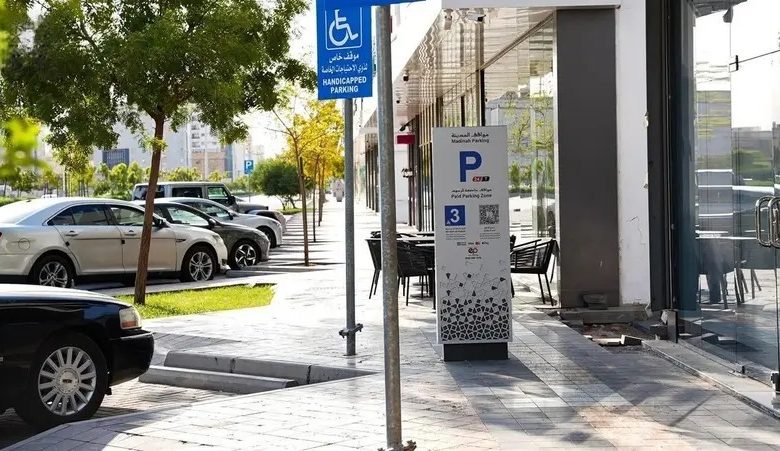
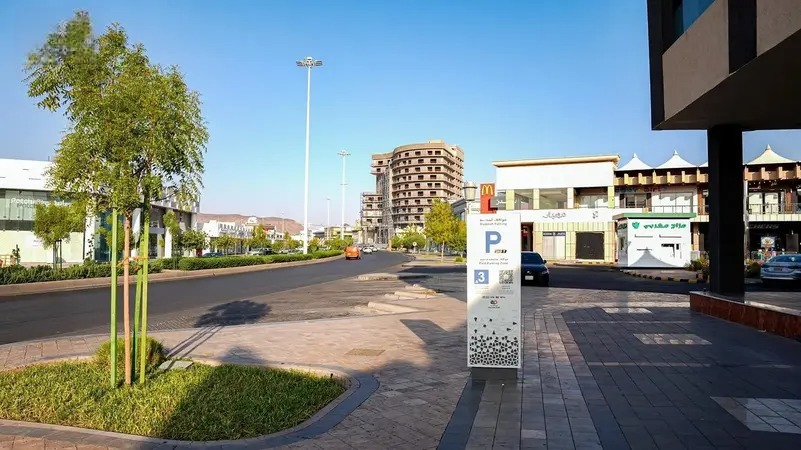
The big picture: Madinah Region Municipality launched the trial operation of Phase 2 for the “Madinah Parking” smart parking project on Wednesday. Consequently, this initiative advances Saudi Arabia’s broader strategy to modernize urban transport infrastructure under Vision 2030.
Why it matters: Smart parking directly reduces urban traffic congestion in vital areas. Additionally, municipal surveillance cameras actively monitor every parking zone to enhance operational management and maintain order.
Smart Parking Expansion
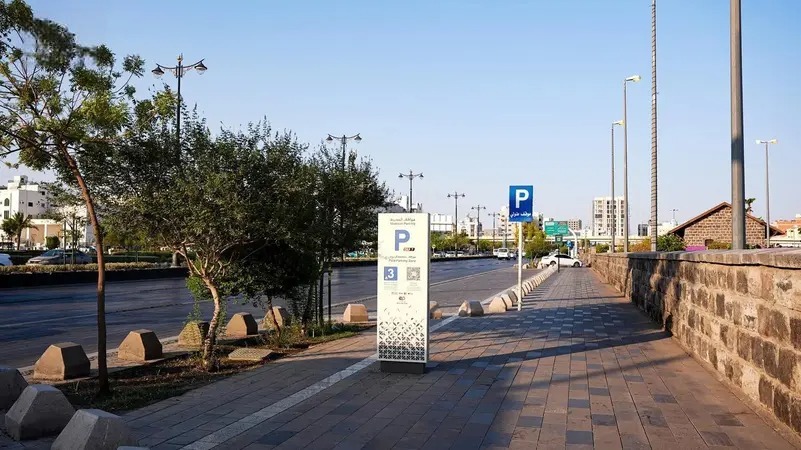
How it works: Municipal authorities introduced the trial across key commercial and traffic arteries in the holy city. Specifically, the project covers Prince Mohammad bin Abdulaziz Road, Prince Abdulmohsen bin Abdulaziz Road, Sultanah Road, Amir Al-Mu’minin Omar bin Al-Khattab Road, and King Fahd Road. Additionally, millions of Umrah visitors and residents travel through these central arteries each year.
Furthermore, the trial run will continue through 26 September. Registered drivers can use these parking spaces free of charge during the testing period, according to the Saudi Press Agency (SPA).
The project achieves several vital goals:
- It maximizes parking space efficiency across high-density commercial zones.
- It cuts down the time drivers spend searching for available parking spots.
- It eliminates illegal and random parking along major municipal corridors.
- It streamlines overall traffic movement for residents, pilgrims, and visitors.
What they are saying: “The initiative aims to elevate the overall transportation experience across Madinah,” stated the Madinah Region Municipality. “Furthermore, it organizes parking management and facilitates smooth access to key destinations.”
User registration: Motorists can download the “Mawagif” mobile application to set up their user accounts. Drivers simply register their mobile phone number and vehicle license plate details. As a result, users can easily test the service and familiarize themselves with the setup before paid operations begin.
Following the trial period, parking will cost SAR 3.45 ($0.92) per hour, including value-added tax (VAT). The system grants a 20-minute grace period before payments become due. Moreover, users can settle fees through the smartphone application or by scanning QR codes on signs at parking locations.
Broader Infrastructure Leap
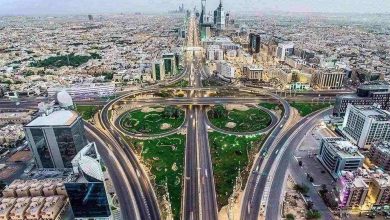
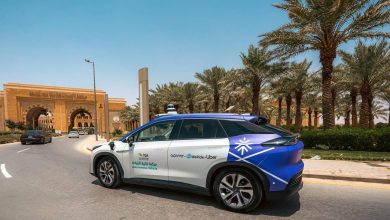
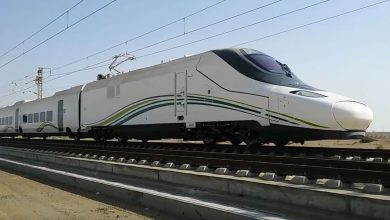
Zoom out: The Madinah project is one small piece of a sweeping, Kingdom-wide effort to overhaul Saudi Arabia’s roads and transport networks under Vision 2030. Consequently, similar smart-parking and traffic-management systems are emerging in cities across the country as municipalities race to cut congestion and improve service quality for residents and visitors alike.
Consequently, these mega-projects align with Saudi Vision 2030 objectives to position the Kingdom as a global logistics powerhouse. Moreover, expanding regional connectivity supports tourism growth and intercity trade across all thirteen provinces. Furthermore, Saudi Arabia deploys advanced technologies, including artificial intelligence road-scanning fleets to inspect pavement quality in real time. In addition, authorities installed rumble strip technology on out-of-city routes, earning first place in the Arab world for safety innovation. As a result, road safety measures have cut nationwide traffic fatalities significantly.
By the numbers: Saudi Arabia’s infrastructure expansion features remarkable metrics across global indices:
- 1st place globally: The World Economic Forum ranks Saudi Arabia first in the global Road Connectivity Index.
- 4th in G20: The Kingdom holds fourth place among G20 nations for road infrastructure quality with a 5.7 rating.
- 73,000+ kilometers: The national paved road network stretches over 73,000 kilometers, connecting major economic corridors.
- 57% fatality reduction: Advanced safety standards and AI surveillance reduced road traffic fatalities by 57 percent nationwide.
- 80%+ safety rating: Over 80 percent of national roads meet top global safety standards under iRAP classifications.
- Top 6 goal: Saudi Arabia targets sixth place globally in the Road Quality Index by 2030.
- Saudi Arabia has earmarked SAR 104 billion for expanding and upgrading the national road network, part of a broader SAR 551 billion transport spending program.
- The Kingdom has committed more than SAR 562 billion to transport, mobility, and smart-infrastructure projects overall under Vision 2030, according to figures presented at Global Transport Expo 2026.
- The Roads General Authority launched 40 new road projects covering over 900 kilometers in the first half of 2026 alone.
- Authorities also plan 59 new logistics centers nationwide, and the Riyadh Metro alone represents a SAR 90 billion (roughly $24 billion) investment now moving millions of commuters daily.
Smart Solutions for Smoother Mobility and Future Growth
Therefore, Vision 2030 continues to treat infrastructure as a pillar of economic diversification, not an afterthought. The Roads General Authority has also opened new control and rapid-response centers to manage road operations and maintenance in real time, reflecting a shift toward data-driven, tech-enabled infrastructure management across the Kingdom. Meanwhile, Riyadh’s metro and bus expansion, alongside similar municipal projects in Madinah, Jeddah, and other cities, form part of a coordinated national strategy to raise public transport usage and ease dependence on private vehicles.
For Madinah specifically, the smart parking pilot also supports the city’s dual role as a rapidly growing urban center and one of Islam’s holiest destinations, where efficient traffic flow directly affects the pilgrim experience.
The bottom line: Madinah’s smart parking rollout demonstrates how Saudi Arabia blends digital innovation with civil infrastructure. Therefore, the Kingdom is establishing a new benchmark for modern urban mobility across the Gulf region.
What’s next: If the trial proves successful, officials will likely expand similar smart parking systems to additional roads and districts across Madinah, mirroring the broader rollout of intelligent mobility solutions the Kingdom is pursuing nationwide.