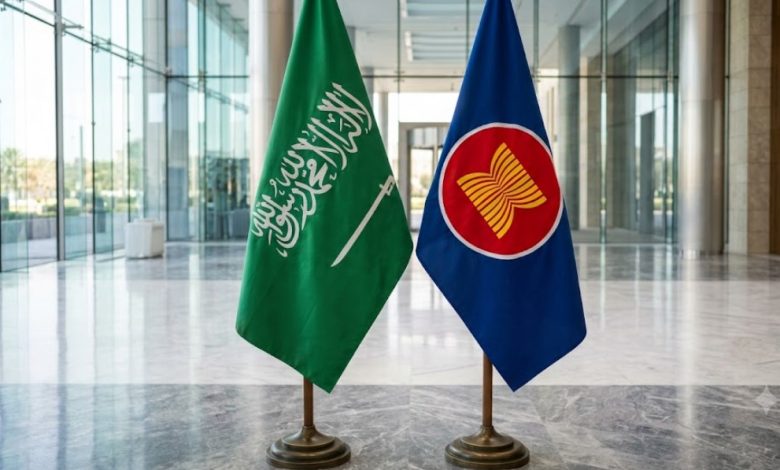
Saudi Arabia is stepping up its diplomatic and economic presence in the East as it consolidates ties with Association of Southeast Asian Nations (ASEAN). During the Treaty of Amity and Cooperation (TAC) Conference in Manila, Saudi Deputy Foreign Minister Waleed Al-Khuraiji outlined the core principle defining Riyadh’s foreign policy: economic partnership coupled with preventive diplomacy.
As global geopolitical rivalries intensify, the growing alliance between Saudi Arabia and Southeast Asia is establishing a new blueprint for middle-power diplomacy – one where security and economic growth reinforce each other at every step.
Diplomacy in Manila
The Big Picture: Al-Khuraiji delivered the Kingdom’s speech at the TAC Conference in Manila, the Philippines, on behalf of Saudi Foreign Minister Faisal bin Farhan. He highlighted the growing importance of bolstering dialogue, boosting mutual trust, and expanding regional cooperation.
The Context: He also emphasized Saudi Arabia’s commitment to upholding its principles under the TAC by strengthening multilateral cooperation, enhancing preventive diplomacy, safeguarding freedom of navigation, and reinforcing dialogue as the preferred means of resolving disputes.
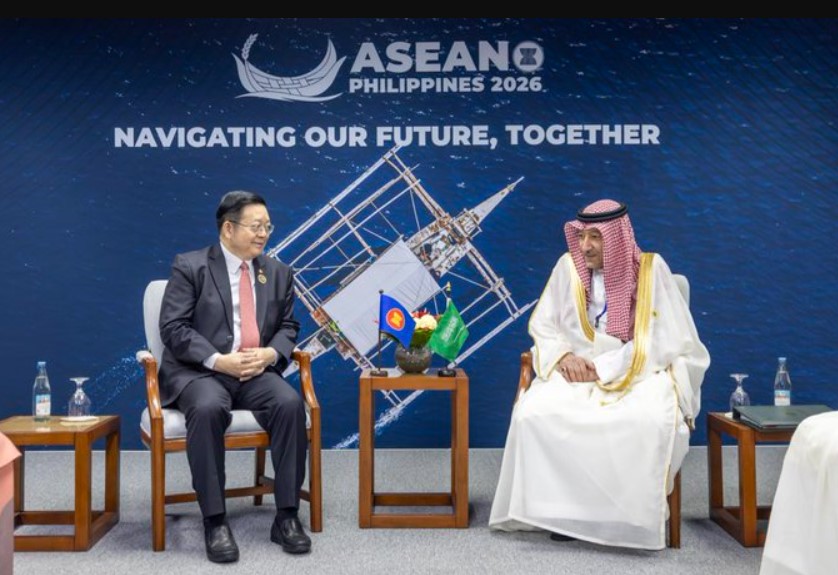
Backstory: The conference took place amid escalating military tensions in the Middle East, in light of Iran’s blatant attacks against oil tankers and civilian infrastructure in the Gulf States and Houthi military escalation in Yemen and the Red Sea.
State of Play: Al-Khuraiji reiterated Saudi Arabia’s commitment to dialogue, diplomacy, and de-escalation as the only viable path to enduring peace and regional stability. In light of this, he reaffirmed the Kingdom’s condemnation of Iran’s unlawful attacks against the Gulf, emphasizing the right of these states to defend themselves under Article 51 of the UN Charter.
Moreover, he condemned the Houthis’ false claims accusing Saudi Arabia of imposing a blockade on Yemen. He also denounced the Iranian-backed militia’s repeated attacks on civilian and critical infrastructure, which threaten regional stability, stressing the Kingdom’s unwavering support for Yemen’s legitimate government and people.
Saudi-ASEAN Ties
Between the Lines: Al-Khuraiji commended ASEAN’s vital role in promoting peace, stability, and prosperity, praising the progress made during recent ASEAN summits in advancing economic integration and tackling common regional and global challenges.
Worth a Mention: ASEAN comprises 11 member states: Brunei Darussalam, Cambodia, Indonesia, Laos, Malaysia, Myanmar, the Philippines, Singapore, Thailand, Timor-Leste, and Vietnam.
What to Watch: The Saudi Deputy Foreign Minister underscored the Kingdom’s firm commitment to deepening its partnership with ASEAN by expanding on the outcomes of the GCC-ASEAN summits. He highlighted the two regions’ massive potential for unlocking new growth opportunities while enhancing resilience and advancing their shared interests.
What He Said: “Saudi Vision 2030 prioritizes cooperation over confrontation, positioning economic partnership as a driver of lasting peace and shared prosperity.” — Waleed Al-Khuraiji, Deputy Foreign Minister.
Saudi-ASEAN Alignment
Why It Matters: Saudi Arabia and ASEAN represent two ends of a single economic artery. The Kingdom overlooks two crucial waterways: the Arabian Gulf and the Red Sea, while ASEAN nations surround the Malacca Strait and South China Sea. As Saudi Arabia is the primary energy anchor for Asia, and Southeast Asia is a key manufacturing hub, any disruption in those maritime chokepoints cripples supply chains across the two regions.
State of Play: Saudi Arabia has bolstered its logistical infrastructure and transport networks to connect the Gulf to the Red Sea ports in order to maintain the steady flow of energy and trade between the Middle East and Asia.
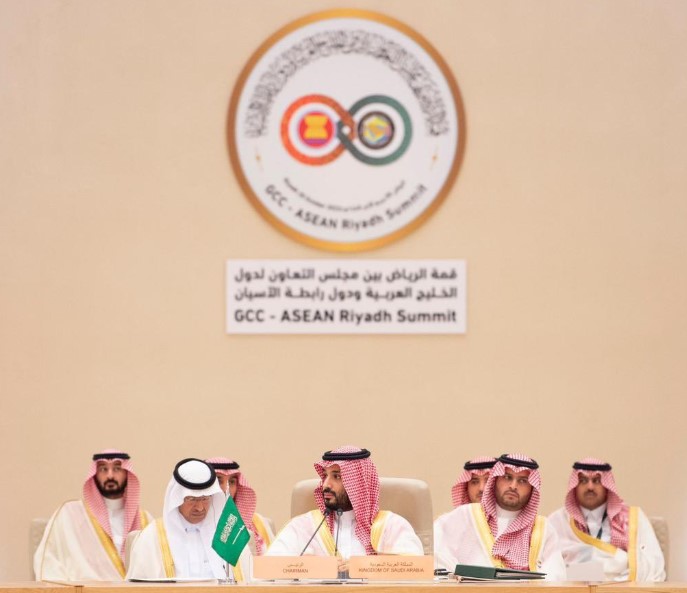
The Pivot: In July 2023, Saudi Arabia signed the TAC, becoming the 51st signatory of the treaty. With this move, the Kingdom joined an array of major countries entering the treaty, including China, India, the US and the EU.
What to Know: Signed in 1976 by ASEAN members, the TAC is a legally-binding peace agreement that sets guidelines for regional relations. It emphasizes mutual respect for sovereignty, territorial integrity, national identity, and non-interference in internal affairs.
The Strategy: Under Vision 2030, Saudi Arabia prioritizes pragmatic, balanced diplomacy that focuses on economic development, which perfectly aligns with ASEAN’s values of consensus, non-interference in domestic affairs, and mutual respect for national identity.
The Broader Context
The strategic alignment between the Kingdom and ASEAN was further reflected in the relations between the bloc and the Gulf Cooperation Council (GCC). In October 2023, Riyadh hosted the inaugural GCC-ASEAN Summit, during which the two blocs agreed to establish the GCC-ASEAN Framework of Cooperation (2024-2028).
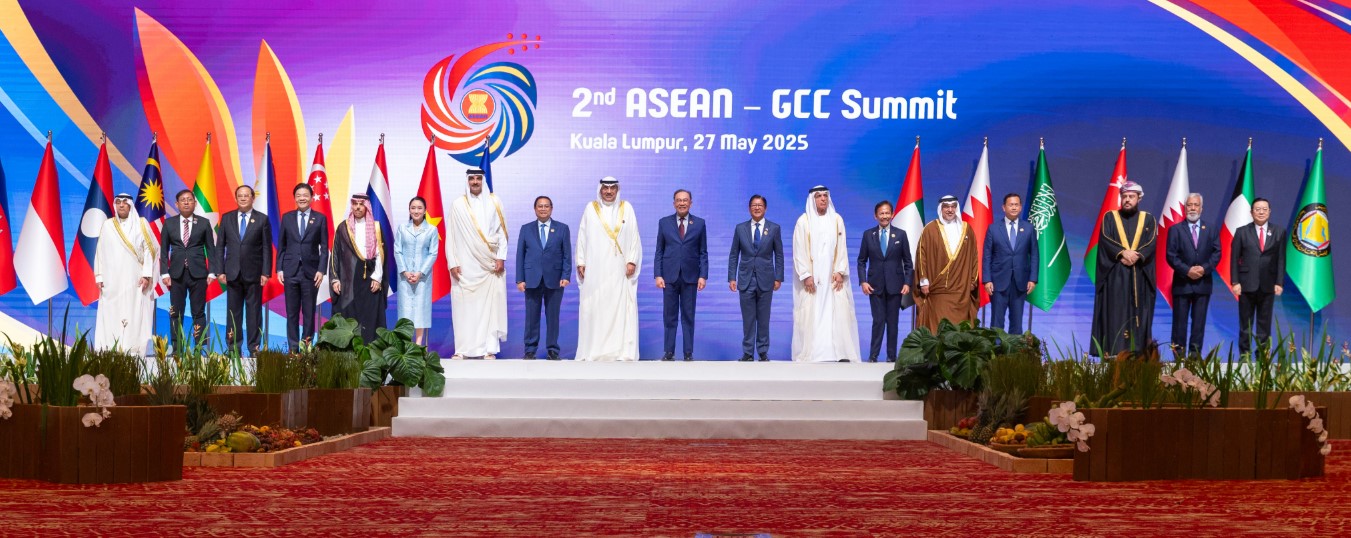
The agreement prioritizes regional stability, trade, and maritime security. Furthermore, it safeguards freedom of navigation and peaceful dispute resolution while committing to resilient supply chains, digital transformation, and joint investments in renewables and logistics across both regions.
The Economic Engine
Deep Dive: Economic partnership is a key pillar underlying the growing alignment between Saudi Arabia and ASEAN member states. Southeast Asia has emerged as a major destination for non-oil trade diversification and investment, in line with the objectives of Saudi Vision 2030.
Beyond traditional energy exports, the Kingdom serves as a hub for high-growth sectors including petrochemicals, logistics, digital innovation, agricultural food security, and renewable energy.
State of Play: The GCC and ASEAN are expanding their economic alliance through the 2024–2028 Framework of Cooperation to diversify supply chains, deepen market integration, and explore a bilateral Free Trade Agreement (FTA).
The partnership focuses on key sectors like halal products, Islamic finance, logistics, healthcare, and clean energy, backed by investments from sovereign wealth funds. Additionally, both regions are advancing digital transformation, including AI and smart cities, while supporting MSMEs and inclusive economic growth for women and youth.
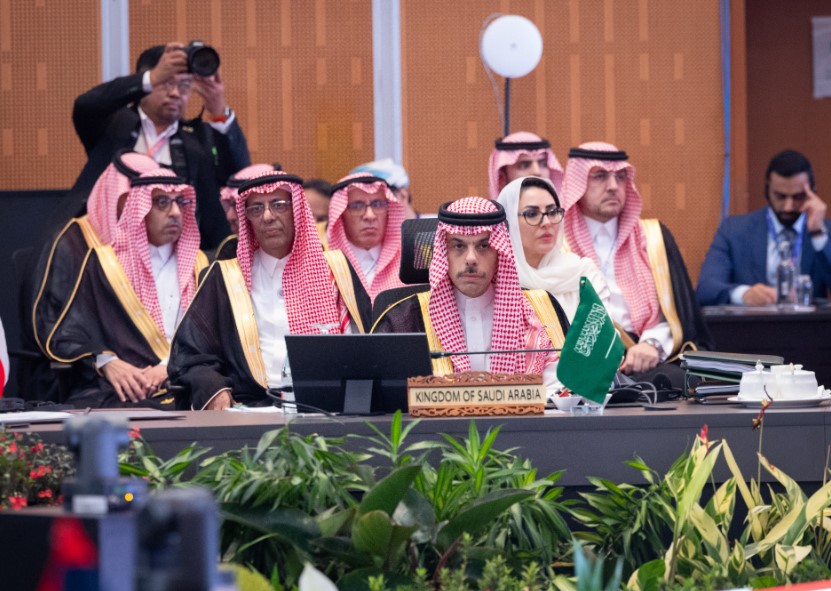
The Bottom Line: Saudi Arabia’s deepening engagement with ASEAN reflects a calculated shift toward Asia as a strategic economic and diplomatic pillar, reinforcing Riyadh’s role as a key bridge between the Middle East and Asia under Vision 2030.
By the Numbers
- 7th: GCC’s rank as ASEAN’s largest trading partner in 2023.
- 16th: GCC’s rank as a source of Foreign Direct Investment (FDI) into ASEAN in 2023.
- $130.7 billion: Total bilateral trade volume recorded in 2023.
- $75.7 billion: Total GCC export value to ASEAN markets.
- $390.2 million: Total FDI inflows from the GCC to ASEAN in 2023.
- 30%: Anticipated average growth in trade value between the two regions.
- 31%-36%: Saudi Arabia’s share of total GCC–ASEAN trade, making the Kingdom the second-largest Gulf trade partner for ASEAN.
- $41 billion: Estimated Saudi-ASEAN bilateral trade.