Diplomacy vs. Deterrence: The US Strategy to Reassure Gulf Allies amid Iran Talks
As the US pursues negotiations with Iran to secure a comprehensive peace agreement, Washington has repeatedly sought to reassure its Gulf allies of its steadfast commitment to their security and sovereignty.
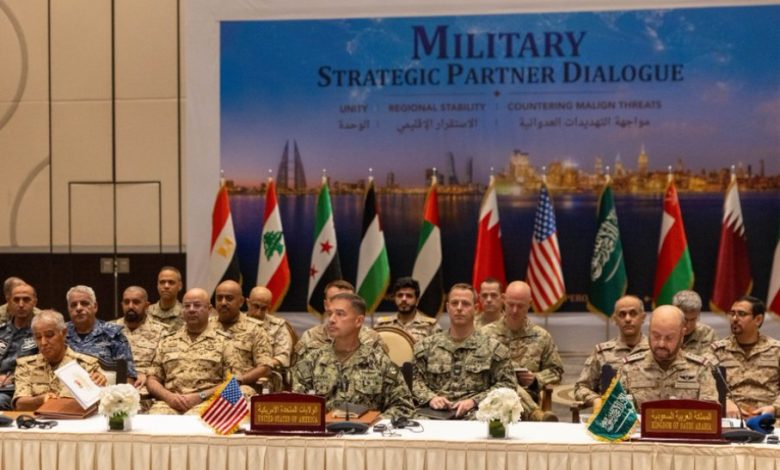
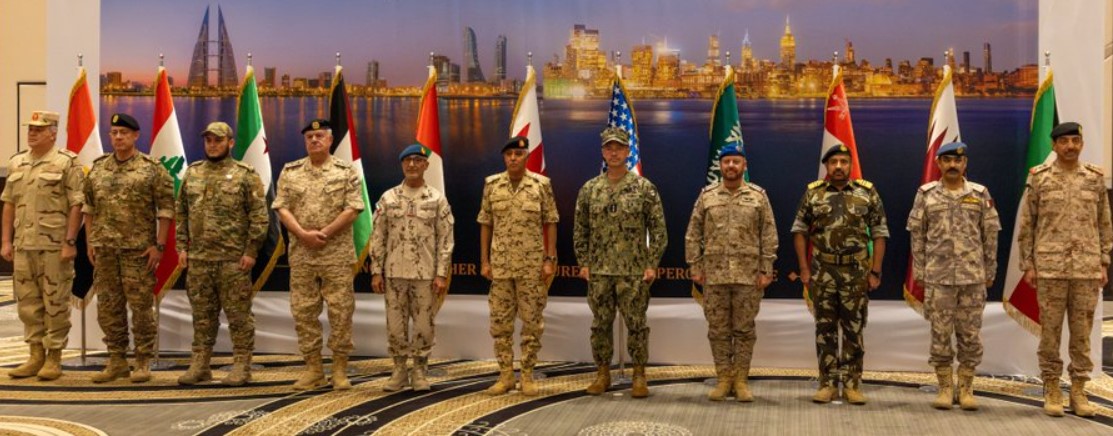
Against this backdrop, US Central Command (CENTCOM) Commander Admiral Brad Cooper met with military leaders from across the Middle East in Bahrain for high-level regional security talks focusing on securing maritime corridors and boosting defense cooperation.
Security Dialogue in Bahrain
The Bahrain Defense Force hosted a high-profile meeting on July 1, convening the CENTCOM commander and senior military officials from 11 partner nations, including Saudi Arabia, Bahrain, Egypt, Jordan, Kuwait, Oman, Qatar, the UAE, and Yemen.
For the first time, Lebanon and Syria took part in a US-led security summit.
According to a press release by CENTCOM, the meeting focused on discussing the current regional security environment and opportunities for enhancing defense collaboration across the region.
Why It Matters
The regional security dialogue convened at a critical juncture for the Middle East. It came on the heels of indirect technical talks between the US and Iran, with Qatari and Pakistani mediation, to reach a final peace agreement.
Following the outbreak of the US-Israeli war with Iran on February 28, Gulf States came under direct Iranian missile and drone strikes targeting civilian infrastructure, including commercial ports, airports, desalination plants, and energy facilities, despite maintaining strict neutrality in the conflict.
Washington and Tehran signed a preliminary deal, known as the Islamabad Memorandum of Understanding (MoU) in mid-June, to end hostilities, reopen the Strait of Hormuz, and launch a 60-negotiation period to discuss disputed issues and secure a comprehensive agreement.
Between The Lines: Saudi Arabia and Gulf States welcomed the US-Iran MoU as a significant step toward ending the conflict and opening the pathway toward resolving many of the outstanding disputes, most notably the nuclear issue.
However, concerns remain high as the MoU leaves several disputed issues unaddressed, including Iran’s support for non-state armed groups and its ballistic missile program.
With regard to this, Saudi Foreign Minister Prince Faisal bin Farhan emphasized that the US-Iran talks need to address the broader regional security concerns to secure a sustainable agreement.
US Prioritizes Gulf Security
The US has placed great emphasis on its security partnership with the Gulf Cooperation Council (GCC) countries. Since the launch of the negotiations, Washington has repeatedly reassured its allies of its unwavering commitment to their security and sovereignty.
“We continue to stand shoulder to shoulder with our regional partners. The discussions underscored our shared commitment to regional security and stability,” Cooper said during the Manama regional security dialogue.
The CENTCOM commander’s remarks echoed those of US Secretary of State Marco Rubio, who also reiterated full alignment with Gulf partners on regional security. “We’re going to be completely aligned with our partners in the Gulf,” he said during a recent Gulf tour to the UAE, Kuwait and Bahrain.
Rubio, who also serves as the US Acting National Security Adviser, stressed that Washington is “not going to do anything that undermines the security of our allies, our longstanding allies in the region.”
Furthermore, a GCC-US Ministerial Meeting in Manama focused on underscoring Washington’s support for its Gulf allies and their interests. “The message that I come with is that we want to ensure that any decisions that are made throughout this negotiating process, the interests of our partners and our allies in the region are always taken into account,” Rubio affirmed.
“There is no part of this deal that’s undertaken that in any way undermines the security, the stability, or the prosperity of any of our partners in the Gulf region,” he added.
What About the Strait of Hormuz?
The Strait of Hormuz – a critical maritime corridor through which a fifth of global oil and gas supplies pass – has been one of the major sticking points in the US-Iran talks, with sporadic clashes erupting over the waterway.
The Flashpoint: The Islamabad MoU states that Tehran “will make arrangements using its best efforts for the safe passage of commercial vessels through the waterway” for the 60-day period of negotiations.
The fifth provision of the agreement notes that Iran and Oman will hold discussions with other Gulf littoral countries to “define the future administration and maritime services in the Strait of Hormuz.”
Tehran has already leveraged this point, suggesting it will have full control over the waterway and impose permanent shipping tolls.
However, the US and Gulf allies emphasize that Hormuz is an international waterway, maintaining a unified position on opposing any tolls or fees on shipping.
This was made clear during the regional security dialogue in Bahrain, as leaders underscored their shared commitment to the free flow of commerce through the Strait of Hormuz.
US-Gulf Shared Defense
The American reassurances have also extended to the military and defense domain. According to CENTCOM, the US and regional partners operate the world’s most sophisticated and largest active air and missile defense umbrella across the Middle East.
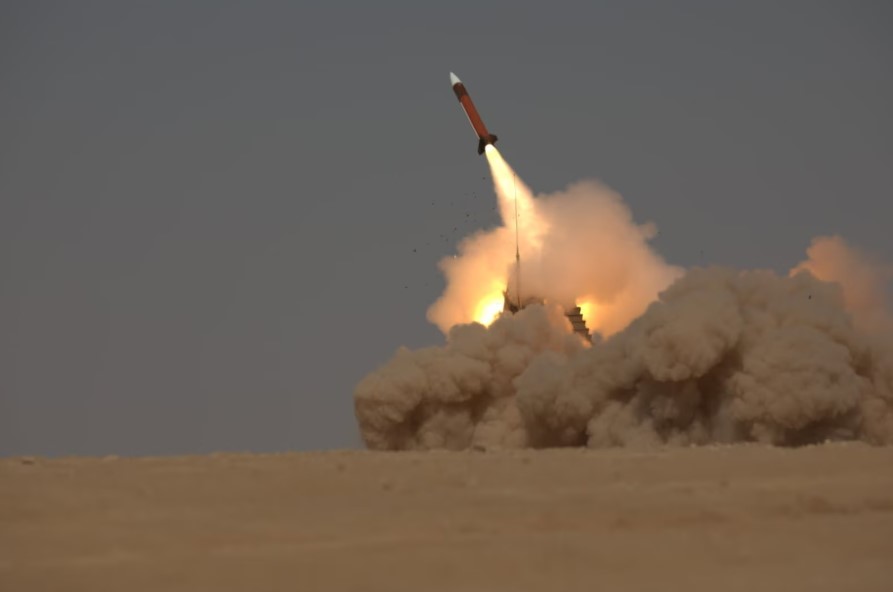
In early 2026, CENTCOM and regional partners formalized the new Middle Eastern Air Defense – Combined Defense Operations Cell (MEAD-CDOC) in Qatar.
This coordination cell’s main goal is to enhance coordination and integration for air and missile defense efforts among regional partners. It also aims to boost sharing information and threat warnings as well as responding to contingencies.