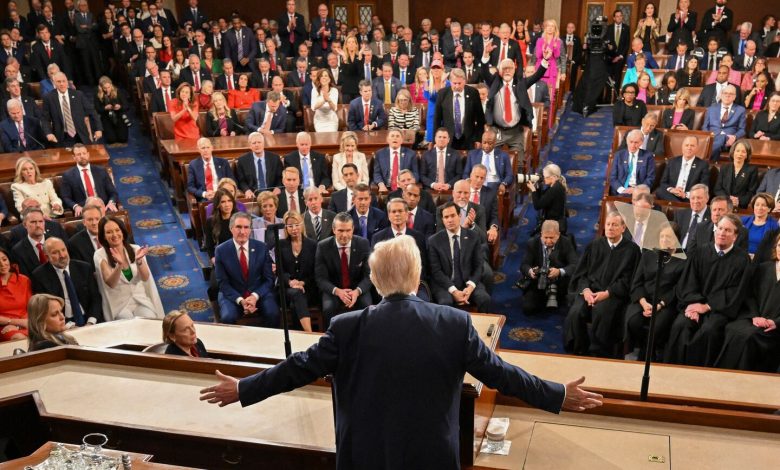
The US Senate approved on Tuesday a resolution instructing President Donald Trump to halt military operations in Iran or seek congressional authorisation before continuing, marking the first time both chambers of Congress have passed such a measure since the War Powers Resolution of 1973.
In the 50-48 vote, a handful of Republicans broke with the president to join Democrats in supporting the concurrent resolution. The House of Representatives approved the same measure earlier this month, with four Republicans crossing the aisle in a 215-208 vote.
However, the resolution carries no legal weight. Unlike binding legislation, a concurrent resolution expresses the will of Congress but does not go to the president for signature. A White House official said the 7 April ceasefire had rendered the measure moot, arguing there are no active hostilities from which to withdraw US forces.
Trump Hits Back as Divisions Widen
Trump wasted no time in dismissing the vote, he wrote on Truth Social, “So, I have Iran on the ‘ropes,’ ready to go down for the fall… and the US Senate decides to have a poorly timed and meaningless War Powers Act Vote”. He added, “These Senators have just made my job more difficult, but I will get it done, one way or the other.”
Middle East analyst Laura Blumenfeld described the resolution as “more of a slap on the wrist than a handcuff, because it has no legal binding.” Nevertheless, she said that it reflects “the American people’s sentiments.”
The vote adds to mounting pressure on the White House as the Iran conflict, now approaching its fifth month, grows increasingly unpopular, particularly after a spike in petrol prices. The same day, the Pentagon requested approximately $80 billion from Congress, the bulk of which covers war costs.
Ceasefire Talks Underway
Federal law requires congressional approval for military actions lasting more than 60 days. US-Israeli strikes on Iran began on 28 February, though the Trump administration contends April’s ceasefire reset that clock.
Under a memorandum of understanding signed last week by both presidents, Washington and Tehran now have 60 days to negotiate a broader deal on Iran’s nuclear program. Four Republican senators, Rand Paul, Lisa Murkowski, Susan Collins and Bill Cassidy, backed the resolution, while Democrat John Fetterman cast the sole vote against it from his party.