Senior political advisor to the Rapid Support Forces (RSF) Fares Al-Nour Ibrahim has recently defected, dealing a major new blow to the paramilitary group.
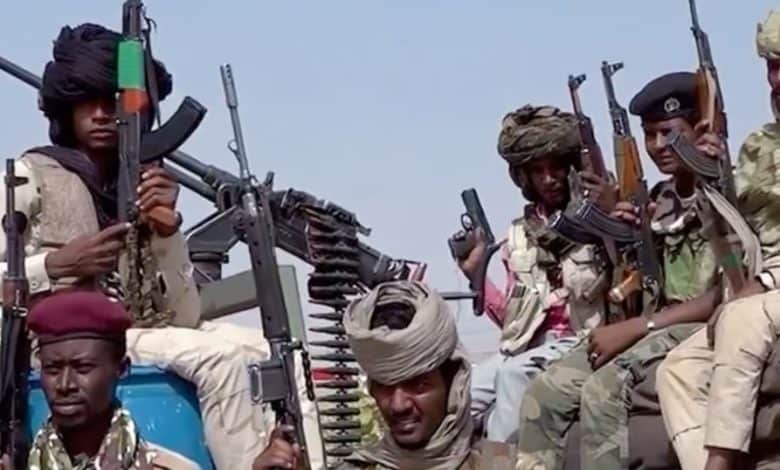
The RSF has been increasingly rattled by a wave of defections, with several high-profile military commanders switching sides and aligning with the Sudanese army.
Hemedti’s Advisor Defects
According to Al-Arabiya, citing sources, Fares Al-Nour Ibrahim defected from the ranks of the RSF, delivering a major blow to the paramilitary’s political structure.
Al-Nour Ibrahim served as a political advisor to the RSF’s leader Mohamed Hamdan Dagalo (Hemedti) for several years. He was the head of the negotiation team on behalf of Hemedti in the Jeddah talks.
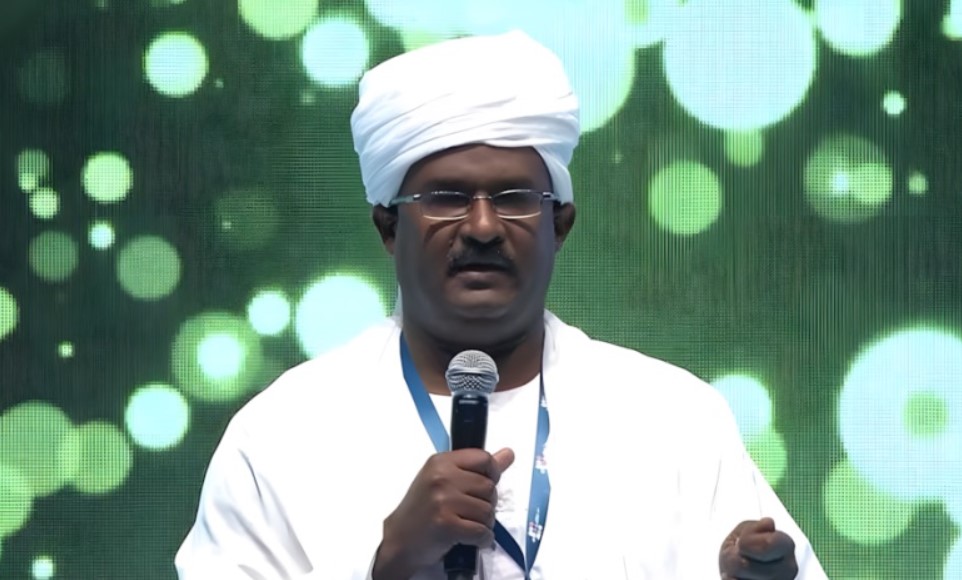
Moreover, Fares Al-Nour Ibrahim was a member of the Presidential Council of the RSF-aligned Ta’sis Alliance. He was also appointed as governor of Khartoum in the unrecognized parallel government announced by the RSF in July 2025.
RSF Ranks Shaken
The defection of Al-Nour Ibrahim adds to a series of departures that have hit the paramilitary’s ranks in recent weeks. In May 2026, RSF’s field commander Brig. Ali Rizqallah, widely known as Savannah, defected to the Sudanese Armed Forces (SAF).
In a harsh criticism, he exposed the RSF’s internal corruption and ties to the UAE, vowing to drive the paramilitary out of Kordofan and Darfur.
Savannah’s defection followed the departure of Major General Al-Nour Ahmed Adam, also known as Nour Al-Qubba, who announced his alignment with the Sudanese army.
Other defections among the paramilitary’s ranks included field commander Bishara Al-Huwaira, who defected in North Kordofan, and commander of the Sudan Shield Forces Abu Aqla Keikel, who left the group in late 2024.
El-Obeid Offensive
The RSF is bracing for a large-scale ground offensive against El-Obeid, the capital city of North Kordofan state, military sources told Sudan Tribune on Monday.
The sources said that the paramilitary group has deployed unprecedented military reinforcements toward the outskirts of the strategic city, amid expectations of a major ground attack in the upcoming 72 hours.
The Sudanese army broke the RSF’s months-long siege of El-Obeid in February 2025, turning the city into a forward military operations center for the Kordofan and Darfur regions.
Meanwhile, the RSF controls vast swathes of North Kordofan except for the Sheikan, Um Rawaba, and Al-Rahad localities situated along the national highway connecting North Kordofan to White Nile State and the capital, Khartoum.
According to the military sources, the RSF mobilized a vast contingent of fighters from the Darfur and West Kordofan regions, reinforced by armor and heavy combat assets, to strike at the army’s defensive perimeters encircling the city.
In light of this, the Sudanese air force continues to conduct airstrikes targeting the positions and movements of forces surrounding the city, in an effort to disperse the gatherings and hinder any potential advance toward El-Obeid.
Sudan Conflict
The war in Sudan broke out in April 2023 between the Sudanese Armed Forces (SAF) and the paramilitary Rapid Support Forces (RSF), triggering what the UN called “the world’s largest humanitarian and displacement crisis.”
So far, the conflict has killed at least 59,000 people and left around 11,000 missing. It has also displaced 14 million people in Sudan and neighboring countries.
Currently, the SAF controls 13 out of Sudan’s 18 states, consolidating its grip on Sudan’s south, north, east and center, including the capital Khartoum.
Meanwhile, the RSF holds all five states of the Darfur region in the west, except for some northern parts of North Darfur that remain under the SAF control, as well as West Kordofan state and significant portions of South Kordofan, North Kordofan, and the Blue Nile region.