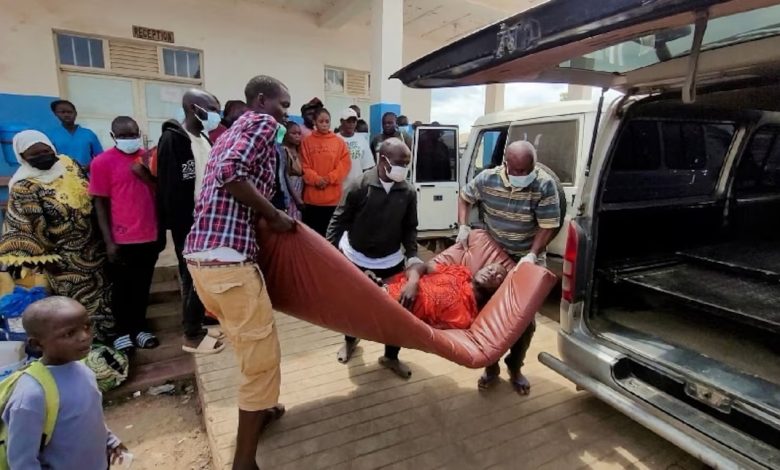
The World Health Organisation (WHO) declared the Ebola outbreak in the Democratic Republic of Congo (DRC) and Uganda a public health emergency of international concern on Sunday, citing 80 suspected deaths, 246 suspected cases, and nine laboratory-confirmed infections.
The outbreak, caused by the Bundibugyo virus strain, does not meet the criteria of a pandemic emergency. Nevertheless, the WHO warned that countries sharing land borders with the DRC face a high risk of further spread. As a result, the agency urged all affected nations to activate national emergency-management mechanisms and introduce cross-border screening.
A Highly Contagious Strain
What makes this outbreak especially alarming is the absence of approved Bundibugyo-specific vaccines or therapeutics. Unlike the Zaire strain, which caused all but one of the DRC’s previous 16 outbreaks and does have approved vaccines, the Bundibugyo virus currently offers no targeted medical countermeasures. The WHO therefore describes this outbreak as “extraordinary.”
Consequently, the agency estimates the true scale of infections may be far larger, given the high positivity rate of initial samples and the rapidly rising number of suspected cases across at least three health zones in Ituri province, including Bunia, Rwampara, and Mongbwalu.
Cross-Border Cases Heighten Regional Concern
International spread is already underway, as authorities in Uganda’s capital, Kampala, confirmed two apparently unrelated cases, including one death, in travellers arriving from the DRC. Additionally, a confirmed case appeared in Kinshasa, the Congolese capital, in a person returning from Ituri province. A ninth case was confirmed in the eastern city of Goma.
The WHO advises that contacts or confirmed cases of Bundibugyo virus disease avoid international travel, except for medical evacuation, and remain under daily monitoring for 21 days following exposure.
Importantly, however, the WHO urged governments not to close borders or restrict trade. Such measures, the agency cautioned, could push people and goods toward unmonitored informal crossings, ultimately worsening containment efforts.
Ebola spreads through direct contact with the bodily fluids of infected individuals or the deceased. Symptoms, including fever, headache, vomiting, and diarrhea, appear between two and 21 days after infection, with a fatality rate of 30 to 50 % in previous Bundibugyo outbreaks.