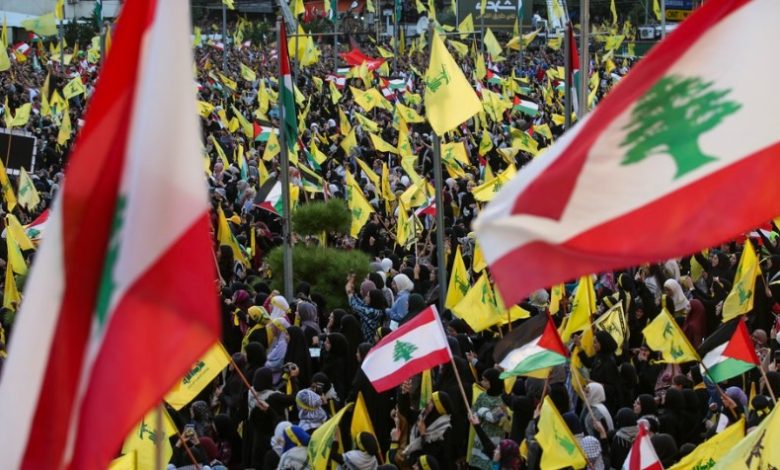
Israel warned on Thursday that Hezbollah leader Naim Qassem would pay an “extraordinarily heavy price” for launching rocket attacks during the Jewish holidays.
Lebanon has been drawn into the ongoing US-Israeli war with Iran after the Iranian-backed Hezbollah decided to join the fighting in retaliation for the killing of Iran’s Supreme Leader Ali Khamenei on February 28, 2026.
Heavy Price for Qassem
Israeli Defense Minister Israel Katz vowed that Naim Qassem and Hezbollah would pay an “extraordinarily heavy price” for escalating attacks on Israel during the holidays.
“I have a clear message for Naim Qassem… you and your associates will pay an extraordinarily heavy price for the intensified rocket fire directed at Israeli citizens as they gathered to celebrate Passover Seder,” Katz warned in a video statement.
The Israeli Minister said that Qassem would join other leaders from Hezbollah, Hamas and Iran, whom Israel assassinated over the past two and half years.
“You will be consigned to the depths of hell alongside Nasrallah, Khamenei, Sinwar and the other fallen figures of the axis of evil,” Katz said, adding that Hezbollah and its supporters in Lebanon “will bear the full and severe consequences.”
Hezbollah Rockets on Israel
Hezbollah claimed it had launched a series of rocket attacks on northern Israel late Wednesday and early Thursday, coinciding with the Jewish Passover holidays.
On Thursday, the Israeli military said that the Lebanese group fired around 80 rockets at Israel, with one barrage hitting an empty kindergarten in the northern town of Nahariya, causing no injuries, according to the Associated Press (AP).
In his statement, Katz noted that Israeli forces “will clear Hezbollah and its supporters from southern Lebanon, maintain Israeli security control throughout the Litani area, and dismantle Hezbollah’s military capabilities across Lebanon.”
Israel-Hezbollah Fight
Hezbollah and Israel signed a ceasefire in 2024 to end hostilities, despite frequent Israeli violations to the agreement. However, the truce collapsed on March 2 when the Lebanese group opened fire at Israel in retaliation for the killing of Khamenei.
Israel responded with heavy airstrikes across Lebanon and a ground incursion into border areas. So far, Israeli strikes on Lebanon have killed 1,345 people, including 125 children and 91 women, and injured 4,040 others.
According to Lebanon’s Health Ministry, this figure includes 53 health workers killed as Israeli strikes have targeted 82 emergency medical service facilities.
Meanwhile, the conflict has displaced more than one million Lebanese as Israeli troops continue their invasion into southern Lebanon.
No End in Sight
The Lebanese Prime Minister, Nawaf Salam, said on Thursday that Lebanon is victim to war of others, with no apparent end in sight to the ongoing conflict.
“Nothing reinforces linking the conflict on our land to the wars of others” more than reports of “joint and simultaneous operations,” he said, referring to Hezbollah operations, undertaken in coordination with Iran.
“Lebanon has become a victim of a war – one whose outcomes and end date no one can predict,” he added during a public statement following a cabinet session.
Furthermore, Salam warned that Israeli military actions reveal “far-reaching goals” in Lebanon, including “a significant expansion in the occupation of Lebanese territories, dangerous talk about establishing buffer zones or security belts, and the displacement of more than one million Lebanese.”
Last week, Israel announced that it would expand a “buffer zone” up to the Litani River, effectively occupying an estimated 10% of Lebanon. Prime Minister Benjamin Netanyahu said Sunday that he mandated an expansion of the military’s existing security zone to counter Hezbollah rocket fire.
In light of this, Salam urged for intensifying diplomatic efforts to bring the war to an end. “We will spare no effort to mobilize Arab and international support,” he said.