Saudi Arabia’s trade balance achieved a substantial surplus of SAR 22.3 billion in November 2025, according to official government data, with his impressive figure represents a 70.2% increase compared to the SAR 13.1 billion surplus recorded in November the previous year. Furthermore, the trade balance grew by 5.2% on a monthly basis, adding SAR 1.1 billion since October 2025 alone.
Total international trade reached SAR 177.1 billion during this period, fueled by merchandise exports valued at nearly SAR 99.7 billion. Meanwhile, petroleum exports exceeded SAR 67 billion, which accounted for approximately 67.2% of the Kingdom’s total merchandise export value. This performance marks a 5.4% annual increase in oil revenues, rising by more than SAR 3 billion since last year.
Non-oil national exports also showed resilience, totaling SAR 18.9 billion and representing 19% of the country’s overall merchandise exports. This growth reflects a 4.7% year-on-year increase, signaling steady progress in the Kingdom’s efforts to diversify the national economy. Additionally, re-exports surged by 53.1% to reach SAR 13.7 billion, highlighting Saudi Arabia’s growing role as a regional logistics hub.
Key Global Trading Partners
Asian countries remained the primary destination for Saudi goods, absorbing 75.2% of total exports with a value of SAR 74.9 billion. China specifically retained its position as the largest individual trading partner, accounting for 13.5% of total exports during November. European nations followed as the second largest market at 9.7%, while American countries represented 7.5% of the total export share.
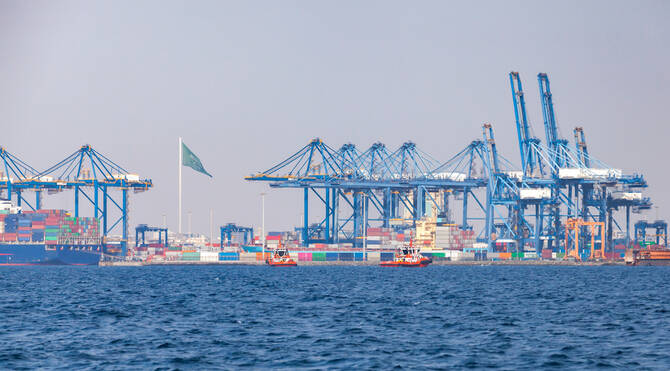
Non-oil goods passed through 31 different land, sea, and air customs ports with a combined value of SAR 32.7 billion. King Abdulaziz International Airport in Jeddah recorded the highest activity, processing goods valued at SAR 5.6 billion during the month. Jeddah Islamic Port followed closely behind, handling SAR 3.6 billion in trade as the Kingdom continues to enhance its infrastructure.