
On June 22, the US intervened in the Iran-Israel conflict, striking three nuclear facilities in Iran, namely Fordo, Natanz and Isfahan, using bunker-buster bombs and Tomahawk missiles.
The US President, Donald Trump, insisted that the US strikes had set Tehran’s nuclear program back “decades,” adding that Iran’s key nuclear enrichment facilities were “completely and totally obliterated.” However, there are reports suggesting the Israeli and US strikes have not completely destroyed Iran’s nuclear program.
In the light of this, recent US assessments suggest that Washington has up to a year before it will be forced to take action against Iran’s nuclear program, Al-Hadath TV reported, citing its sources.
The sources added that the US does not want to give Iran the chance to restore its nuclear power.
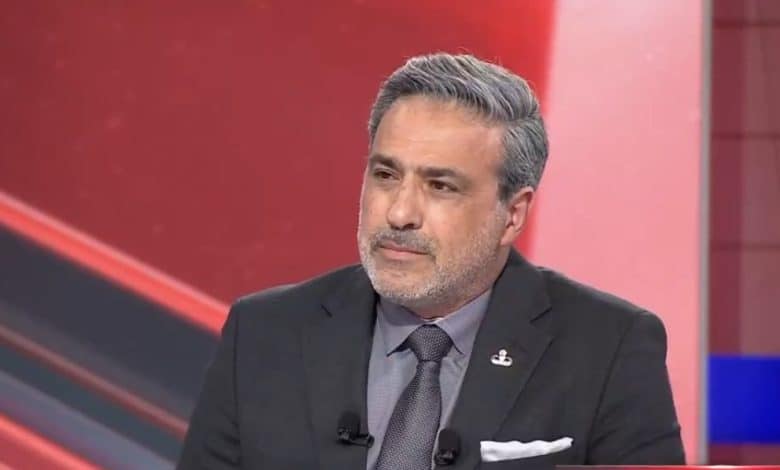
Within this context, the Former Senior Military Advisor to US Department of State, Colonel (Ret.) Abbas Dahouk, believes that the US strikes did not completely destroyed Iran’s nuclear capabilities and that Washington has a bank of targets it could strike to prevent Tehran from possessing a nuclear weapon.
One-Year Deadline
Commenting on Al-Hadath’s report, Col. Dahouk said: “Based on the damage assessment of the US strikes on Iranian nuclear sites, namely Fordo, Natanz and Isfahan, it seems that these sites were not completely destroyed.”
He suggested that the US thinks that a year is enough “if the Iranian did not change their calculations or sought to rebuild these sites. If they did that, the US would repeat the strikes.”
Nuclear Calculations
Col. Dahouk said that the nuclear technology and knowledge are hard to destroy by military strikes. “It is clear that Iran has the nuclear technology, even though that Israel assassinated top Iranian nuclear scientists – a major hit for Iran,” he noted.
“But in the end, no one benefits. The US favors diplomatic settlement but it doesn’t seem available now. Iran is under harsh sanctions and pressure. The US wants to impose more, and the military solution seems to be the last option. And this is what the US and Israel tried to do, and pressures continue on Iran to push it toward changing its nuclear calculations,” he said.
Snapback Sanctions
Asked whether the snapback mechanism could influence Tehran’s calculations or if Washington would need to pursue a new negotiation mechanism, Col. Dahouk said the US prefers diplomacy but Washington and Tehran have diverging red lines in negotiations.
“Washington and President Trump are ready for diplomatic settlement. They want to embrace the diplomatic path but the red lines are different between the US and Iran,” he said.
“The US doesn’t want Iran to possess any enrichment capabilities, but Iran wants to keep its right to enrichment. Therefore, there are some conditions that Iran doesn’t want to accept. I think here lies the problem and I think that Iran has some enriched uranium with unknown whereabouts. But the main issue is uranium enrichment. The US will not allow Iran to enrich but Iran wants to keep that right. This is the dilemma,” he explained.
Iran Nuclear Facilities
The Former Senior Military Advisor said that the one-year deadline is an indication that Iran’s nuclear program was not completely destroyed. “The recent US assessment suggests that the strikes have set back the program few years,” Col. Dahouk noted.
“But what lies underground is still unknown, especially the 400 kg of 60%-enriched uranium, and the condition of the centrifuges, whether they have been destroyed or not. So, the US strikes had some impact but they didn’t destroy Iran’s nuclear sites, particularly Natanz and Isfahan where facilities above the ground were destroyed but underground ones remained intact,” he added.
Potential Targets
Col. Dahouk explained that Iran has several sites, other than the three nuclear sites hit in the recent strikes, that could be on the US’ target list. “No, there are other sites that support the Iranian nuclear program. Some of these sites could be a potential target for US strikes,” he pointed out.
Moreover, “sites that were not completely destroyed could be hit again. I think that Iran’s missile program could be also targeted, as well as other facilities. The US has a bank of military targets it could strike,” Col. Dahouk said.