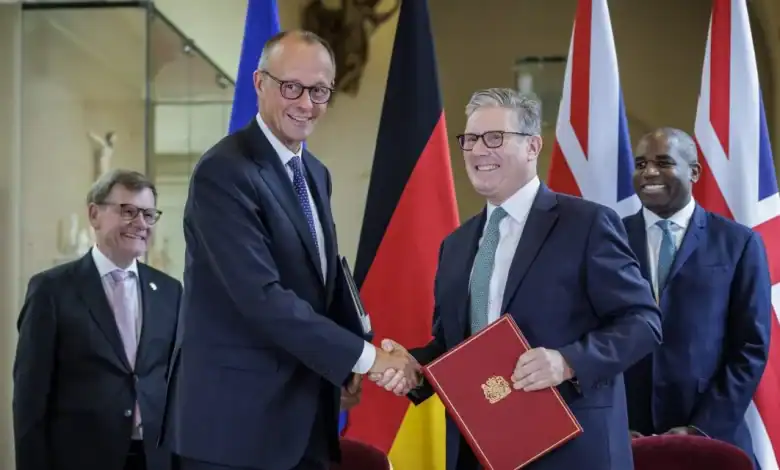
In a landmark moment for European security, UK Prime Minister Keir Starmer and German Chancellor Friedrich Merz signed a comprehensive friendship and cooperation treaty in London. This agreement strengthens law enforcement and defence ties, reflecting a shared commitment to confront pressing challenges, particularly organized crime and rising strategic threats.
A top priority for the Starmer government involves addressing the criminal gangs behind dangerous small-boat crossings from France. In 2024, authorities detected approximately 37,000 individuals making the perilous journey across the English Channel. Alarmingly, over 20,000 more crossed in the first half of 2025.
The new treaty builds on Germany’s pledge to criminalize the facilitation of smuggling. Chancellor Merz has committed to enacting this legislation by year’s end. This move will strengthen British and German efforts to disrupt criminal supply lines and save lives.
A Commitment to Mutual Defence
The treaty evolves from last year’s defence pact and signifies a significant UK-German commitment to mutual defence, which includes a mutual assistance clause: if either nation faces a direct threat, the other will provide support.
Moreover, the agreement paves the way for joint export campaigns for defence equipment, including Boxer armoured vehicles and Typhoon jets. Additionally, both nations will collaborate on developing a next-generation precision strike missile. Bilateral investment deals are expected to further bind Europe’s two largest economies and major supporters of Ukraine.
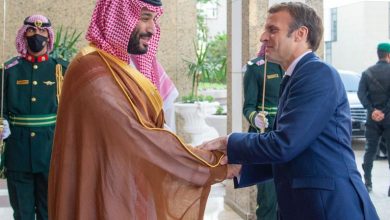
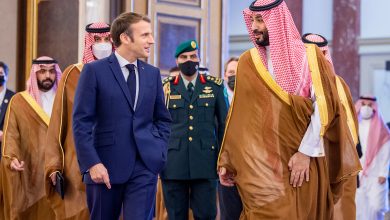
As the UK and Germany renew their partnership, France continues to assert its influential role in European defence. President Emmanuel Macron consistently champions both French and European strategic autonomy by investing in independent intelligence, procurement, and operational capabilities.
France leads several ambitious multinational defence initiatives, emphasizing the need for Europe to act independently when necessary. Macron strives to reduce dependency on external powers while calling on partners to develop a “credible strategic concept” for Europe’s security. This concept aligns with NATO but enables Europeans to take the lead in their defence when required. Notably, France’s nuclear deterrent remains a crucial cornerstone of the continent’s security architecture.
Increased Defence Spending
In response to rapidly evolving threats, Macron has unveiled an unprecedented acceleration in French defence spending. The French military budget is set to double compared to 2017 levels, reaching €64 billion by 2027—three years ahead of schedule.
This “historic and proportionate” effort positions France as a leading European military power. It underscores its commitment to robust, modernized armed forces and the growth of its domestic defence industry. Macron has assured that this rearmament will not be financed by increasing national debt, highlighting both the necessity and sustainability of the investment.