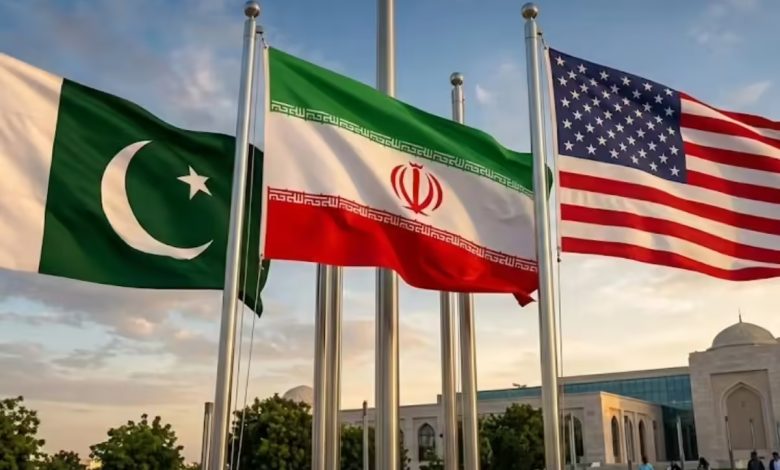
Pakistan has launched a fresh diplomatic initiative to mediate between the United States and Iran, as Pakistani Interior Minister Syed Mohsin Naqvi met Iranian Foreign Minister Abbas Araqchi in Tehran on Friday. During the meeting, they discussed proposals to end the ongoing US-Israeli war with Iran.
Currently, Tehran and Washington clash over uranium stockpiles and control of the critical Strait of Hormuz shipping lane. Meanwhile, Naqvi continues to facilitate communication between the sides to establish a viable peace framework.
The Strait of Hormuz Stumbling Block
US Secretary of State Marco Rubio noted positive momentum but drew a firm line regarding maritime access. “There’s some good signs,” Rubio said. “I don’t want to be overly optimistic … So, let’s see what happens over the next few days.”
However, Rubio rejected Iran’s plan to charge transit fees in the Strait of Hormuz. He warned, “It would make a diplomatic deal unfeasible if they were to continue to pursue that. So, it’s a threat to the world if they were trying to do that, and it’s completely illegal.”
US President Donald Trump also demanded an open waterway. “We want it open, we want it free. We don’t want tolls,” Trump stated, emphasizing that it is an international waterway. Consequently, these shipping disputes have paralyzed regional trade, and traffic through the strait has fallen to a trickle.
Nuclear Deadlock and Energy Shocks
The nuclear dispute presents another major hurdle for regional stability, with President Trump asserting that the United States would seize and eliminate Iran’s highly enriched uranium. “We will get it. We don’t need it, we don’t want it. We’ll probably destroy it after we get it, but we’re not going to let them have it,” Trump told reporters.
Conversely, Iranian Supreme Leader Ayatollah Mojtaba Khamenei issued a strict directive forbidding officials from sending uranium abroad. Tehran’s latest proposal also maintains demands for sanctions relief and the withdrawal of US troops.
Furthermore, the International Energy Agency warned that the conflict has triggered the world’s worst energy shock. The agency stated that global fuel markets could enter a dangerous “red zone” by July. Therefore, Pakistan’s mediation remains critical as global leaders race to avert severe economic fallout.