Iran Hardens Stance, Demands Major US Concessions in Potential Talks: Report
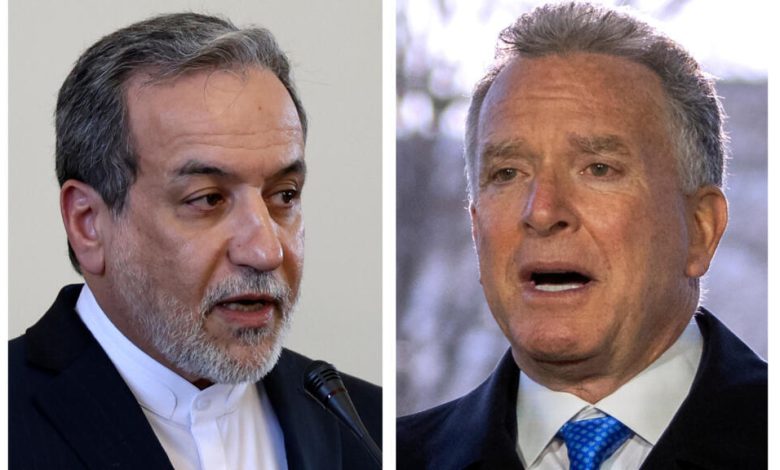
Iran has significantly toughened its negotiating posture since the war began as the Revolutionary Guards exert growing influence over decision-making. Three senior sources in Tehran told Reuters that Iran will demand significant concessions from the United States if mediation efforts lead to serious negotiations soon.
In any future talks with Washington, Iran will not only demand an end to the conflict but also several guarantees. These include protection against future military action, compensation for wartime losses, and formal control of the crucial Strait of Hormuz. Furthermore, Tehran refuses to negotiate any limitations on its ballistic missile program, which remains a primary defense against ongoing regional strikes.
“Iran would not only demand an end to the war but concessions that are likely red lines for U.S. President Donald Trump,” the sources noted. They specifically highlighted the Strategic importance of the Strait of Hormuz, where a fifth of global oil flows regularly.
Indirect Messaging and Mediation
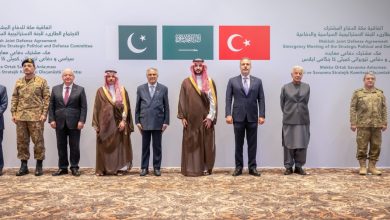
While Trump recently stated that Washington had “very, very strong talks” with Tehran, Iranian officials have publicly denied these claims. Instead, the country has engaged in preliminary discussions with Pakistan, Turkey, and Egypt to test the groundwork for potential peace. A European official confirmed that while no direct negotiations exist, regional partners continue to relay messages between the two rival nations.
A Pakistani official suggested that direct talks to end the war could occur in Islamabad as early as this week. However, the Revolutionary Guards will ultimately control any final decisions regarding a potential settlement or ceasefire agreement with the West.
Internal Pressures and Strategy
Domestic concerns also constrain the maneuvering room for Iranian diplomats during these sensitive international mediation efforts. The newfound clout of the Revolutionary Guards and the public narrative of resilience create a difficult environment for compromise. Additionally, uncertainty surrounds the new Supreme Leader, Mojtaba Khamenei, who hasn’t appeared in public media since his recent appointment.
Israeli officials remain skeptical about a breakthrough because they believe Tehran will never agree to dismantle its nuclear or missile programs. Consequently, the standoff continues while both sides utilize regional intermediaries to communicate their increasingly rigid demands and military red lines.