Amnesty International accused Iran on Thursday of firing cluster munitions at Israel during the recent conflict between the two nations. This war, which erupted in June, raised serious concerns about civilian safety. The human rights organization highlighted that these widely banned weapons endangered innocent lives.
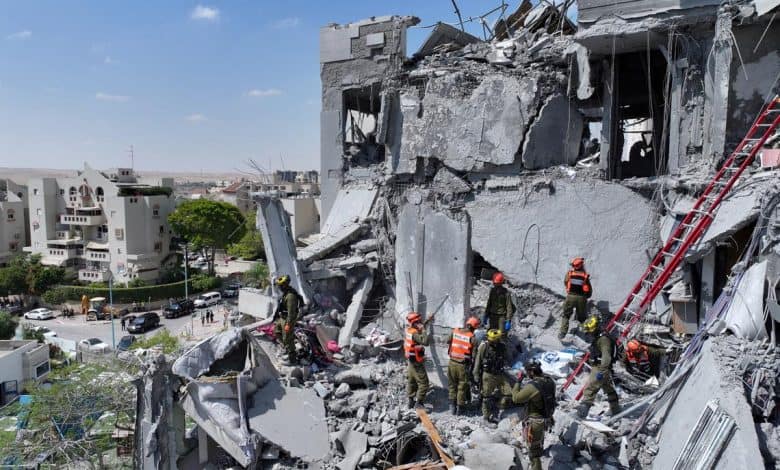
According to Amnesty, Iranian forces launched ballistic missiles containing submunitions into populated residential areas of Israel. The organization cited new research that analyzed photos and videos of the attacks. Reports indicate that on June 19, cluster munitions struck the Gush Dan metropolitan area near Tel Aviv.
Furthermore, Amnesty reported that the southern city of Beersheba experienced similar attacks on June 20. Rishon LeZion, located south of Tel Aviv, also faced bombardment on June 22. These strikes left multiple impact craters consistent with the submunitions observed in Gush Dan.
Violation of International Humanitarian Law
Erika Guevara Rosas, senior director at Amnesty International, stated, “By using such weapons in or near populated residential areas, Iranian forces endangered civilian lives.” She emphasized that the deliberate use of inherently indiscriminate weapons constitutes a blatant violation of international humanitarian law.
Cluster munitions explode mid-air, scattering bomblets across a wide area. Tragically, some of these bomblets fail to detonate upon impact, posing long-term risks, especially to children.
Neither Iran nor Israel is a signatory to the 2008 Convention on Cluster Munitions. This international treaty prohibits the use, transfer, production, and storage of cluster bombs. Amnesty International reiterated that international law prohibits the use of inherently indiscriminate weapons. Launching indiscriminate attacks that kill or injure civilians constitutes a war crime.
The conflict between Israel and Iran began with an Israeli bombing campaign on June 13. Israel claimed these strikes aimed to prevent Iran from developing nuclear weapons, a goal that Tehran has consistently denied.