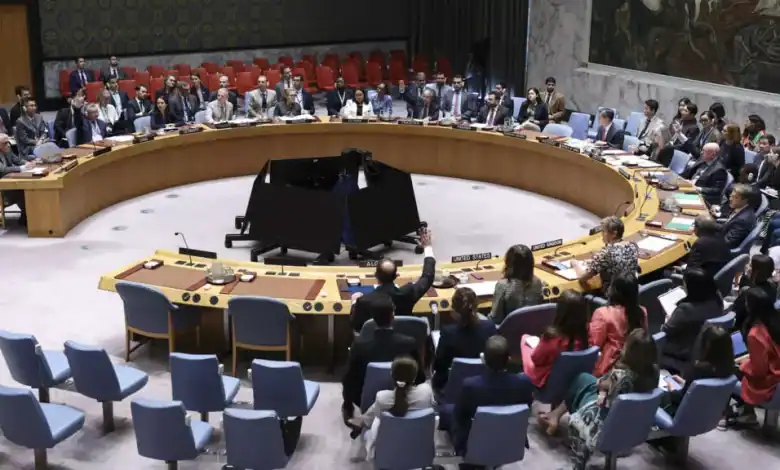
Iran on Sunday denounced the reinstatement of United Nations sanctions as completely “unjustifiable,” arguing that the punitive measures violate international law. Consequently, these new measures prohibit dealings linked to Iran’s nuclear and ballistic missile programs, which officially took effect. Western powers triggered the “snapback” mechanism from the 2015 nuclear accord, thus immediately restoring the severe international penalties.
Iran’s Foreign Ministry asserted, “The reactivation of annulled resolutions is legally baseless and unjustifiable,” urging all nations to reject this unlawful situation immediately. Any attempts aimed at undermining the rights and interests of the Iranian people will face a firm and appropriate response, the statement concluded sternly.
Diplomacy Channels Remain Open
Crucially, the return of sanctions ends months of tense diplomacy aimed at reviving nuclear talks derailed by US and Israeli strikes on nuclear facilities since June. Nevertheless, Western leaders immediately stressed that channels for open dialogue remain available to Iranian officials, despite the latest escalation.
Kaja Kallas, the European Union’s top diplomat, clearly stated the sanctions reimposition “must not be the end of diplomacy.” She emphasized that negotiations provide the only sustainable solution to successfully resolve the contentious Iranian nuclear issue. US Secretary of State Marco Rubio immediately urged Iran to “accept direct talks, held in good faith,” without further delay.
Moreover, the British, French, and German foreign ministers issued a joint statement confirming they will continue to seek a new diplomatic solution. These European nations desire an agreement ensuring Iran never acquires a nuclear weapon and also called on Tehran to refrain from any escalatory action. Germany, which triggered the return of the sanctions alongside its European allies, maintained it had no choice because Iran was not complying with its international obligations. Furthermore, an eleventh-hour effort by Iran’s allies, Russia and China, failed to win enough votes in the Security Council to postpone the sanctions until April.
Economic and Global Fallout
Iran had previously allowed UN inspectors to return to its nuclear sites, showing a degree of cooperation regarding compliance. However, President Masoud Pezeshkian rejected a US proposal offering only a short reprieve, demanding Iran to hand over its entire enriched uranium stockpile, which Tehran deemed unacceptable.
However, Russian Foreign Minister Sergei Lavrov immediately stated that his country would not enforce the sanctions, considering them invalid under international law. He criticized the West’s policy of sabotaging constructive solutions through blackmail and pressure on Tehran’s government.
The domestic economy in Iran simultaneously suffered the immediate impact of these renewed international measures. Iranians lamented the likely effect of the new sanctions on an already squeezed financial system and high cost of living. Indeed, the economic strain was sharply underscored on Sunday when the Iranian rial plunged to a record low against the US dollar on the black market.