Saudi Arabia is fast becoming more than an oil economy, as it has rapidly and fundamentally transformed into a premier global hub for capital, trade and logistics.
Why it matters: The Kingdom jumped from 17th to 13th place worldwide for foreign direct investment (FDI) in 2025, according to the UN Conference on Trade and Development’s (UNCTAD) World Investment Report. Net FDI inflows hit $32.6 billion last year, up 53% from $21.3 billion in 2024. Total FDI stock inside the country now stands at $293.3 billion.
That single ranking, though, tells only part of the story. Saudi Arabia is stacking up wins across investment, shipping and technology all at once, and together they point to one destination: the top of the global map.
Momentum Builds Beyond the Numbers
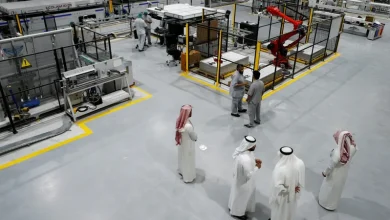
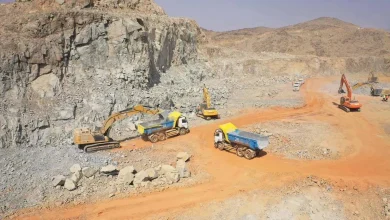
UNCTAD credited the surge to strong activity in energy, infrastructure, technology, advanced industries and logistics. Each sector lines up with the goals of Vision 2030. “Saudi Arabia recorded strong growth in FDI, driven by energy, infrastructure and diversification strategies,” the organization said in its report.
Meanwhile, Reuters previously reported on this same climb, framing it as fresh proof that Riyadh’s diversification drive is drawing serious long-term capital. The government wants $100 billion in annual FDI by 2030, and last year’s jump moves the Kingdom notably closer to that target.
Tech investment is also fueling investor confidence. Amazon Web Services has committed $5.3 billion toward new data center infrastructure in the Kingdom. Google Cloud, in turn, is partnering with Saudi Arabia’s sovereign wealth fund to build an AI hub. Both moves add weight to a fast-growing digital economy.
Ports and Logistics Reinforce the Hub Narrative
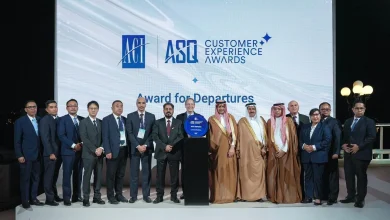
Saudi Arabia isn’t just attracting capital, as it’s building the infrastructure to move goods, too. The British maritime journal Lloyd’s List ranked the Kingdom 15th globally for container handling in 2025, with Jeddah Islamic Port alone climbing into the top 32 worldwide. Mawani, the Saudi Ports Authority, is now investing billions of riyals across new logistics zones in Jeddah and Dammam.
This combination of capital inflows, tech partnerships and rising port rankings gives Saudi Arabia a broader claim: it’s positioning itself as a connector between East and West, not just an emerging market chasing foreign cash.
Still, risks remain. UNCTAD flagged regional tensions as a threat to future project pipelines. “Rising geopolitical tensions are likely to affect the implementation of announced projects and increase downside risks for FDI, particularly in energy, transport and logistics,” the report warned.
The bottom line: Saudi Arabia’s climb from 17th to 13th globally, backed by tech mega-deals and rising port rankings, shows Vision 2030 translating into real investor commitment. The Kingdom still has ground to cover before it hits its $100 billion target, but every available metric points the same way: up.