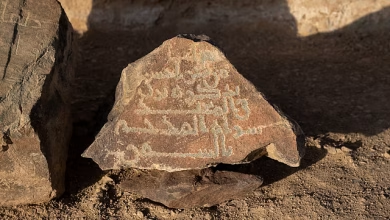
The future of heritage may depend not only on how closely it remains tied to the legacy of the past, but also on how creatively it can move forward.
Al-Ahsa Takes the Lead
Al-Ahsa offers a striking example. Through its wealth of traditional crafts and folk arts, the Saudi oasis is exploring new ways to preserve its cultural heritage while bringing it into dialogue with technology, innovation and wider markets.
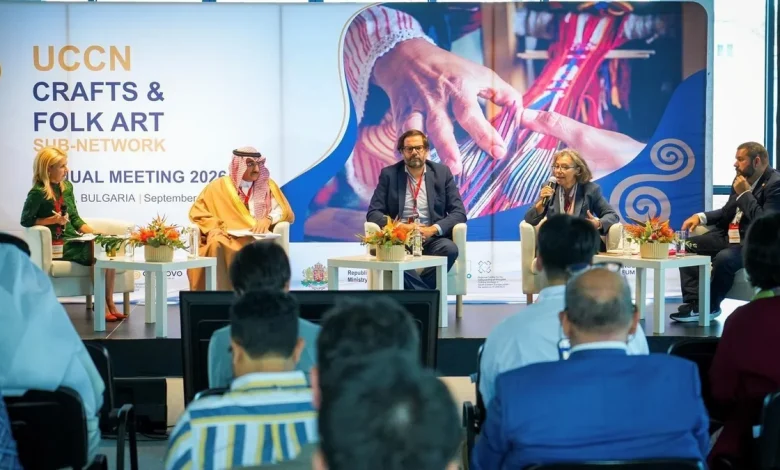
This approach was vividly reflected in Gabrovo, Bulgaria, where Al-Ahsa chaired a UNESCO Creative Cities Network meeting dedicated to boosting cultural cooperation and sustainable development.
The meeting brought together representatives from 20 cities within the network’s Crafts and Folk Art subnetwork, creating a valuable platform for creative cities to exchange knowledge and experience and explore new approaches of using heritage as a core pillar for sustainable development.
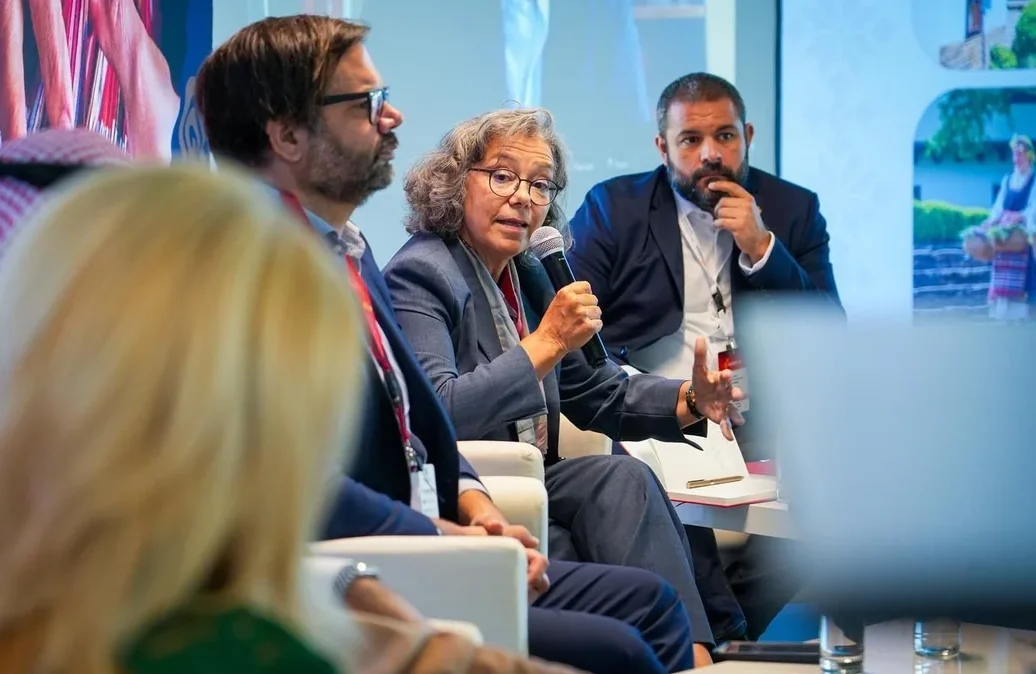
For Al-Ahsa, the conversation builds on a distinctive decade-long presence in the UNESCO Creative Cities Network. By joining the network in 2015 through a unique initiative, Al-Ahsa has placed its rich craft traditions within a broader global community of cities using culture and creativity to shape their futures.
How Can Innovation Preserve Tradition?
Speaking during the meeting, Al-Ahsa Mayor Essam Al-Mulla shed light on the relationship between culture and innovation, technology and human skills, investment and cooperation among creative cities.
He further highlighted the pivotal role of cultural creativity in preserving identity and strengthening community ties.
Al-Mulla said Al-Ahsa’s approach hinges on cultural resilience, preserving the knowledge embedded in traditional practices while allowing those practices to evolve, remain relevant and reach new generations.
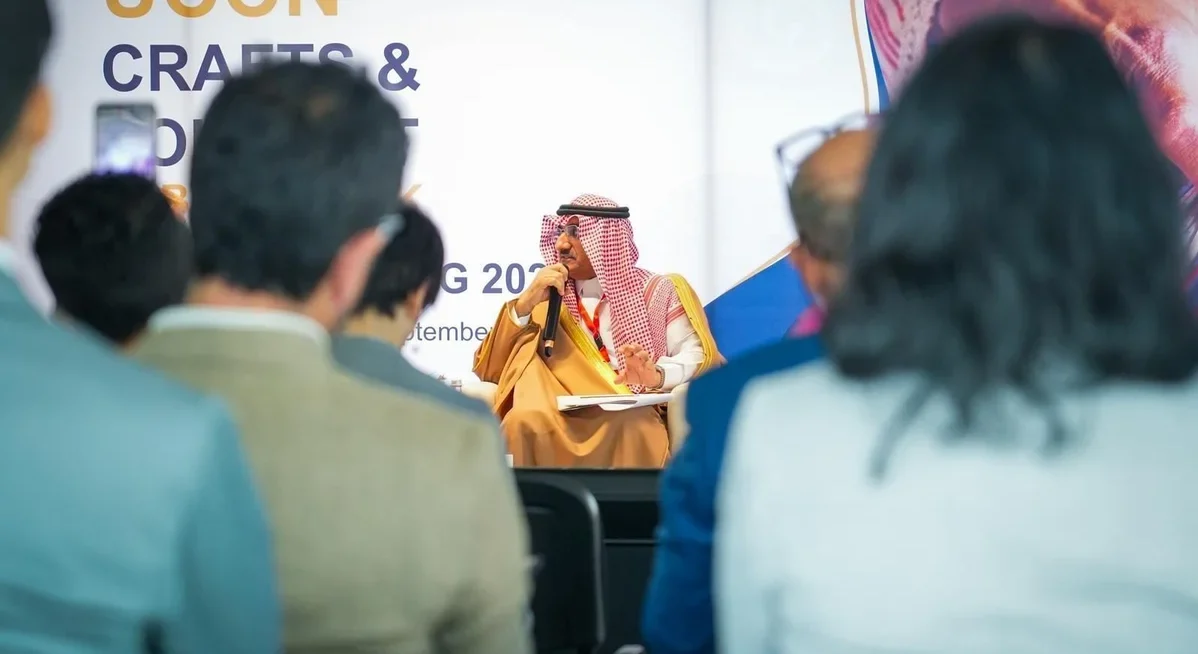
Remarkably, technology and artificial intelligence can launch new horizons for traditional skills, providing exclusive opportunities for artisans while helping their knowledge reach wider audiences.
However, Al-Mulla argues that innovation should complement rather than replace heritage. In this sense, digital tools can help craftspeople develop their work, nurture their skills, document traditional knowledge and access new markets without compromising the authenticity and identity of their crafts.
Culture as Soft Power
According to Ibrahim Al-Shubaith, coordinator of Creative Al-Ahsa and lead coordinator of the network’s Crafts and Folk Art cluster, the value of culture extends beyond heritage. He described it as a form of soft power for peace which has the potentials to further strengthen understanding, encourage dialogue and bring communities closer together.
According to UNESCO, Al-Ahsa is home to approximately 50 traditional crafts and folk art practices, from palm-based textiles and pottery to weaving and joinery.
Related Topics:
Saudi Heritage Commission Unearths 147 Architectural Units in Al-Ahsa
Global Leaders Head to Riyadh for UNESCO’s AI Ethics Forum in September
Riyadh Holds UNESCO’s Global Forum on AI Ethics in Sept.