Hormuz Crisis: UN Security Council Poised for Vote on Compromise Resolution
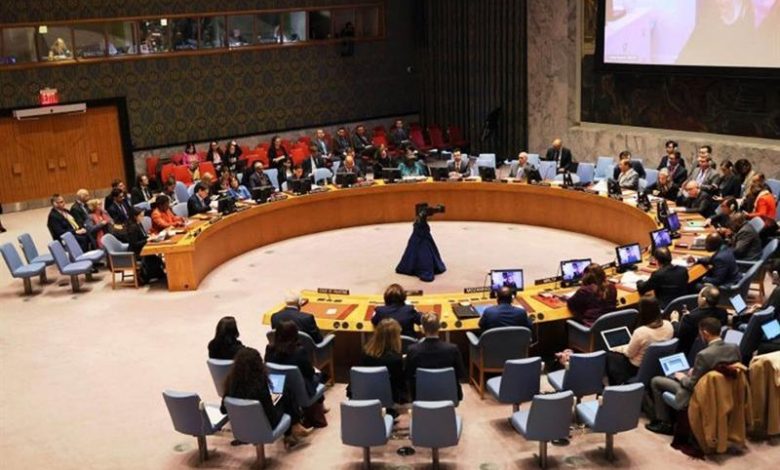
The UN Security Council meets on Tuesday for a crucial vote on a compromised resolution demanding Iran unblock the Strait of Hormuz. Consequently, Gulf sponsors dropped their original request for explicit force authorization, with the Bahrain-led draft now emphasizing defensive coordination among member states instead.
Iran severely restricted traffic through the waterway after the United States and Israel launched a war against Tehran on 28 February. Since then, Iranian forces have blocked all ships affiliated with the American and Israeli war efforts from completing their transit. Consequently, the Bahrain-led resolution faces a vote at 11:00 am (0300 GMT), although the final outcome remains uncertain for the global community.
A draft reviewed by reporters on Monday no longer mentions the authorization to use force, even for strictly defensive purposes. Furthermore, Iran drew the ire of Gulf nations by imposing tolls on international shipping while planning joint traffic monitoring with Oman. The vote occurs just hours before a deadline set by Donald Trump for Iran to negotiate or face military strikes.
Diplomatic Hurdles
“We cannot accept economic terrorism affecting our region and the world, the whole world is being affected by the developments,” stated Jamal Alrowaiei, Bahrain’s ambassador. Despite this plea, objections from veto-holding members like Russia and China forced diplomats to water down the original proposal multiple times. France initially opposed the measure but later signaled support after sponsors added specific wording requiring all actions to remain purely defensive.
The latest draft strongly encourages states to coordinate defensive efforts to ensure the safety and security of vital merchant navigation. It also demands that Iran immediately cease all attacks against commercial vessels and stop attempts to impede the freedom of navigation.
“Bahrain and its backers would secure a clear diplomatic rejection of Iran’s obstruction, even if they fell short of force,” said Daniel Forti. Meanwhile, Russia and China would succeed in preventing the Council from endorsing a potentially escalatory military response during this crisis. Ultimately, UN mandates authorizing the use of force remain rare, as seen during the Gulf War and the Libyan intervention.