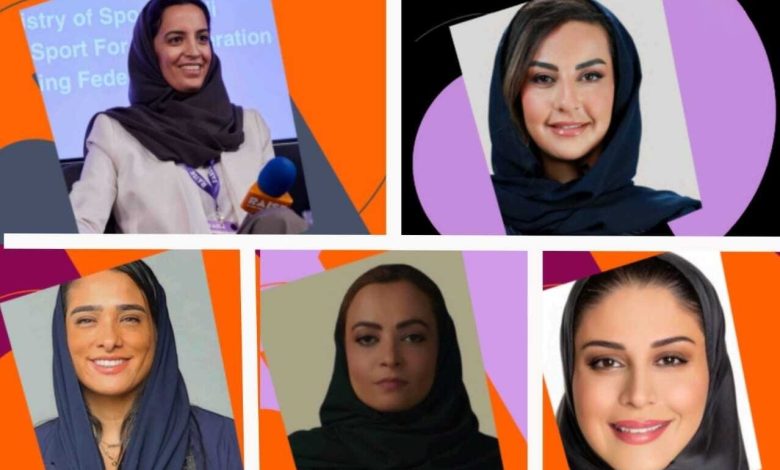
The big picture: Five Saudi women earned spots on the prestigious 2026 RAISE Power 100 list. Consequently, this global recognition highlights Saudi Arabia’s massive strides in transforming women’s sports. Furthermore, it reflects the Kingdom’s broader commitment to empowering women across all sectors under Vision 2030.
Why it matters: Saudi Arabia actively champions female leadership today, with female workforce participation now exceeds thirty five percent nationwide. The government creates unprecedented opportunities for women in business, technology, and athletics. As a result, Saudi women now shape global industries confidently.
Driving The Sports Transformation
The details: The RAISE Power 100 honors executives and innovators who accelerate women’s sports. Specifically, the 2026 list features five Saudi trailblazers:
- Adwa Al-Arifi: She serves as assistant minister for sport affairs. She co-founded the first Saudi women’s football club. Moreover, she brought the WTA Finals to Riyadh.
- Rasha Al-Khamis: She chairs the Saudi Mixed Martial Arts Federation. She advances female combat sports participation. Additionally, she founded the international women’s committee for MMA.
- Princess Nouf Al-Saud: She directs marketing at the Ministry of Sport. She successfully elevates the Kingdom’s international sports profile. Thus, she promotes Saudi sporting ambitions globally.
- Alanoud Althonayan: She leads events and sponsorships at the Public Investment Fund. She manages crucial domestic and international partnerships expertly.
- Lamia Bahaian: She acts as vice president of the Saudi Arabian Football Federation. She also serves on FIFA’s Women’s Club Competitions Committee. Consequently, she develops women’s football worldwide.
Expanding Global Influence
Between the lines: These leaders demonstrate exceptional skill in governance and investment. Furthermore, their success proves the effectiveness of Saudi Arabia’s national reforms. The Kingdom invests heavily in female athletes and executives. Therefore, Saudi women consistently break barriers on the international stage.
What is next: Saudi Arabia plans to host more major sporting events soon. Consequently, the Ministry of Sport will continue developing professional leagues for women. Meanwhile, the government will expand grassroots participation programs. Ultimately, these initiatives will inspire the next generation of female leaders.
A Broader Empowerment Push
By the numbers: The sports recognition mirrors gains women are making across Saudi society. Female labor force participation climbed from 17.4% in 2016 to 36.2% by late 2024, according to Saudi Arabia’s General Authority for Statistics (GASTAT), surpassing Vision 2030’s original 30% target years ahead of schedule. Officials now aim for 40% participation by 2030, Finance Minister Mohammed Al-Jadaan said, adding that women already head 45% of the Kingdom’s small and medium enterprises.
The bottom line: The World Bank’s Women, Business and the Law 2026 report additionally ranked Saudi Arabia first in the Middle East for women’s empowerment and credited it with the largest global gain in “supportive frameworks”, the policies that turn legal reform into real opportunity. As a result, women’s economic contribution could reach $39 billion by 2032, per the Kingdom’s National Unified Government Platform.
These gains trace back to reforms easing guardianship rules and expanding women’s access to travel, business ownership and leadership roles. Today, women sit on federation boards, run ministry communications and manage sovereign wealth fund sponsorships, positions that once excluded them entirely.
The RAISE list, therefore, captures a wider story: Saudi Arabia’s sporting rise and its social transformation are advancing together, each fueling the other as the Kingdom counts down to 2030.