Bangladesh in Turmoil: Violent Protests Roil the Country, Government Extends Curfew
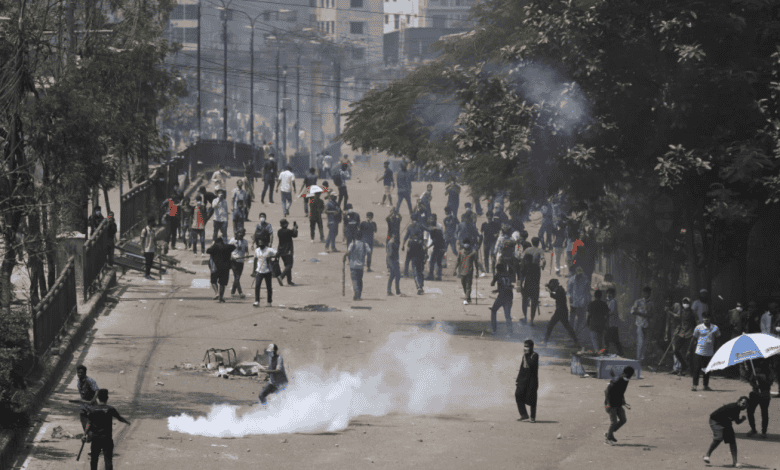
Authorities in Bangladesh has extended a curfew on Sunday to curb the student-led protests that have killed more than 100 people.
The Bangladeshi government imposed the curfew on Friday midnight, and granted a “shoot-on-sight” orders for the police. The deadly clashes erupted between police and protestors over the reintroduction of civil service job quotas. However, the Supreme Court on Sunday took a decision to quell the protests.
Supreme Court Decision
In response to the mass protests that have engulfed the country in recent weeks, the Supreme Court on Sunday crapped most of the job quotas that sparked the protests, Reuters reported citing local media.
Bangladeshi local media said that the Supreme Court dismissed a lower court order that reinstated the job quota system. The Court ruled that 93% of government jobs will be open to candidates based on merit.
Streets near the Supreme Court were quiet after the decision. It is not clear what would happen to the curfew after the Court’s ruling.
Chaos in Bangladesh
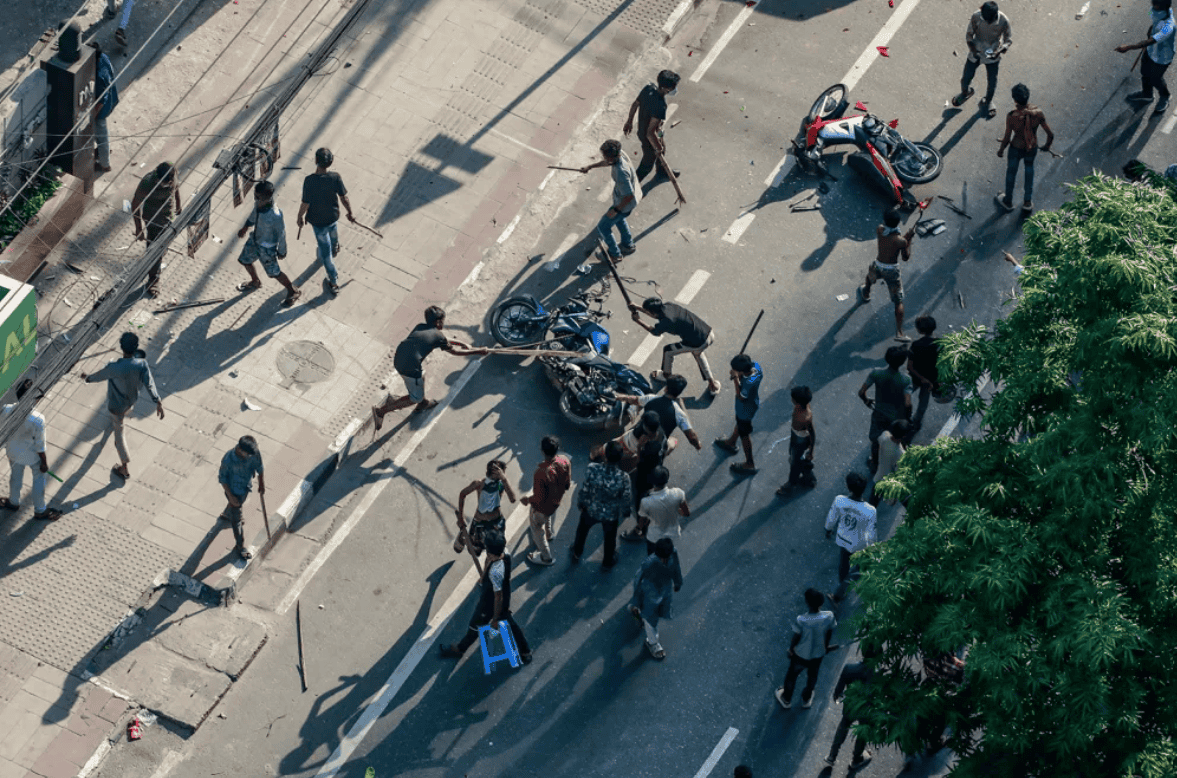
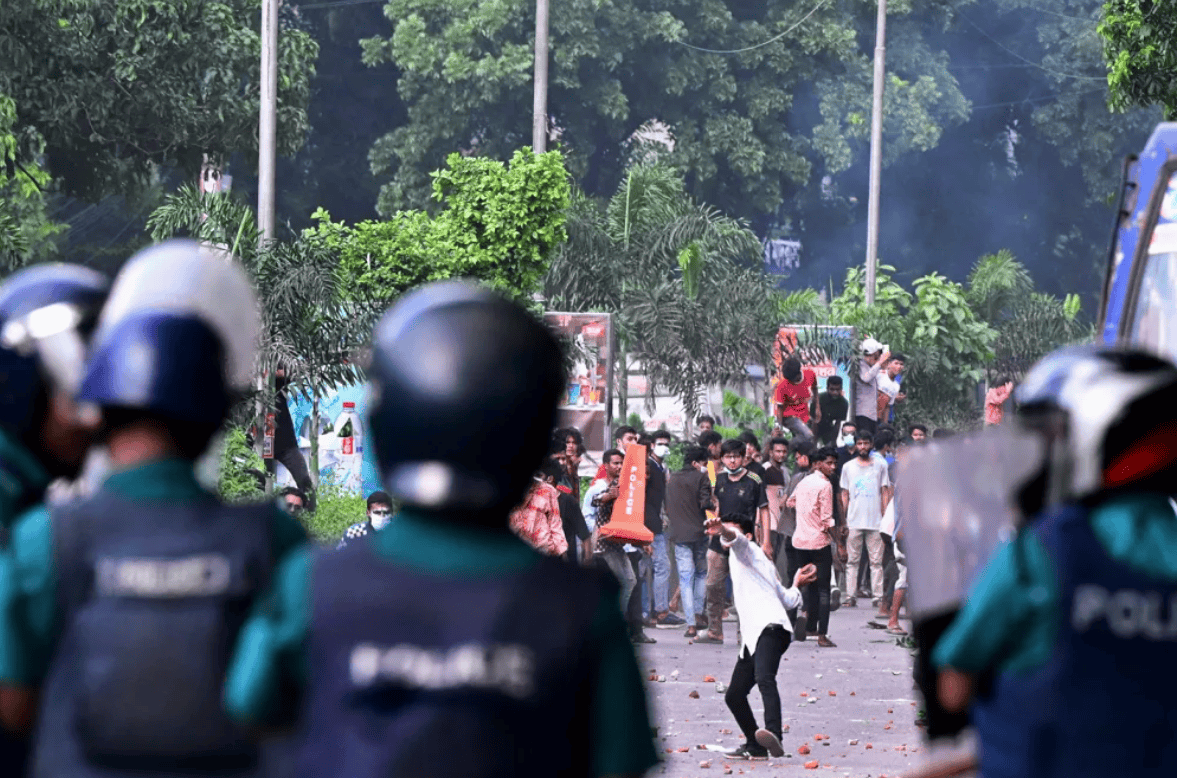
Demonstrations began weeks ago against the quota system, but violence erupted on Tuesday, reported the Associated Press (AP). During the past week, police fired tear gas and rubber bullets, and used smoke grenades to disperse protesters at the streets and university campuses.

Some clashes were reported in the capital city of Dhaka on Saturday. The country is waiting for a Supreme Court verdict on Sunday over whether to abolish the job quotas. Soldiers patrol Bangladeshi cities, while mobile and internet services blackout remains in force.
According to local media, the extended curfew will continue for an “uncertain time” following a break for two hours to let people buy essential supplies. Also, universities and colleges have been closed since Wednesday. The state broadcaster Bangladesh Television (BTV) went off air on Friday, after angry protestors allegedly set fire to its headquarters.
Controversial Quota System
Bangladeshi students are protesting against the government’s quota system, which reserves up to 30% of government’s jobs for relatives of veterans who fought in Bangladesh’s war of independence from Pakistan in 1971. According to CNN, protestors say the quota system is discriminatory and favors supporters of the ruling Awami League Party.
Furthermore, the high unemployment rate in the country, particularly among young people, exacerbated anger. Under the rule of Prime Minister Sheikha Hasina, Bangladesh has experienced strong economic growth. However, it has slowed down in the post-pandemic period. The World Bank points out in its latest review that inequality “has widened in urban areas.” Over 30 million people, out of the nation’s 170 million, are not in work or education.
Following similar protests in 2018, the government halted the quota system. But the High Court reinstated it in June 2024, and on July 10, the Supreme Court suspended it for one month.
Protest Escalation
On July 1, protests began at the Dhaka University and then spread to other universities and cities across the country. Protestors gathered daily in the streets and blocked roads and railways.
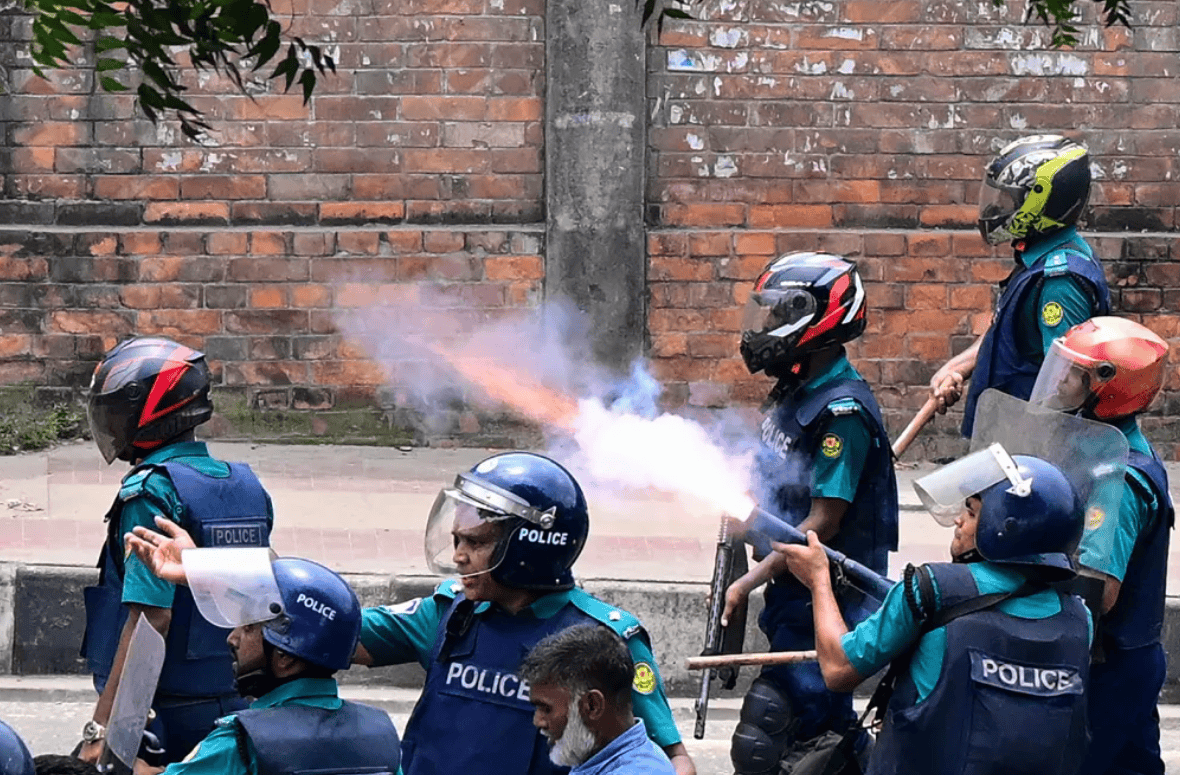
On July 15, protests turned violent when members of the Bangladesh Chatra League, the student wing of the Awami League Party, clashed with the student protesters in the Dhaka University campus. Since then, clashes have escalated between security forces, protesters and government supporters.
Reuters reported on Sunday that the violent protests have killed at least 114 people and injured others.
Challenge for Bangladesh
The protests represent the biggest challenge for Hasina since she won her fourth consecutive term in January, in an election boycotted by the main opposition party. The turmoil also highlights fractures in Bangladesh’s governance and economy.
Protesters claim that the quota system benefits Hasina’s supporters and demand its replacement with a merit-based system. Meanwhile, the Bangladeshi Prime Minister defended the quota system, arguing that veterans deserve the highest respect regardless of their political affiliation.
Hasina has said a judicial investigation into the killings is open and called on protesters to await the Supreme Court’s verdict. She told a news conference on Thursday: “I especially urge everyone to wait patiently until the Supreme Court verdict comes. I believe our students will get justice from high court, they will not be disappointed.”
Global Reaction
Bangladeshi students have held smaller protests in other cities across the world, including in the Times Square in New York; Melbourne and Sydney in Australia; and the Danish capital Copenhagen.
In reaction to the ongoing violence, the UN Secretary-General Antonio Guterres urged for restraint on all sides and called for a government investigation into the acts of violence. “The secretary-general encourages the meaningful and constructive participation of youth to address the ongoing challenges in Bangladesh. Violence can never be the solution,” UN spokesperson Stephane Dujarric said.

Meanwhile, a spokesperson for the US State Department said on Thursday that Washington was “continuing to monitor the reports of violence from the ongoing protests in and around Dhaka.”
He added: “Freedom of expression and peaceful assembly are essential building blocks to any thriving democracy, and we condemn the recent acts of violence in Bangladesh.”
On Saturday, the US State Department raised its travel advisory for Bangladesh to level four, urging people not to travel to the country due to the “civil unrest, crime and terrorism.”