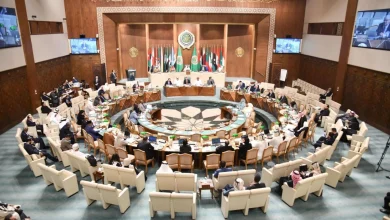
China and Russia condemned the United States at the United Nations Security Council on Tuesday regarding escalating pressures on Venezuela, specifically criticizing Washington’s military posturing and economic sanctions, labeling these aggressive tactics as a violation of international legal norms.
Venezuela requested the urgent session to accuse the American government of conducting the largest extortion effort in its national history. Consequently, the debate highlighted the deepening rift between global powers over regional sovereignty and diplomatic interference in the Western Hemisphere.
Global Powers Denounce Unilateral Sanctions
US-Venezuela relations have remained severely strained for several years, particularly under the administration of President Nicolas Maduro and his allies. Washington continues to impose heavy sanctions on the Venezuelan oil sector while targeting key government officials with restrictive financial measures.
Furthermore, the United States officially recognizes several opposition leaders and funds humanitarian programs to challenge the current leadership in Caracas. Vasily Nebenzia, the Russian ambassador to the UN, stated that American actions directly contravene the fundamental principles of international law. China’s representative, San Li, added that Beijing opposes all unilateral coercive measures while supporting countries that defend their dignity.
Recent media reports highlight the strategic deployment of United States military assets throughout the volatile and sensitive Caribbean Sea region. These forces have successfully intercepted several Venezuelan oil tankers, illustrating heightened tensions and significant risks for international maritime trade routes.
According to Reuters, the US military maintains a significant presence to target sanctioned vessels and disrupt the Venezuelan government’s revenue.
Mike Waltz, the US ambassador to the UN, emphasized that Washington remains committed to protecting the hemisphere and American borders. However, these military operations draw sharp criticism from nations that view the maneuvers as a form of global maritime bullying.
Escalating Diplomatic Friction
The United States recently offered a massive fifty-million-dollar reward for information leading to the arrest of President Nicolas Maduro himself, significantly escalating diplomatic and political tensions between the two nations while drawing the ire of Maduro’s allies. Global experts warn that continued sanctions and military threats could further destabilize the nation and worsen the ongoing humanitarian crisis.
Many observers fear these reward programs and naval blockades might eventually trigger a direct military confrontation in the Caribbean region. Ultimately, the Security Council debate underscores a growing divide as Russia and China continue to challenge American strategic prerogatives.