France, Britain, and Germany have triggered the UN “snapback” mechanism, reimposing decade-old sanctions on Iran after Tehran deliberately violated its 2015 nuclear deal commitments. This decisive move initiates a critical 30-day countdown for full sanctions restoration.
The European trio formally notified the UN Security Council yesterday via a diplomatic letter confirming Iran’s significant noncompliance. Consequently, the snapback process began immediately, demanding swift international action within one month, stressing Iran’s high enriched uranium stockpile lacks any civilian justification whatsoever. Such material poses a clear, unprecedented threat to global peace and security currently.
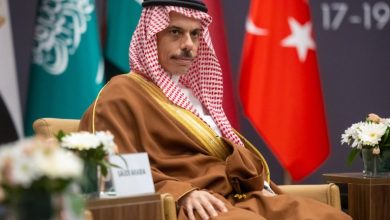
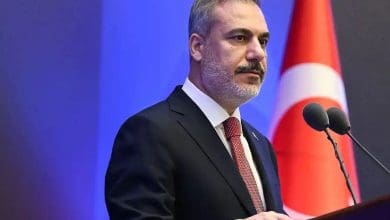
Iran swiftly condemned the action as illegal and provocative during urgent ministerial phone calls, with Foreign Minister Abbas Araghchi pledging Tehran would “respond appropriately” to protect national rights. Moreover, Iran warned this step seriously undermines its cooperation with the International Atomic Energy Agency as Tehran already suspended IAEA collaboration last month following Israeli and US strikes.
Global Reactions Split Deeply
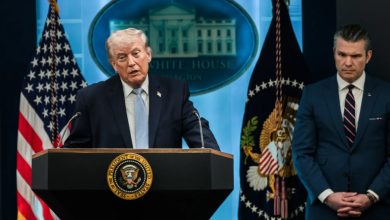
The United States strongly welcomed the European move while reaffirming readiness for direct talks with Iran. Secretary of State Marco Rubio stated snapback “enhances” Washington’s “earnest readiness for diplomacy” significantly. Similarly, Israel’s UN envoy called it an important step toward stopping Iran’s nuclear program entirely, while Russia’s UN deputy ambassador Dmitry Polyanskiy declared the European action lacks legal validity completely. The UN Secretary-General’s office urgently urged all sides to seize this 30-day window for peace.
This high-stakes action follows closely after a brief Israel-Iran conflict two months ago. Additionally, the snapback deadline expires precisely on 18 October, creating immense pressure. IAEA inspectors recently entered Iran’s Bushehr site, though Tehran clarified this isn’t full cooperation renewal. Western powers maintain Iran seeks nuclear weapons despite decades of Tehran’s firm denials.
Diplomatic Clock Ticks Down
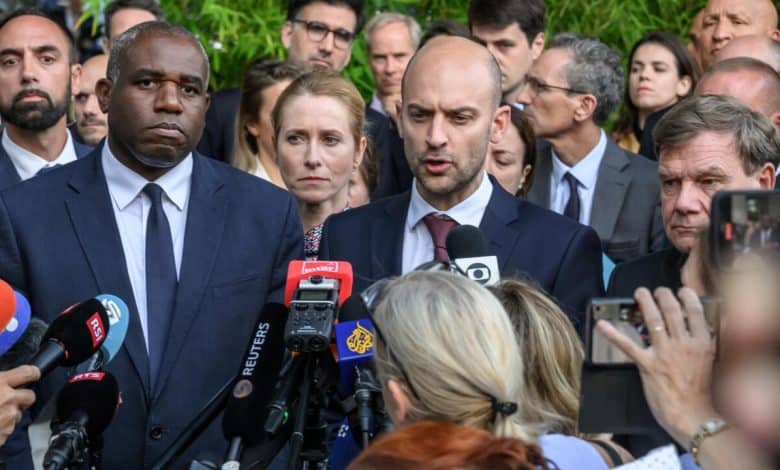
British Foreign Minister David Lammy, Germany’s Johann Wadephul, and France’s Jean-Noel Barrot issued a joint statement emphasizing Iran’s noncompliance was clear and deliberate. Barrot added Iran’s nuclear escalation must stop immediately but stressed diplomacy remains open. The original 2015 deal aimed to resolve tensions after secret nuclear facilities emerged early this century. However, US withdrawal under Trump severely damaged the agreement, followed by repeated compliance disputes.
The next 30 days offer the final chance to avoid further escalation and find a peaceful path forward, with major powers facing intense pressure to restart meaningful negotiations before sanctions lock back into place. Consequently, the world watches closely as the diplomatic clock relentlessly counts down toward 18 October.