Record Growth: Over 294,000 Saudis Join Private Sector in 2024
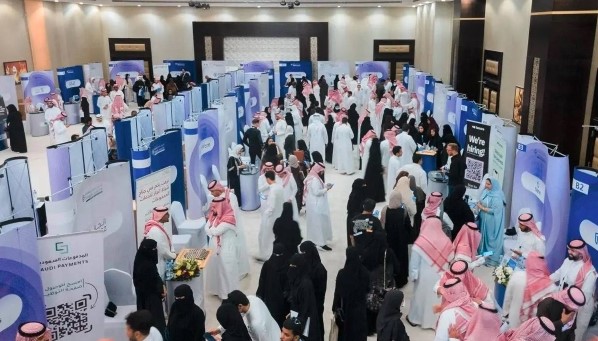
Saudi Arabia has witnessed a remarkable surge in private sector employment in 2024, with more than 294,000 Saudi nationals securing jobs, marking an unprecedented achievement in the country’s economic transition. This significant development not only demonstrates the effectiveness of Saudi Arabia’s Vision 2030 but also highlights the Kingdom’s evolving labor market, which is increasingly embracing the private sector as a central pillar of its economic future. The influx of Saudi workers into private enterprises is a clear signal of progress in diversifying the economy, enhancing job creation, and reducing the country’s dependence on oil revenues.
Vision 2030: Redefining the Saudi Workforce
The exceptional growth in the number of Saudis joining the private sector is a direct result of the ambitious Vision 2030 initiative. This transformative blueprint, introduced by Crown Prince Mohammed bin Salman in 2016, is designed to reduce the Kingdom’s reliance on oil and diversify its economy by expanding into non-oil sectors such as technology, tourism, and healthcare. A central component of this plan is the empowerment of Saudi nationals, particularly the youth, to play a more significant role in shaping the country’s economic future.
Traditionally, the public sector has been the primary employer of Saudi nationals. However, with the Kingdom’s growing population and the need to create more jobs, the private sector has become increasingly crucial for sustaining economic growth. The government’s efforts to revitalize and expand private industry through policy reforms and initiatives have made it a more attractive option for Saudi workers. This milestone, with over 294,000 Saudi nationals joining the private sector in 2024, signals a significant shift in the Kingdom’s workforce and reflects the government’s commitment to diversifying employment opportunities.
Labor Market Reforms: Driving the Shift
A key factor behind the surge in private sector employment is the comprehensive labor market reforms implemented by the Saudi government. These reforms are aimed at creating a more dynamic, competitive labor market while promoting Saudization—an initiative to increase the number of Saudi nationals employed in various industries. Saudization requires businesses to meet specific targets for hiring Saudi nationals, ensuring that local talent is prioritized over foreign workers in key sectors.
To incentivize companies to comply with Saudization targets, the government has introduced a variety of financial incentives, such as tax breaks, subsidies, and support for employee training. These efforts have made it easier for Saudi workers to find and retain jobs in the private sector, as companies are now encouraged to invest in their workforce. Additionally, the government has introduced policies to improve working conditions, making the private sector more appealing and accessible to Saudi nationals.
Another significant initiative has been the expansion of vocational education and training programs, designed to equip young Saudis with the necessary skills to succeed in the evolving job market. These programs, which focus on technical expertise and soft skills development, are essential for preparing Saudi workers for the demands of a modern, competitive economy.
Furthermore, the Ministry of Human Resources and Social Development (HRSD) has played a crucial role in facilitating the integration of Saudis into the private sector. Through digital platforms and streamlined recruitment processes, HRSD has made it easier for job seekers to connect with employers, ensuring that job opportunities in the private sector are more accessible to Saudi nationals.
Sectors Leading the Way
The expansion of Saudi nationals in the private sector is not only impressive in terms of numbers but also reflects broader trends in the types of industries that are attracting local talent. Several key sectors have emerged as drivers of this growth, playing a pivotal role in Saudi Arabia’s economic transformation under Vision 2030.
- Technology and Digital Innovation: The technology sector has become one of the fastest-growing industries in Saudi Arabia, with initiatives such as NEOM and the Red Sea project driving demand for skilled workers in areas like data science, artificial intelligence, and cybersecurity. As Saudi Arabia strives to position itself as a global leader in technology and innovation, the private sector is becoming a hub for tech talent, with increasing numbers of Saudis pursuing careers in software development, IT services, and digital infrastructure.
- Finance and Business Services: The financial services industry is another key area experiencing significant growth. The Kingdom’s strategic efforts to transform its financial markets and attract foreign investments have fueled the expansion of banking, insurance, and fintech companies. Saudi nationals are increasingly taking up roles in investment banks, financial institutions, and insurance companies, contributing to the development of a more sophisticated financial ecosystem.
- Healthcare and Medical Services: The healthcare sector has seen rapid growth as part of the government’s efforts to modernize healthcare infrastructure and meet the needs of the Kingdom’s expanding population. From doctors and nurses to medical technicians and administrators, Saudi nationals are filling roles across the healthcare system. Women, in particular, have made significant strides in the sector, contributing to the expansion of medical services throughout the country.
- Tourism, Hospitality, and Entertainment: As part of its diversification strategy, Saudi Arabia has invested heavily in the tourism and entertainment industries. Projects such as the development of luxury resorts along the Red Sea and the creation of cultural and entertainment hubs in Riyadh have spurred job creation in hospitality and tourism-related fields. Saudis are increasingly entering these industries, taking up roles in hotel management, event planning, and entertainment production.
Empowering Women in the Workforce
A notable aspect of the private sector growth is the increasing participation of Saudi women. Vision 2030 placed a strong emphasis on women’s empowerment and their integration into the workforce, and the results are evident in 2024’s job growth statistics. More women are entering the private sector in diverse fields, from finance and technology to healthcare and tourism. This shift is not just in terms of numbers but also in the expanding roles women are taking on, including leadership positions in companies across various sectors.
The government’s policies, which include changes to labor laws, enhanced workplace protections, and improved access to education, have paved the way for greater female participation in the workforce. This has been crucial for the Kingdom’s economic development, as the inclusion of women is seen as vital for long-term growth and prosperity.
Overcoming Challenges and Sustaining Growth
While the growth in private sector employment is highly encouraging, challenges remain. One of the key challenges is ensuring that the private sector continues to meet the demands of an increasingly sophisticated and competitive global economy. To address this, the government is focusing on continued investment in education and vocational training, as well as supporting innovation and entrepreneurship.
Another challenge is ensuring that the benefits of private sector growth are felt across all regions of the Kingdom. While major urban centers like Riyadh and Jeddah have seen rapid expansion in private sector jobs, it is essential to ensure that rural areas also benefit from this growth. The government is committed to creating opportunities for Saudi workers across the Kingdom, ensuring that regional disparities are addressed as part of the country’s broader economic development agenda.
Looking Ahead: The Future of Saudi Arabia’s Workforce
The surge in private sector employment in 2024 represents just the beginning of what is expected to be a long-term shift in Saudi Arabia’s labor market. As the country continues to pursue its Vision 2030 goals, the private sector will remain central to the Kingdom’s economic future. Ongoing investments in education, vocational training, and digital infrastructure will be crucial for preparing the Saudi workforce to meet the demands of an evolving global economy.
By continuing to implement policies that foster job creation, support innovation, and empower both men and women, Saudi Arabia is laying the groundwork for a diversified and sustainable economy. The private sector will play a central role in achieving the Kingdom’s long-term objectives, helping to create a prosperous future for generations of Saudis.