
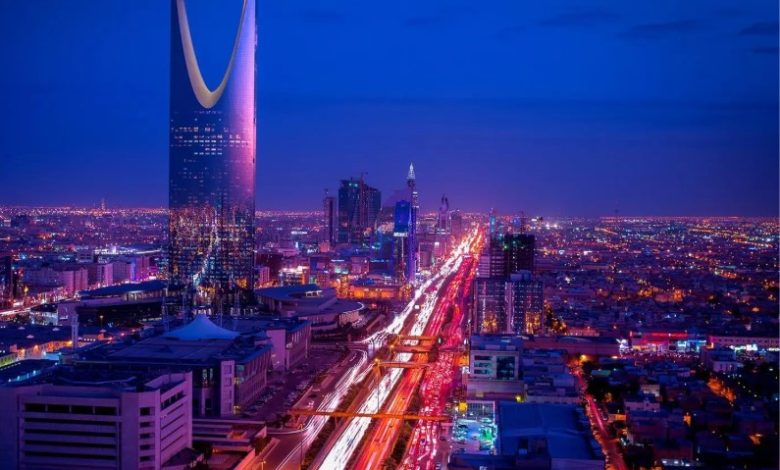
“Saudi Arabia’s economy has demonstrated a strong ability to withstand successive global crises over the past decades, overcoming economic and geopolitical shocks and emerging stronger and more resilient,” Saudi Finance Minister Mohammed Aljadaan affirmed as he announced the Kingdom’s 2027 State Budget.
Aljadaan’s statement was backed by strong evidence of Saudi Arabia’s robust economic foundations that have turned it from an attractive emerging market into an established global investment hub. During the Saudi Budget Forum 2027, Saudi officials revealed trillion-riyal investment inflows in 2025, with a 6% growth rate recorded in the first half of 2026 alone.
2027 State Budget: Key Highlights
Driving the News: The Saudi Cabinet, chaired by Crown Prince and Prime Minister Mohammed bin Salman, approved the State General Budget for fiscal year 2027 on Tuesday, November 24, 2026.
By the Numbers:
- SAR 1.392 trillion: Public expenditure.
- SAR 1.202 trillion: Projected revenues.
- SAR 190.56 billion: Projected deficit.
Why It Matters: The 2027 State Budget marks the transition into the third phase of Vision 2030, building on the achievements made during the first two phases to expand development opportunities, invest in the capabilities of Saudi youth, and build a more diversified and competitive economy whose impact extends beyond 2030.
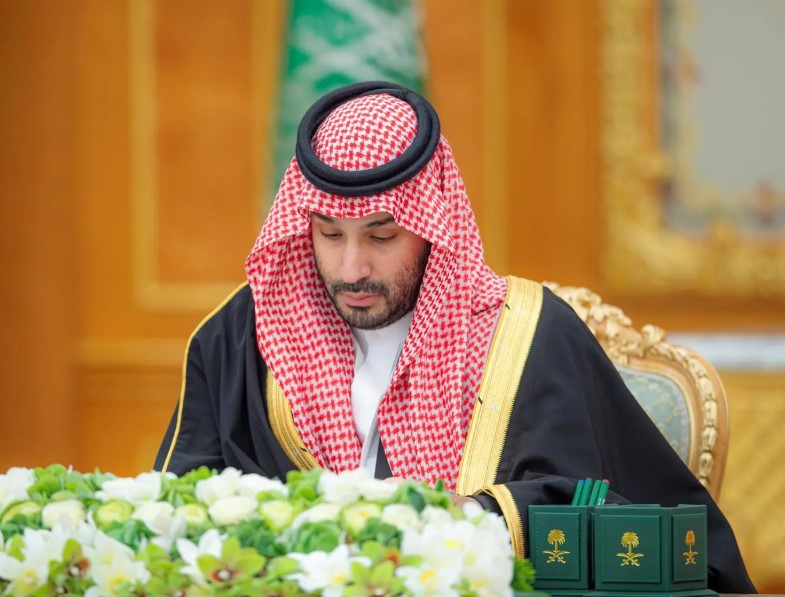
In His Words: “We amplify the impact of Vision 2030 on people’s lives, and transform its gains into sustainable strength for our economy and renewed opportunities for future generations.” – Prince Mohammed bin Salman, Saudi Arabia’s Crown Prince and Prime Minister.
A Thriving Investment Hub
State of Play: Speaking at the Saudi Budget Forum 2027 on Wednesday, November 25, Saudi Investment Minister Fahd Al-Saif announced that total investment volume in the Kingdom exceeded SAR 1.3 trillion last year, rising by 6% in H1 2026.
Multi-Year Momentum: Al-Saif noted that cumulative investments have surpassed SAR 6 trillion over the past five years, benefiting from the Kingdom’s diverse, competitive regions, especially coastal areas, that draw tech, tourism, and logistics capital through integrated digital and nationwide transport infrastructure.
Attractive Sectors: The Saudi Investment Minister said that streamlined procedures and regulatory agility are driving deal flow across critical sectors, particularly energy supply, transport and logistics, telecommunications, tech services, and tourism. He highlighted 76 major investment deals worth SAR 95 billion completed across diverse sectors during 2026 despite global challenges.
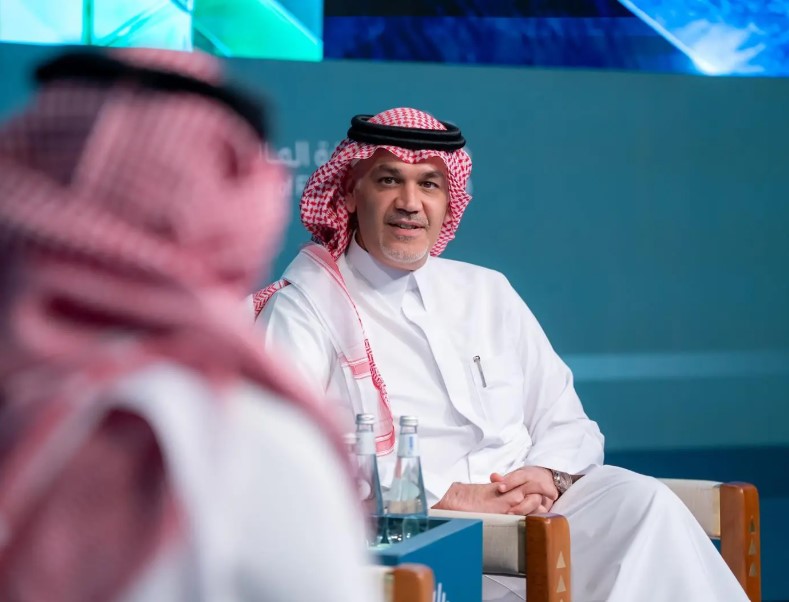
Twinning Deals: Al-Saif revealed that the partnership between the investment and tourism sectors resulted in signing agreements with 19 domestic investors across 6 destinations worth SAR 7 billion, noting that the Ministry of Investment is actively simplifying the investor journey, prioritizing domestic investors who serve as a catalyst to attract international co-investors.
Special Economic Zones: Al-Saif said that the Kingdom will activate SEZs including King Abdullah Economic City and the King Salman Automotive Cluster – where investments have topped SAR 80 billion.
Looking Forward: The Trillion-Dollar Opportunity
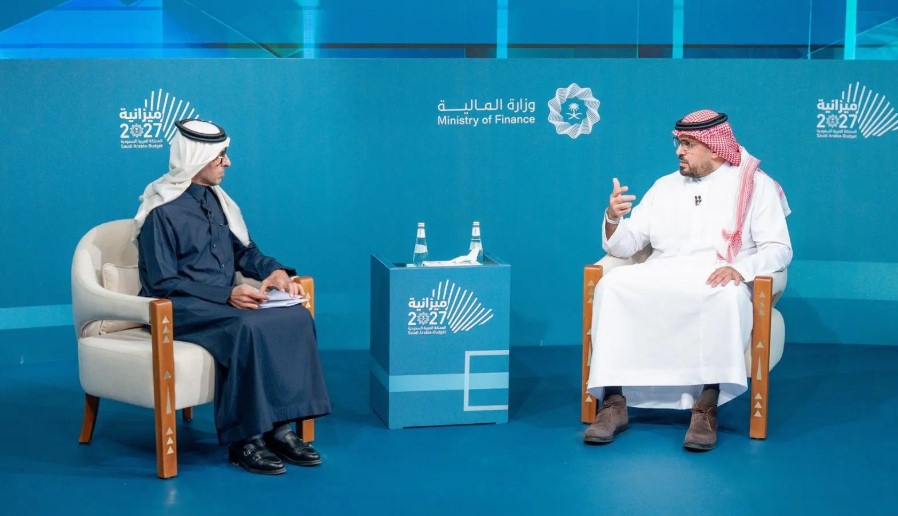
Go Deeper: Saudi Minister of Economy and Planning Faisal Alibrahim announced that the Kingdom has identified $1 trillion (SAR 3.75 trillion) in infrastructure investment opportunities over the coming eight to ten years, based on a comprehensive two-year market study.
The Catalyst: In remarks during the Saudi Budget Forum 2027, Alibrahim outlined four key pillars that enhance the Kingdom’s attractiveness for high-quality, long-term investments:
- Regional Stability: The Kingdom’s ongoing efforts to establish sustainable stability across the region.
- Long-Term Planning: Strategic, forward-looking national planning that provides policy predictability.
- Economic Integration and Strategic Partnerships: Strengthening cross-border economic integration and forging strategic partnerships with international counterparts.
- Strong Domestic Market and Purchasing Power: A robust local market driven by a population exceeding 35 million people and high-value growth in visitor and tourist arrivals.
The Impact: Saudi Arabia has ranked 13th globally in foreign direct investment (FDI) inflows. Meanwhile, gross fixed capital formation, which measures investments in buildings, factories, and infrastructure, continued to grow by 2.7% during the second quarter of 2026.
Vision 2030: The Strategic Blueprint
Between the Lines: The third phase of Vision 2030 focuses on maximizing economic impact, increasing private-sector participation (targeting 65% of GDP), and turning non-oil activities (which now account for a record 57.7% of GDP) into self-sustaining growth engines.
The Anchor: The National Investment Strategy (NIS) is the driving force behind Saudi Arabia’s investment ambitions. Launched in 2021, the NIS is a key enabler of Saudi Vision 2030. It targets key sectors such as green energy, technology, healthcare and biotechnology, and logistics.
Key Objectives:
- SAR 12.4 trillion: Targeted cumulative investment by 2030.
- SAR 2 trillion: Targeted annual investment volume by 2030 (as measured by Gross Fixed Capital Formation (GFCF)).
- 30%: Annual investment contribution to GDP by 2030.
- SAR 388 billion: Annual Foreign Direct Investment (FDI) by 2030.
- SAR 1.65 trillion: Overall domestic component of GFCF by 2030.
The Bottom Line: Backed by the 2027 State Budget’s fiscal clarity, over SAR 1.3 trillion in proven annual investment momentum, and a $1 trillion infrastructure pipeline, Saudi Arabia is delivering unmatched scale and long-term certainty for global and domestic investors as Vision 2030 enters its third phase.