

King Salman Orders Wage Support for Saudi Workers: What Employers Need to Know
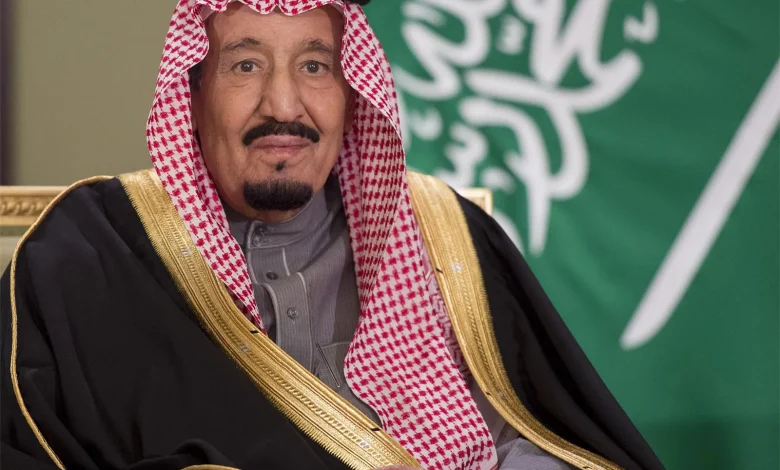
Driving the news: Saudi Arabia will cover the wages of Saudi employees at eligible private firms for up to three months. King Salman issued a royal order on Tuesday, after Crown Prince and Prime Minister Mohammed bin Salman submitted the proposal, the Saudi Press Agency (SPA) reported.
What the Royal Order Changes
The order exempts Saudi workers at eligible firms from Articles 8, 10 and 14 of the SANED unemployment insurance law. It also waives Articles 45 and 46 of the Social Insurance Law. As a result, the General Organization for Social Insurance (GOSI) can pay compensation directly to workers.
Meanwhile, a ministerial committee will decide which sectors and firms qualify. It includes the finance, economy and planning, and human resources ministers, plus the GOSI governor. The relevant sector’s minister joins when needed. GOSI confirmed it has begun implementation procedures in coordination with the committee.
Why it matters: The goal is simple: keep Saudis employed while firms absorb economic pressure. The order ties the move to job security amid regional and global economic shifts. It also frames the step as part of the Kingdom’s long-standing approach of putting citizens’ employment stability first.
Finance Minister Mohammed Al-Jadaan, who chairs GOSI’s board, praised the decision. He said it reflects “proactive and flexible policies” that strengthen labor-market stability. Furthermore, he announced the support during the 2027 budget briefing and noted that the economy will likely shrink 2.1% this year because oil output fell sharply.
Economic Backdrop Today
Unemployment among Saudi citizens stood at 6.5% in the second quarter, according to Asharq Al-Awsat. Therefore, protecting existing jobs carries real weight.
The decision also fits a wider response. Al-Jadaan said the Kingdom has carried out about 200 policy and regulatory interventions this year. They include financing relief for borrowers, liquidity support for firms and a new marine insurance pool.
By the numbers:
- Payout rate: 60% of the average wage subject to insurance contributions.
- Monthly cap: SAR 9,000 ($2,400) per worker.
- Maximum duration: three months, or up to SAR 27,000 ($7,200) per worker.
- Example one: a SAR 6,000 ($1,600) wage earns SAR 3,600 ($960) monthly.
- Example two: a SAR 12,000 ($3,200) wage earns SAR 7,200 ($1,920) monthly.
- Cap threshold: a SAR 20,000 ($5,333) wage reaches the SAR 9,000 ceiling.
- 2020 precedent: SAR 9 billion ($2.4 billion) reached more than 1.2 million workers.
- 2026 economic outlook: a 2.1% contraction.
- 2027 budget deficit: SAR 191 billion ($50.9 billion).
Who Qualifies
Workers must meet four tests. They must hold Saudi nationality, join SANED before July 1, 2026, and remain below retirement age. Their employer must also pay wages and insurance contributions on time.
GOSI pays the money monthly and directly to the worker. The payment replaces salary, so it does not stack on top of it. However, employers must keep paying staff the program does not cover. They must also resume full pay once compensation ends. Firms apply through GOSI’s Taminaty Business platform.
Go deeper: The exemptions clear regular SANED hurdles. Launched in 2014, SANED normally pays only workers who lost jobs through no fault of their own. Article 8 requires applicants to be under 60, able to work, actively job hunting and committed to training. Article 14 demands a contribution history, such as 12 months of work within the previous 36 months for a first claim.
By waiving these rules, the royal order lets workers keep their jobs while the state shares the wage bill. Consequently, employers avoid layoffs. Workers do not have to lose their jobs first, and firms sidestep the cost of rehiring and retraining later.
The program echoes April 2020, when the government covered 60% of Saudi wages through SANED during the pandemic. That scheme started with three months and later stretched to nine.
Experts See a Safety Net
Badr Al-Anazi, a board member of the Saudi Society for Human Resources, said the impact extends beyond three months. “Preserving establishments means preserving jobs,” he told Asharq Al-Awsat, “and continuing jobs means stable household income.”
Al-Jadaan added that the initiative shows how insurance tools can sustain businesses and protect human capital. Likewise, HR specialist Ali Al Eid called the initiative “a safety net,” not merely temporary financial aid. He added that it gives private firms room to continue their expansion plans.
What’s next: The ministerial committee holds the key details. It will name the qualifying sectors, set eligibility criteria and define the required insurance service period. Meanwhile, GOSI has started implementation steps and promises guidance through its official channels. Al-Jadaan said GOSI will work closely with the committee and other agencies, so employers should expect further detail soon. Employers should therefore watch GOSI announcements and check their Taminaty Business accounts. Workers, in turn, should confirm their SANED enrolment dates. Doing so will prevent avoidable delays later.