
Arabic Goes Digital: Saudi Initiative Unifies the Language’s Scientific Vocabulary
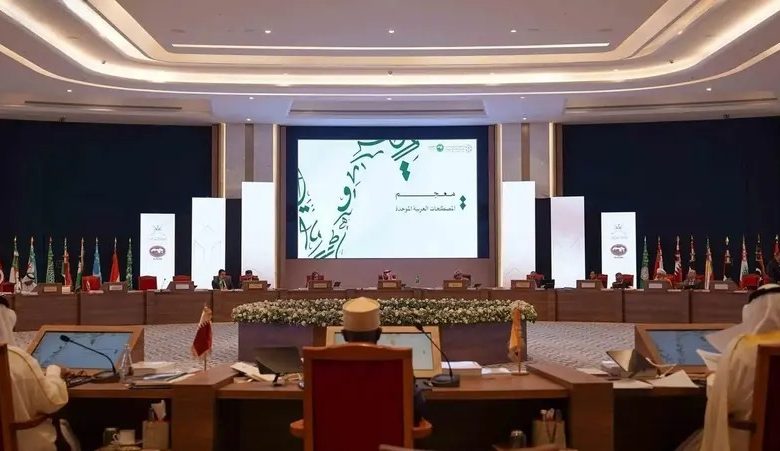
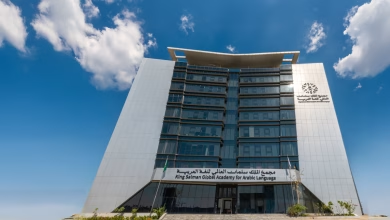
Driving the news: The King Salman Global Academy for Arabic Language and the Arab League Educational, Cultural and Scientific Organization (ALECSO) launched the Unified Arabic Terminology Dictionary platform. The launch took place in Muscat, Oman, during the 28th regular session of ALECSO’s General Conference.
Why it matters: Arabic specialists have long worked with scattered dictionaries. Those dictionaries came in different formats and resisted digital search. The new platform places them under one roof and gives researchers, translators and software developers a shared reference.
A Single Window for Arabic Dictionaries
The platform gathers specialized dictionaries into one digital reference. Previously, separate publications and structures limited how far users could search them. They also blocked links to technical applications.
Engineers rebuilt the dictionary data to meet international standards. As a result, users can now search every topic instantly through one interface. Developers also built programming interfaces that connect the platform to outside systems and apps.
The conference then adopted the platform as a shared Arab reference. It draws on the scientific work of language academies, universities and specialist institutions. The Saudi academy will develop the technical infrastructure, manage the platform and keep it updated. Meanwhile, ALECSO will coordinate on scientific and lexical content.
By the numbers:
- 421,196 entries span science, technology and the humanities.
- 28th regular session of ALECSO’s General Conference hosted the launch.
- 2 Saudi-proposed projects won approval: the dictionary platform and the language policy system.
- 4 years is the period the academy’s periodic language policy reports will cover.
- 60+ ALECSO dictionaries fed the early groundwork. More than 60 dictionaries, holding over a million terms, were slated for unification into one platform.
- 4,800+ terms fill the academy’s legal dictionary, a separate Saudi project that shows the academy’s wider push. That dictionary documents terms used in regulations and legislative documents.
Tracking Language Policy Across the Arab World
The conference also adopted a second Saudi-proposed project, the “Language Policy System in Arab Countries.” It collects data, studies and reports that track current language policies and analyze their effects. Consequently, researchers, decision-makers and language planners gain a stronger evidence base.
In addition, the conference tasked the King Salman academy with a major duty. Working with ALECSO, it will publish a periodic reference report on language policy over the next four years. The project will also build an Arab platform that records language decisions, regulations, circulars and directives. Researchers and specialists will then be able to organize and access those documents.
What they said: Abdullah bin Saleh Al-Washmi, the academy’s secretary-general, framed the effort as shared work. “Arabic is everyone’s responsibility, and we are stronger with our partners.” He added that the partnership with ALECSO had produced joint projects in language planning, dictionary development and computational linguistics.
Saudi Arabia’s Expanding Role
The conference praised Saudi Arabia’s efforts to serve Arabic and strengthen its regional and international presence. Delegates specifically welcomed the academy’s contributions to language policies, indicators and standards. They also cited its databases, corpora, dictionaries and machine-processing tools.
This launch fits a longer pattern. The Kingdom’s Council of Ministers adopted a National Policy for the Arabic Language, which Al-Washmi described as part of a broader Saudi effort. Furthermore, the academy has released several sector dictionaries. It issued the Riyadh Dictionary, which it billed as the richest contemporary Arabic dictionary. That dictionary serves native and non-native speakers, including scholars, authors, researchers and students. It also produced a media glossary with the Ministry of Media. That glossary aims to standardize media terminology for researchers, journalists and media professionals. Likewise, it worked with the Digital Government Authority on a digital government glossary. That glossary aims to avoid translation discrepancies and confusion.
Notably, the launch came while the Kingdom chaired ALECSO’s executive council. The council had discussed the Saudi proposals on the platform and the language policy system. The Kingdom has therefore moved from proposing these ideas to delivering them.
What’s next: First, the conference urged Arab linguistic, scientific and academic institutions to use both projects. Second, it asked them to enrich the content and update the data. Third, it called for deeper cooperation with the King Salman academy.
The bottom line: Arabic has long had the vocabulary. Now it has a shared, searchable and machine-ready home for it. Because the platform connects to external systems, translators, educators and technology firms can build on it directly. That should speed the spread of consistent Arabic in science and technology.