

Saudi Arabia is entering a new phase in the development of its housing finance market. The focus is shifting towards long-term capital, diversified funding sources and financing mechanisms that can support affordable housing and sustainable growth.
A Growing Drive for Homeownership
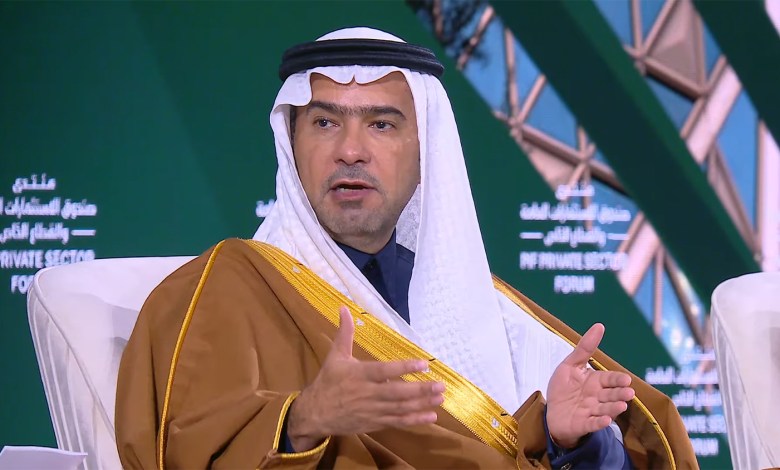
Speaking at the 2026 Ginnie Mae Global Investor Summit on Financing Affordable Housing in Virginia, United States, Saudi Minister of Municipalities and Housing Majed Al-Hogail pointed to the Kingdom’s young population as a key driver of housing demand.
Homeownership among Saudi families has grown from approximately 47% in 2016 to more than 66% by the end of 2025. More boldly, the Kingdom seeks to raise the rate to 70% by 2030.
Meanwhile, nearly one million families have leveraged from housing support programs, representing around 25% of Saudi households.
What Will Make Housing More Affordable?
Building a balanced housing market, however, requires more than expanding homeownership. Al-Hogail underscored the importance of increasing housing supply, promoting development efficiency and ensuring support reaches eligible households.
He also highlighted the need for diverse housing options at competitive prices, stronger landlord-tenant regulations and greater transparency in off-plan sales to protect the rights of all parties.
Moreover, rising global financing costs have put pressure on household purchasing power which necessitates more sustainable financing solutions.
In this context, Al-Hogail emphasized diversifying liquidity sources, improving risk distribution and expanding the scope of investor participation.
He also called for long-term financing products that offer households greater stability.
Saudi Arabia Opens Housing Finance to Global Investors
Saudi Arabia’s expanding real estate finance market is also unleashing new horizons for institutional investment.
The market is valued at roughly $260 billion, with refinancing operations totaling approximately $18.7 billion.
Meanwhile, the Saudi Real Estate Refinance Company (SRC) has exceeded $7.2 billion in issuances under its International Sukuk Programme on the London Stock Exchange. More than 300 investment institutions participated in its inaugural $2 billion issuance.
How Can Five Pillars Transform the Market?
The Kingdom’s housing finance framework is built around five pillars: government guarantees, financing guarantees, securitization, financing services and data standardization.
These mechanisms help reinforce liquidity, manage financing risks and attract more investors. They also improve disclosure standards and provide clearer information on financing portfolio performance.
The company’s ambitions extend beyond refinancing growth. SRC aims to refinance more than $40 billion by 2030 while opening further investment opportunities through fixed-income instruments and Saudi real estate-backed securities.
It is also seeking to strengthen cooperation in securitization, guarantees and data. Developing new financing products and technologies for managing credit risks forms another part of its strategy.
Why Is Saudi Housing Finance Drawing Investor Interest?
Remarkably, Saudi Arabia’s housing market offers investors access to a sector supported by sustained long-term demand.
Al-Hogail highlighted the continued development of financing, guarantee and service mechanisms within a clear regulatory framework.
The Saudi Central Bank and the Capital Market Authority oversee key aspects of this framework. He also called on investors to play effective roles in developing the market and creating opportunities that benefit households and support sustainable investment.
Related Topics:
Saudi Arabia to Unveil World’s First Coding Standards to Digitize Property Ownership: Al-Hogail
Saudi Arabia Showcases Housing Initiatives at Global Urban Forum in Baku
Al-Hogail Inaugurates Restatex Riyadh Real Estate 2024 Exhibition