Ceasefire Under Fire: Iran Hits US Sites in Bahrain, Kuwait After Tanker Attacks
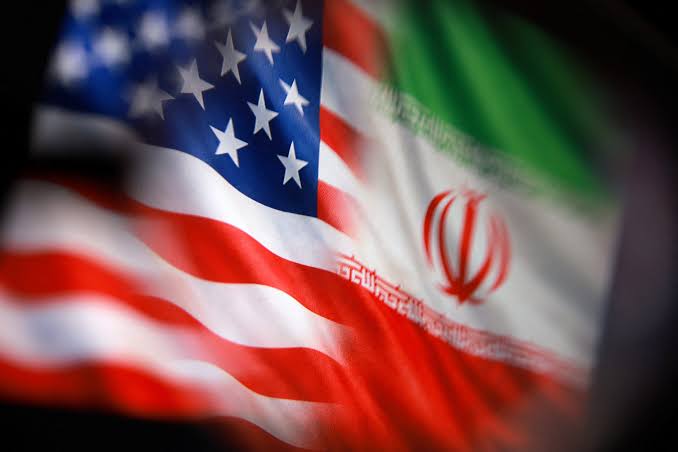
The big picture: The fragile US-Iran ceasefire is unraveling rapidly as Iran’s Islamic Revolutionary Guard Corps (IRGC) launched coordinated missile and drone attacks on Wednesday against major US military bases in Bahrain and Kuwait, hours after the US launched a fresh wave of strikes on Iran over attacks on tankers in the Strait of Hormuz.
Why it matters: The exchange threatens to break a ceasefire the US and Iran reached last month, and puts the region’s most sensitive oil chokepoint back in the crosshairs.
The Details
- The Guards said they hit Bahrain’s Fifth Naval District in Bandar Salman and Kuwait’s Ali Al Salem Air Base in a joint missile-and-drone operation. They also claimed to shoot down a US MQ-9 drone.
- Air raid sirens sounded in both countries. Kuwait’s army said air defenses engaged “hostile” missile and drone threats. The US military hadn’t commented as of Wednesday.
- Earlier, the US struck Iran and revoked its oil-sale license after attacks on three tankers in the strait. CENTCOM said the operation hit more than 60 Revolutionary Guard boats.
Additionally, Qatar blamed Iran for the tanker attacks, including a strike on its LNG carrier Al Rekayyat, which caught fire; the crew evacuated safely. A Saudi-flagged supertanker Wedyan was also damaged off Oman, with Iran denying responsibility, calling Qatar’s accusations “perplexing.”
What they said:
- “The unwarranted aggression by Iranian forces is a clear and dangerous violation of the ceasefire,” CENTCOM said.
- NATO chief Mark Rutte, speaking ahead of a summit in Ankara, backed the US response: “When you have a ceasefire and Iran is basically violating the ceasefire, I think it is totally crucial that the US forcefully react.”
- Iran’s top military command called the US strikes a “blatant act of aggression” and vowed a “crushing response.”
- Parliament Speaker Mohammad Baqer Qalibaf accused Washington of breaching the ceasefire through strikes, sanctions, and strait “violations.” His warning: “The era of bullying and extortion is over. We don’t fold.”
By the numbers: Iranian state media reported explosions on Kharg Island, Qeshm Island, and in Sirik and Bandar Abbas. A US official said strikes hit Iranian air defenses, coastal surveillance, missile systems, and drone sites. No civilian deaths were reported, though shrapnel injured several people near a Sirik pier.
Oil Markets React as Diplomacy Stalls
The standoff also carries economic weight. Washington moved Tuesday to withdraw a key concession allowing Iran to sell oil internationally, a decision that pushed oil prices up more than 3%. Under the original arrangement, the US Treasury had issued a license on 22 June permitting sales of Iranian crude and petrochemical products through 21 August; Iran now has until 17 July to wind down related transactions. Tehran’s foreign ministry called the move a breach of the framework agreement and warned Washington would bear responsibility for any consequences.
The ceasefire, which the US and Iran reached last month, had offered a 60-day window for negotiating a permanent settlement. However, indirect talks in Qatar ended last week without progress. US President Donald Trump has repeatedly warned he would resume strikes unless Iran agrees to a deal, while Iranian Foreign Minister Abbas Araqchi said final negotiations would “not commence if threats continue.”
Tehran now seeks to impose a permanent fee-collection system in the Strait of Hormuz, a shift that would undermine Washington’s long-standing role as the region’s security guarantor.
With both sides trading blame and military action, the coming days will test whether the ceasefire can survive at all.