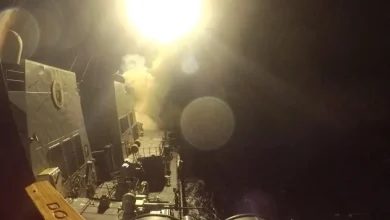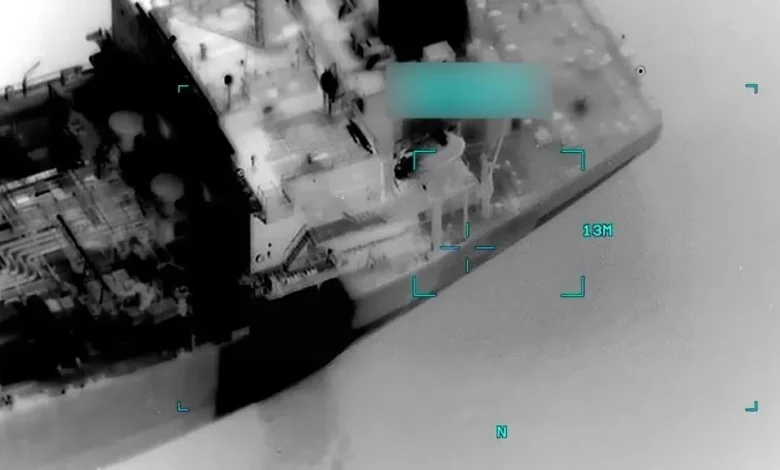
A US military strike in the Gulf of Oman killed three Indian sailors on Wednesday, escalating regional tensions and sparking a sharp diplomatic row. The US forces targeted the Palau-flagged MT Settebello after accusing the vessel of non-compliance.
Consequently, India’s Shipping Minister Sarbananda Sonowal termed the incident “deeply unfortunate” and confirmed plans to repatriate the bodies soon.
The tanker carried 24 Indian crew members at the time of the attack. Fortunately, rescue teams saved 21 mariners following the incident. US Central Command (CENTCOM) stated that an aircraft fired precision munitions into the ship’s engine room after the crew repeatedly ignored direct orders while attempting to transport Iranian oil.
Rising Diplomatic Friction
In response to the tragedy, the Indian government summoned the deputy chief of the US mission in New Delhi. Furthermore, New Delhi issued a stern warning regarding maritime safety. Official statements emphasized that “targeting of commercial shipping and civilian infrastructure in the region must end.”
This attack marks the second US strike on a vessel with an Indian crew on Monday, after American forces disabled another Palau-flagged tanker, The Marivex. In that instance, the Omani military safely rescued all 24 crewmen.
Meanwhile, maritime unions expressed deep outrage over the latest casualties. Manoj Yadav, general secretary of the Forward Seamen’s Union of India, told reporters he “refused to believe” that Washington lacked information about the crew’s nationality. He added, “If the ships failed to heed their instructions, detaining them was a viable alternative.”
Broader Regional Conflict
These naval clashes stem from a wider regional conflict, with the US military initiating a strict naval blockade on 13 April after Tehran closed the strategic Strait of Hormuz, which handles roughly 20% of global oil and gas supplies. Since then, CENTCOM forces have disabled eight vessels and redirected 134 others.
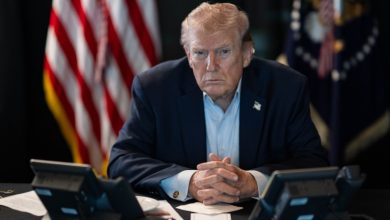
Meanwhile, US-Iran tensions continue to escalate, as both countries traded strikes for a second consecutive day on Wednesday, placing further strain on a fragile ceasefire reached in April. President Donald Trump threatened to hit Iran “hard,” accusing Tehran of prolonging peace negotiations and playing Americans “for suckers.”
The conflict began on 28 February, when the US and Israel launched strikes on Iran that killed the country’s supreme leader, as Iran retaliated with attacks on Israel and US-allied Gulf states. Lebanon entered the fighting in March as hostilities spread rapidly across the region.