
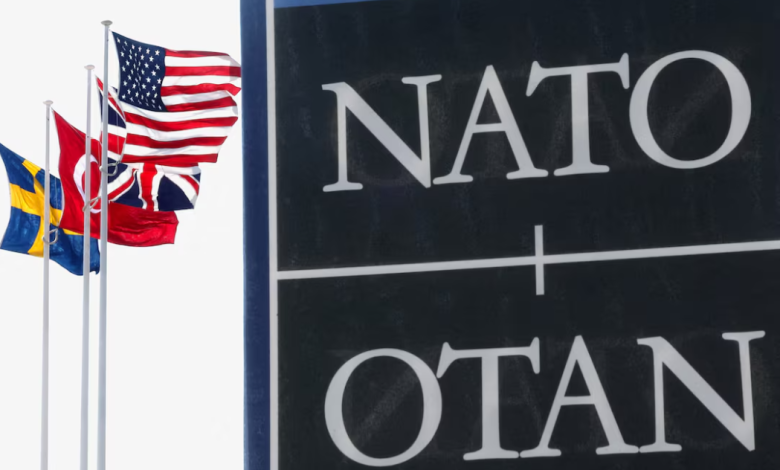
The United States and its NATO allies will launch their annual BALTOPS naval exercises in the Baltic Sea this week, as conflicts in other regions have drawn ships away, resulting in a scaled-back operation. The exercise will still send a clear message of unity and strength to Russia, according to a senior German military official.
This year’s drills will bring together 20 vessels and 6,000 personnel from 15 nations, as the operational footprint is roughly half the size of last year’s exercise. Officials emphasize that the smaller size reflects current operational realities rather than a waning Western commitment. Instead, navies maintain heavy operations elsewhere, including the Arctic and the Middle East’s strategic Strait of Hormuz.
Strategic Focus on Sea Routes
The US-led drills run from 4 to 20 June, with Washington providing the flagship USS Mount Whitney, despite ongoing political debates regarding US commitments to the alliance.
German Rear Admiral Stephan Haisch noted that the timing amplifies the political relevance of the drills. “In this period, it is a sign of the alliance’s strength, that a major exercise is being conducted, under US leadership, with broad NATO participation,” Haisch said. “It is a sign of the alliance’s unity and strength, and I am speaking of all allies here.”
Initially, forces will drill in the western Baltic. After that, they will move eastward to practice resupplying and protecting free sea routes around the Swedish island of Gotland. Allies view these open sea routes as critical for supplying the Baltic states during a crisis.
“Free sea lines of communication,that is central,” Haisch stated, highlighting the need to protect military logistics and commercial shipping.
Regarding past regional friction, Haisch expressed confidence that Moscow would avoid escalating to a major conflict. “I would assume Russia to stay below the Article 5 threshold if they seek to test us,” he concluded.