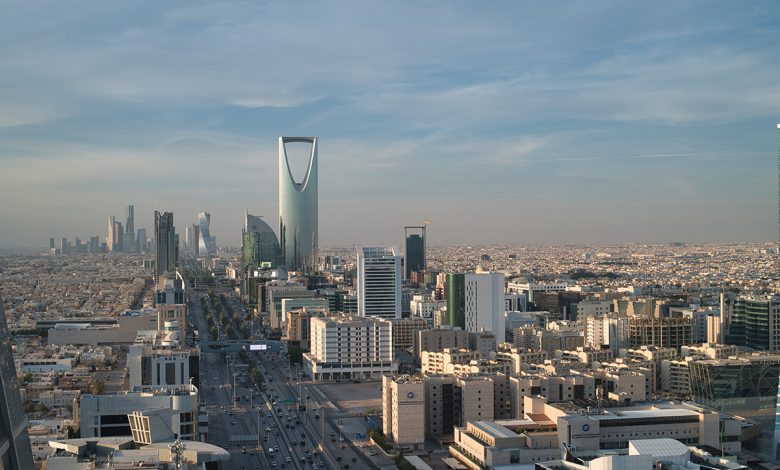
Saudi Arabia’s Vision 2030 delivered transformative economic results in 2025 as the Kingdom’s diversification strategy bore fruit, with the non-oil economy now constituting 55% of GDP, while private sector contribution reached 51%, according to the Saudi Vision 2030 Annual Report. Small and medium enterprises, expanding at an annual rate of 1.8%, contributed 22.9% to national output.
Economic Diversification Gains Strong Momentum
Meanwhile, the Kingdom’s growth model diversified rapidly through regulatory reform and private sector expansion. Non-oil GDP grew by 4.9% in 2025, signaling a successful structural transformation. Commercial activity expanded significantly, with total active registrations surpassing 1.8 million, including 259,000 new businesses and 13,103 foreign entries.
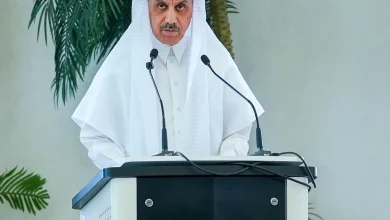
Entrepreneurship indicators strengthened considerably across all sectors. Financial market listings reached 39, while franchise registrations climbed to 2,637. As a result, Saudi Arabia advanced to 23rd globally in entrepreneurial rankings, up from 83rd in 2021. The Kafalah program issued SAR93bn ($24.8bn) in guarantees, enabling 27,000 enterprises to secure SAR130.6bn ($34.8bn) in financing. Governor of the National Development Fund Abdulaziz Al-Arifi stated that the ecosystem directs capital toward high-impact projects, creating quality employment opportunities.
Global Competitiveness and Digital Transformation Advance
Saudi Arabia secured 17th position in the IMD World Competitiveness Yearbook after implementing over 1,000 reforms. Furthermore, AI registrations rose 34% to 19,042, reflecting a growing digital economy. The Saudi Business Centre delivered 10 million services, converting 666 licenses to instant status while offering 189 electronic services. The unified electronic code service also issued 500,000+ codes to businesses.
Consequently, unemployment declined to 7.2% from 12.3% in 2016 as 222,000+ citizens secured employment through Human Resources Development Fund programs. Non-oil exports hit a record SAR622.87bn ($166.1bn), and the Export-Import Bank provided SAR116bn ($30.9bn) in facilities. Venture capital investment surged 25-fold since 2018, underscoring rising investor confidence in the Kingdom’s startup ecosystem. This progress highlights a successful shift toward a knowledge-based economy.