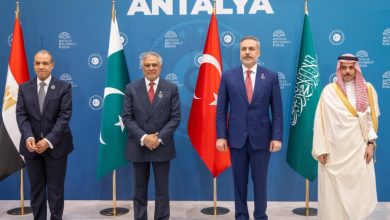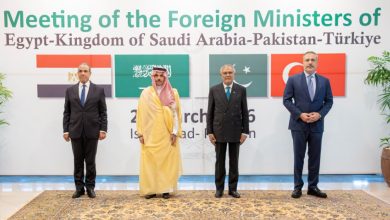
A group of regional mediators, including Pakistan, Egypt and Türkiye, are engaged in discussions with the US and Iran for a potential 45-day ceasefire to prevent further escalation.
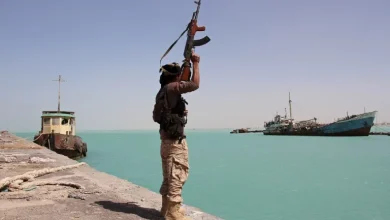
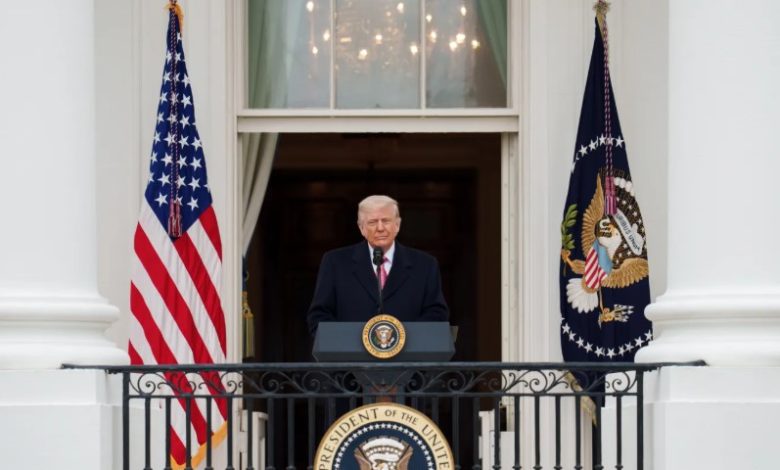
This diplomatic push comes as the deadline set by US President Donald Trump for Iran to sign a deal and reopen the Strait of Hormuz ends at 8 pm ET Tuesday (1 am GMT Wednesday).
Final Push
Mediators from Pakistan, Egypt and Türkiye are leading negotiations between the US and Iran, discussing the terms of a potential 45-day ceasefire that could bring a permanent end to the ongoing conflict, Axios reported citing four US, Israeli and regional sources with knowledge of the talks.
Negotiations are also happening through text messages between Trump’s Special Envoy Steve Witkoff and Iranian Foreign Minister Abbas Araghchi, the sources added.
However, the sources noted that the chances for reaching a partial deal over the next 48 hours are “slim.”
Two-Phased Deal
Discussions are focused on a two-phased deal. The first phase involves a 45-day truce during which a permanent end to the war will be negotiated. It could be extended if talks required more time, according to one source.
Meanwhile, the second phase will discuss an agreement to end the war. Mediators see that addressing the issues of the Strait of Hormuz reopening and Iranian highly-enriched uranium stockpile could only happen as an outcome of a final deal, the sources said.
Reuters confirmed, citing a source with knowledge on the proposal, that the US and Iran received a two-phased plan drafted by Pakistan to end hostilities.
Dubbed “Islamabad Accord,” the plan starts with an immediate ceasefire and the reopening of Hormuz, followed by a 15–20 day period to negotiate a permanent settlement. It will also establish a regional framework for the strait, with final in-person talks in Islamabad.
“All elements need to be agreed today,” the source told Reuters, adding that Pakistan’s army chief, Field Marshal Asim Munir, has been in contact “all night long” with US Vice President JD Vance, Witkoff and Araghchi.
Restoring Trust
According to Axios sources, mediators are exploring a series of confidence-building measures, including a partial step from Iran regarding the reopening of the Strait of Hormuz and its highly-enriched uranium stockpile during the first phase of the deal.
Simultaneously, mediators are pressing the Trump administration for reciprocal steps to assure Iran that the ceasefire will not be temporary and that the war will not resume.
Mediators are also working on other US confidence-building measures to address some of Tehran’s demands. The Trump administration has presented several proposals over the past day, but Iran had not accepted any, according to a US official.
Iranian officials have expressed concern over being caught in a “Gaza or Lebanon situation,” where a ceasefire is signed but the US or Israel resumes strikes at will.
Reuters reported that the final agreement will likely include Iranian commitments not to pursue nuclear weapons in exchange for sanctions relief and the release of frozen assets.
Tuesday Ultimatum
Hours before his 10-day deadline for Iran to reopen the Strait of Hormuz was set to expire on Monday evening, Trump extended his deadline by 20 hours until Tuesday 8 pm ET.
The US President has reiterated his threat to unleash “hell” upon Iran if it did not open the waterway. “Tuesday will be Power Plant Day, and Bridge Day, all wrapped up in one, in Iran. There will be nothing like it!!!” Trump posted on Truth Social, warning Iranians that they “will be living in Hell.”
However, he expressed cautious optimism about reaching a deal. In remarks to Fox News on Sunday, Trump confirmed negotiations with Iran were taking place, suggesting that they could reach a deal by Monday.
He echoed this to Axios, stating that “there is a good chance” for reaching a deal before the deadline. “But if they don’t make a deal, I am blowing up everything over there,” he warned.
Trump has repeatedly threatened to target Iran’s power plants and energy facilities, invoking reciprocal threats from Tehran, which warned of a “devastating” retaliation that would involve attacks against infrastructure in Israel and across the region.