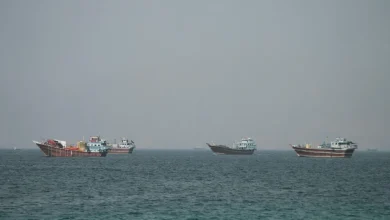
A US special operations team conducted a significant raid in the Indian Ocean last month, intercepting a ship headed to Iran from China, the Wall Street Journal reported, citing US officials confirming that the operation aimed to disrupt Iran’s military procurement efforts. The raid occurred several hundred miles off the coast of Sri Lanka, where operatives boarded the vessel and seized military-related articles before allowing it to continue its journey.
Moreover, the cargo contained components potentially useful for Iran’s conventional weapons, with one official stating that they destroyed the shipment. These dual-use items have both civilian and military applications, raising concerns about their potential impact on Iran’s missile program. US intelligence indicated that the cargo was destined for Iranian companies specializing in procuring missile components.
Consequently, this operation marks a rare instance of the US military intercepting cargo with Chinese origins en route to Iran. It reflects a broader Pentagon strategy to counter Tehran’s military capabilities, especially following significant damage inflicted on Iran’s nuclear and missile facilities during a recent conflict involving Israel and the US.
Rising Tensions
The raid occurred just weeks before the US seized a sanctioned oil tanker off the coast of Venezuela, which had been transporting oil to Iran. This series of actions underscores the aggressive maritime tactics employed by the Trump administration against adversaries, a strategy not frequently seen in recent years. Nonetheless, Iranian officials have expressed concerns about rebuilding their ballistic missile arsenal amid fears of renewed confrontations with Israel. Negotiations regarding Iran’s disputed nuclear program remain stalled, further complicating the geopolitical landscape.
However, the UN recently reimposed an international ban on arms trades with Iran, heightening scrutiny on military-related technologies bound for the country. In recent years, the US has seized multiple shipments of weapons and oil linked to Iran, including Iranian-made missile components intended for Houthi militants in Yemen.
Chinese shipments of products suspected of supporting Iran’s missile program have drawn increased attention from US lawmakers. In a letter to US officials, two Democratic congressmen urged investigations into a large shipment of chemicals from China to Iran, which are main components in missile propellants. They noted, “Beijing’s latest shipments indicate that US actions have failed to deter it from supporting Tehran’s procurement of offensive military capabilities.”