The UAE emerged as the top destination for Saudi Arabia’s non-oil exports in September. The Kingdom’s exports to the Emirates totaled SR6.54 billion ($1.74 billion). Mechanical and electrical equipment accounted for SR3.10 billion, while transport parts and chemical products added SR1.64 billion and SR375.8 million, respectively.
India ranked second among Saudi Arabia’s non-oil export markets, with shipments totaling SR2.35 billion. Chemical products valued at SR1.21 billion dominated exports to India, followed by plastic goods worth SR438.4 million and jewelry at SR345.5 million.
China, Other Markets See Significant Exports
China secured the third spot, importing Saudi non-oil goods worth SR1.73 billion. Singapore followed with SR1.39 billion, while Turkiye, Belgium, and Egypt received SR973.4 million, SR964.7 million, and SR862.8 million, respectively.
Exports Support Vision 2030 Goals
Bolstering non-oil exports aligns with Vision 2030, which aims to diversify Saudi Arabia’s economy. The Kingdom is steadily reducing its dependence on crude oil revenues. In September, Saudi Arabia’s total non-oil exports rose 22.8 percent year-on-year, reaching SR25.95 billion.
GASTAT reported Saudi Arabia’s total merchandise exports for September at SR88.56 billion, marking a 14.9 percent decline from last year. Oil exports fell 24.5 percent, decreasing the share of oil in total exports to 70.7 percent, down from 79.7 percent in September 2023.
Imports Show Steady Growth
Saudi imports surged by 15 percent year-on-year in September, reaching SR69.8 billion. China was the top import source, supplying goods worth SR17.99 billion. The US and Germany followed, contributing SR5.39 billion and SR3.45 billion, respectively.
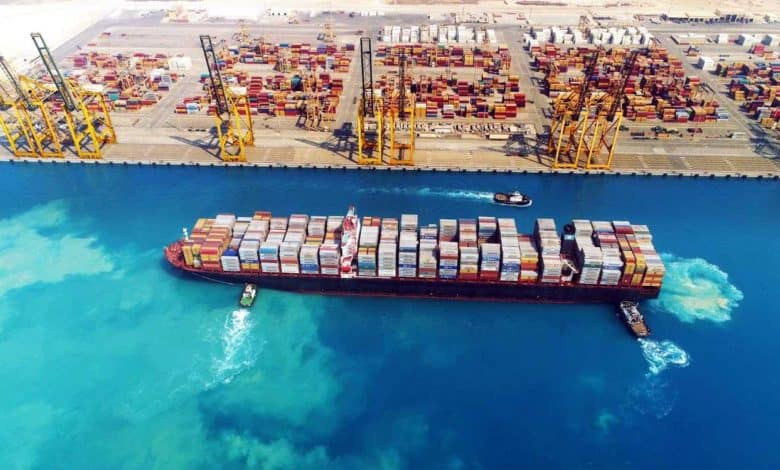
Sea ports handled most non-oil exports, with King Fahad Industrial Port in Jubail leading at SR3.54 billion. King Khalid International Airport facilitated SR2.33 billion in exports. On the import side, King Abdulaziz Port in Dammam managed shipments worth SR19.65 billion, while Jeddah Islamic Port processed SR12.54 billion.
Saudi Arabia continues to strengthen its non-oil trade sector, reflecting its economic diversification strategy and robust global trade relationships.