
Taif’s Highlands, Heritage Routes Position City as Leading Center for Mountain Hiking
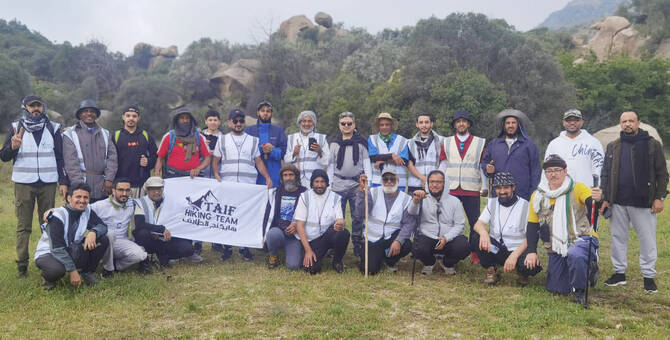
Nestled among towering mountain peaks, green valleys and cool highland breezes, Taif is strengthening its position as one of Saudi Arabia’s leading outdoor tourism destinations. Mountain hiking is driving rapid growth in its ecotourism sector.
The shift is fueled by growing public interest in outdoor activities. Efforts to develop historic trails and rehabilitate wadis are attracting thousands of adventure seekers and nature enthusiasts from across the Kingdom and GCC countries.
Taif’s appeal lies not only in its mountain landscapes, but also rests on its mild climate, mountain villages, terraced farms, heritage markets and ancient routes that preserve the memory of the region’s commercial and religious movements. Together, these attractions offer visitors an experience that goes beyond recreation. They combine physical activity with history, local culture and the exploration of rural products.
Sultan Al-Thaqafi, captain of the Taif Hiking Club, told Arab News that organized outdoor activities had transformed the way visitors interact with the region’s landscape and cultural history. “Hiking has evolved beyond a sport into an immersive experience that blends physical fitness, tourism and heritage exploration,” Al-Thaqafi said.

Reviving Historic Trails
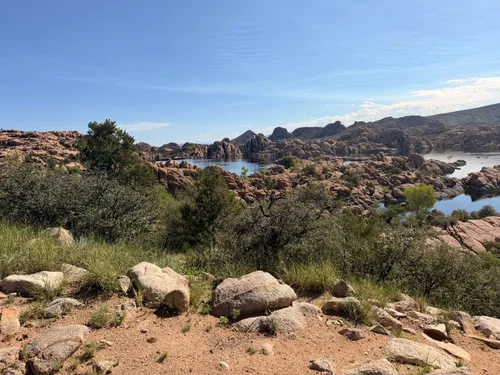
Taif has a diverse network of trails catering to different levels of fitness and experience, from beginners and families to advanced hikers. Among the most prominent is Wadi Al-Makhada, known for its rugged rocky terrain, mountain vegetation and scenic landscapes that offer visitors a balance of challenge and relaxation.
The trail has undergone rehabilitation work carried out by the Saudi Hiking Trails Association to improve the visitor experience and enhance safety while preserving the site’s natural features. Developing trails of this kind helps transform natural sites into organized tourism destinations without separating them from their local environment or historic character.
Another major attraction is Darb Al-Jammala, or the Camel Trail, an ancient trade and pilgrimage route that was restored after historically serving caravans traveling between the highlands of Taif and Makkah. The route gives visitors an opportunity to retrace part of the historic movement between the two cities by walking along a path once associated with caravans, trade and pilgrimage.

The importance of Darb Al-Jammala extends beyond its recreational value. It illustrates how historic routes can be transformed into cultural and tourism products. Walking along the trail offers more than views of the landscape; it provides insight into earlier journeys, traditional forms of transportation and the connections that developed between mountain communities and the holy cities.
In the high-altitude Al-Shafa area, development teams are preparing additional trails for beginners, families and experienced hikers. Al-Shafa is known for its distinctive environmental features and ancient mountain paths, which pass through villages, stone buildings, terraced farms and historic roads, creating an experience that combines nature and heritage.
Safety, Conservation
As interest in mountain hiking grows, maintaining a balance between tourism development and the protection of fragile highland ecosystems has become increasingly important. The Taif Hiking Club therefore incorporates “Leave No Trace” principles into its expeditions. These include reducing waste, avoiding damage to vegetation, respecting natural trails and preventing behavior that could harm wildlife or alter the character of the sites.
The club also organizes awareness workshops led by certified environmental trainers to educate participants about the importance of preserving mountain areas and respecting the environment. Such efforts have become particularly important as the activity attracts a wider audience, including families and first-time hikers.

“Safety and conservation remain our top priorities,” Al-Thaqafi said, advising beginners to hike only with licensed groups, wear footwear designed for mountain trails, carry sufficient water and follow the instructions of expedition leaders.
Safety involves more than equipment. It also requires choosing a suitable trail, understanding its difficulty level, monitoring weather conditions, remaining with the group and adhering to designated rest areas. Proper organization and the use of specialist guides can reduce risks and help establish mountain hiking as a safe and sustainable activity.
Mountain Tourism, Local Economy
The growth of mountain tourism is already having a direct impact on communities across Taif Governorate. Demand is increasing for licensed tour guides, rural lodges, traditional restaurants and services linked to outdoor excursions and activities.
Small-scale producers are also benefiting from the expanding tourism movement, particularly those involved in producing Taif’s seasonal fruits, mountain honey, rosewater and aromatic oils extracted from Taif roses. Ecotourism allows these products to reach a wider audience, transforming them from local commodities into part of the visitor experience and a lasting memory of the region.
Rural investments in Al-Shafa, Al-Hada, valleys and farming areas are helping diversify Taif’s tourism offering by combining accommodation, nature, agricultural products and local heritage. These developments have created new economic opportunities and supported sustainable development in mountain communities.
The economic benefits extend beyond tourism facilities themselves. Transport, hospitality, restaurants, retail and handicrafts can all benefit from rising visitor numbers. Mountain trails can also serve as a foundation for small businesses offering equipment rentals, guided excursions, photography services, environmental interpretation and local products.
Investing in Sustainable Trails
Abdulkarim Al-Ibrahim, a hiking specialist, said that upgrading trail infrastructure in line with international safety and sustainability standards could attract further investment in green tourism.
This would include improving directional signs, grading trails according to difficulty, establishing safe rest areas and providing essential facilities without damaging the natural environment. It would also require strengthening rescue and emergency-response systems, preparing accurate trail maps and making information available through digital platforms and specialized applications.
Vision 2030
“Developing these trails while prioritizing environmental preservation directly aligns with Vision 2030 objectives,” Al-Ibrahim said. He added that “Taif’s remarkable geographical diversity and deep history give it all the ingredients to become the Kingdom’s ultimate mountain sports capital.”
This direction supports the objectives of Saudi Vision 2030 to diversify the tourism offering, develop natural destinations, encourage domestic tourism and increase the contribution of recreational and environmental activities to the economy. It can also help distribute tourism beyond major cities and direct more investment toward rural and mountainous areas.
Toward Integrated Destination
Taif is moving toward a tourism model that does not depend on a single season or activity. Instead, it combines mountain hiking with farm visits, heritage villages, local cuisine, rural accommodation and cultural events.
This diversity allows visitors to create a complete experience within a single trip. They may begin with a mountain trail in Al-Shafa or a hike through a natural valley, continue to a village or heritage market, and end the day by sampling local cuisine or exploring Taif’s rose, fruit and honey products.

This integrated approach strengthens Taif’s ability to attract a wide range of visitors, including families, athletes, photographers and travelers seeking nature- and heritage-based experiences.
As trails continue to be rehabilitated and services developed, the central challenge will be ensuring that tourism growth keeps pace with environmental protection and the preservation of local identity. Taif’s success will not be measured solely by visitor numbers, but also by its ability to provide a safe and sustainable experience, involve local communities and protect the natural and historic resources that give the region its distinctive character.
With its peaks, valleys, historic trails and rural products, Taif has the ingredients to become a leading destination for mountain hiking and ecotourism in Saudi Arabia. Continued investment in infrastructure, training and environmental protection could establish the city as a national model for mountain tourism—one that brings together adventure, local economic development, heritage and sustainability.
Related Topics:
King Salman Royal Reserve Launches Naylat Camp in Hail
Mohammed Bin Salman Non-profit City’s OXAGON: Extension to a growing list of future Saudi cities
Kestrel Falcon: Most Common Breeding Species in King Salman Royal Reserve
Architecture Characters Map: 19 Styles Celebrate Saudi Architectural Heritage