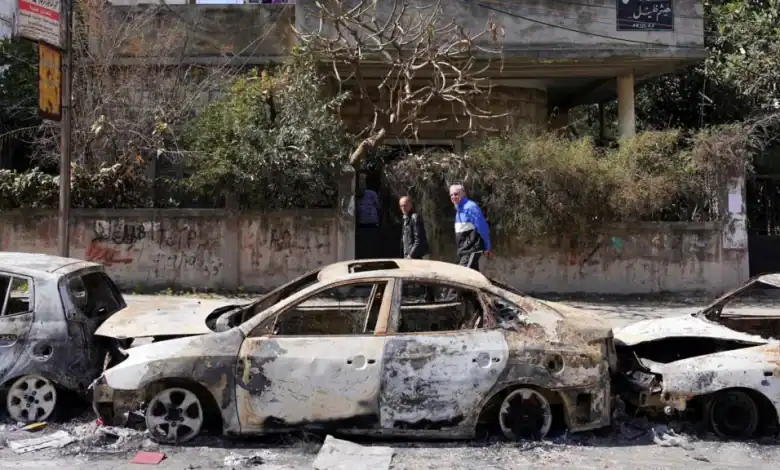
A recent UN report has accused Syria’s interim government forces and Assad loyalists of likely committing war crimes during March’s sectarian violence, which killed around 1,400 people, mainly civilians. The UN Syria Commission of Inquiry found no evidence that Damascus authorities ordered the attacks. However, it documented revenge killings, torture, abductions, and inhumane acts across Alawite-populated areas in Latakia, Tartus, Homs, and Hama.
Systematic Targeting of Civilians
Coastal violence in the Alawite heartland exposed divisions after Islamist-led rebels ousted ex-President Bashar al-Assad in December, beginning when former regime loyalists ambushed security forces, sparking clashes between largely Sunni government forces and mostly Alawite Assad loyalists.
Authorities sent reinforcements, joined by thousands of fighters, turning the operation into sectarian revenge killings. After decades of Assad brutality in mainly Sunni Syria, many associate Alawites, 10% of the population, with the old regime.
Furthermore, the commission urged the government to expand accountability efforts. “The scale and brutality of the violence documented in our report is deeply disturbing,” said Paulo Sergio Pinheiro, chair of the UN Syria Commission of Inquiry. He called on interim authorities to pursue accountability for all perpetrators, regardless of affiliation or rank. While dozens of alleged perpetrators have been arrested, the violence’s scale warrants expanding these efforts.
The report warned of continuing retaliatory attacks amidst heightened fear, urging the interim government to address them urgently. It documented gross human rights violations in 16 Alawite-populated locations across Latakia, Tartus, Homs, and Hama governorates in early March.
Sectarian Violence and Its Aftermath
Perpetrators went door-to-door, asking if civilians were Alawite before taking men and boys away to execute. Most victims were Alawite men aged 20-50, but women and children as young as one were also killed in house raids.
Armed individuals filmed themselves committing serious human rights violations, including severe beatings, executions, and walking alongside dead bodies. Fearful of reprisal, families kept their loved ones’ bodies at home for days or left them in streets for later mass burials, with hospitals overwhelmed as corpses piled up.
Thousands fled to neighboring Lebanon or a Russian airbase for safety, with the report stating that many survivors and Alawites have since relocated within Syria or sought refuge abroad. The report concluded that consistent patterns of targeted violence against civilians indicate these acts were not random or isolated.
The commission conducted over 200 interviews with witnesses and victims and accessed coastal areas and affected communities. After 14 years of civil war and documented human rights abuses, rebels overthrew Assad in December, forming an interim government, led by former rebel Ahmed al-Sharaa.
The report identified the post-Assad security vacuum and online disinformation and hate speech about Alawites as contributors to retributive attacks. As clashes escalated between former and pro-government factions, foreign fighters joined government forces mobilized to coastal regions.
Government Response and Recommendations
The government instructed civilians not to take up arms and warned fighters against harming civilians, establishing curfews. In Tartus, checkpoints prevented fighters from entering, sparing the city from violence seen elsewhere.
Additionally, a July government inquiry identified 298 alleged perpetrators within military factions and 265 linked to former government fighters. In June, officials reported 42 arrests for alleged abuses and established a complaints office for security and police misconduct cases.
The commission recommended strengthening the court system to ensure justice, providing reparations for survivors, and building community trust, among other measures.
Sectarian violence has continued elsewhere in Syria since March, as hundreds died in Suweida clashes last month. Bedouin and Druze fighters and the Syrian army face accusations of killing civilians and extrajudicial killings.
The government acknowledged reports of “shocking violations” by individuals in military fatigues and told the BBC it would fully investigate all atrocity allegations.