

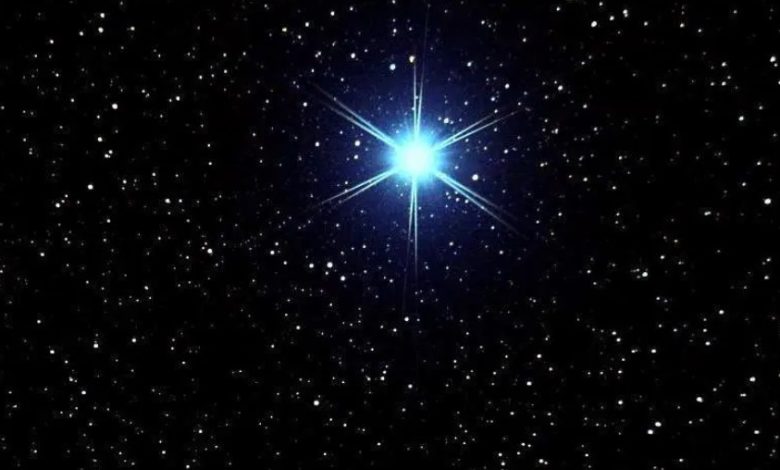
Suhail is one of the most cherished stars for the people of the Arabian Peninsula, as they consider it their calendar and compass.
Arabs anticipate and monitor Suhail star to mark the end of extremely hot summer days and the beginning of the rainy season and cooler days. They use stars to determine the time for agriculture, hunting, grazing, travel on land and sea, in addition to seasons.
The Suhail star can be observed with naked eyes in the southern half of the Arabian Peninsula on August 24 each year, according to the Saudi Press Agency (SPA).
It appears in Jazan on August 7, and then in the central part of the Kingdom on August 24. After that, it moves to Saudi Arabia’s northern part on September 8.
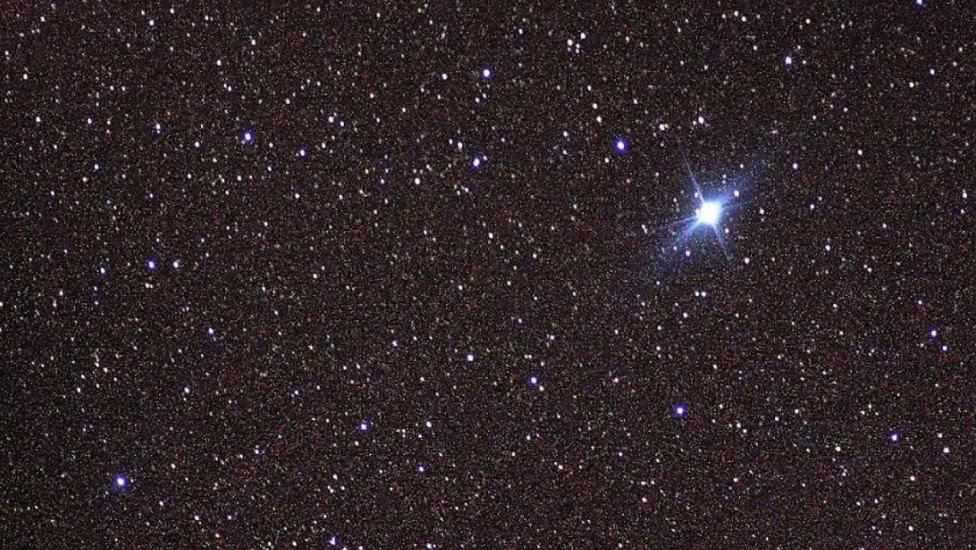
The Suhail star stays in the Saudi skies for 52 days and goes through 4 phases, each lasts for 13 days. During the first phase, the weather becomes pleasant at night but remains hot during daytime.
The second phase marks the beginning of fall, when the weather becomes cooler at night and temperate during daytime. In the third phase, nights become colder, whereas the fourth phase marks the end of the hot days.
The rise of the Suhail star coincides with a decrease in the angle at which the sun’s rays hit the Earth’s surface. This gradually reduces daytime and makes nights cooler. The sun starts shifting southwards after being perpendicular during the peak of summer. This is why Arabs anticipate the rising of Suhail.